10 Movies Depicting the Lives of Ordinary Women in Historical Europe
One of the reasons I love watching movies is that, much like books, they serve as windows into other times and different places. Productions from around the world offer valuable insights into the history and culture of their respective countries. And just like literature, cinema can help us understand the present by showing us the past.
One of the reasons I love watching movies is that, much like books, they serve as windows into other times and different places. Productions from around the world offer valuable insights into the history and culture of their respective countries. And just like literature, cinema can help us understand the present by showing us the past.
I put together this list of European films featuring women as the main protagonists because of my interest in the lives of ordinary people throughout history. As I looked through the movies I’ve seen, I realized there aren’t many that center on ordinary women, and even fewer that are set before the 19th century. That’s a shame. The experiences of marginalized people navigating societal change throughout history should be thoroughly explored.
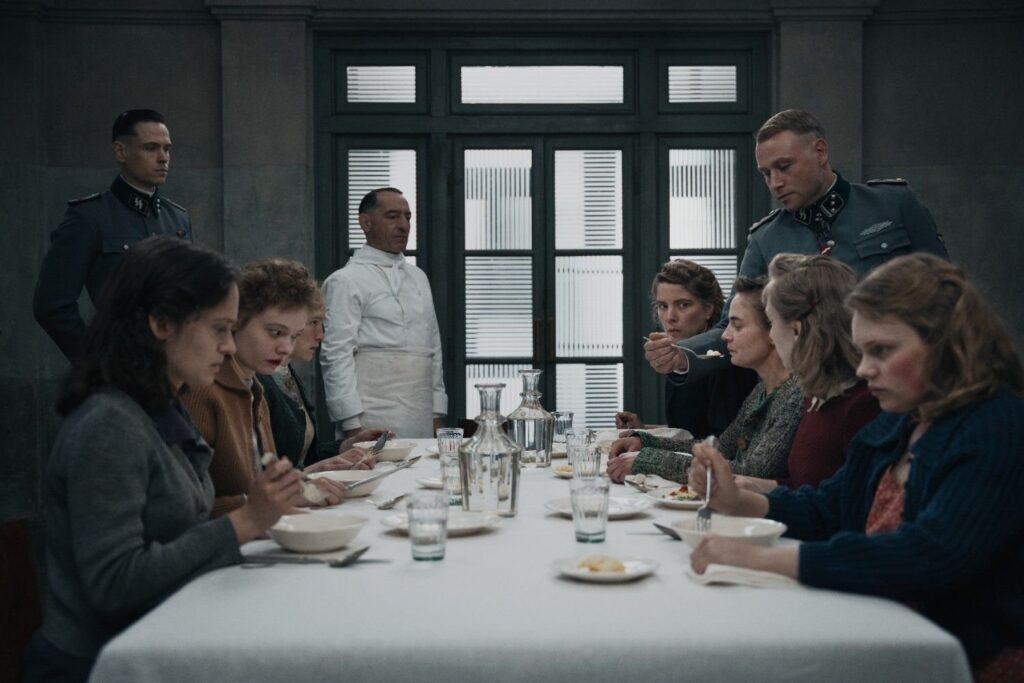
The Tasters (2025)
This film tells the story of a young woman who is forced to join six others as food tasters for Hitler during World War II. It is a little-known fact that Hitler was so paranoid about being poisoned that every meal was tested before he ate it. However, this movie is not about Hitler. Instead, The Tasters focuses on the lives of ordinary women who must learn to cope, adapt, and do whatever is necessary to survive while their country is at war.
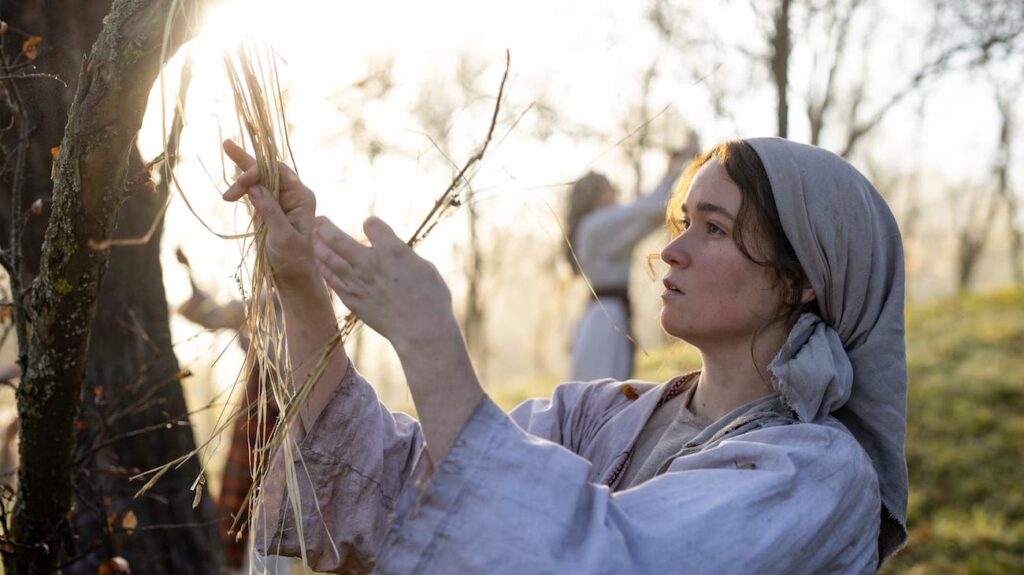
You Won’t Be Alone (2022)
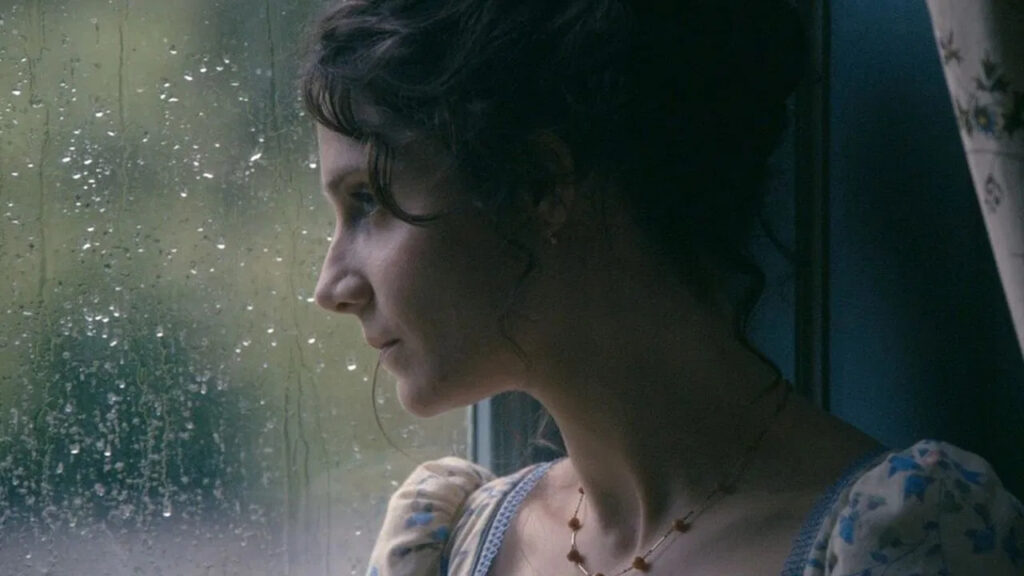
I admit this superb film is an unusual choice for the list. Despite being a supernatural horror story about a girl who is turned into a witch against her will, You Won’t Be Alone offers a remarkably authentic depiction of a woman’s life in 19th-century rural Macedonia. As someone who lives in Eastern Europe, I recognized many of the traditions, costumes, and customs portrayed throughout the film. The sense of familiarity was especially striking because some of the dialogue is in Aromanian, and one of my favorite Romanian actresses, Anamaria Marinca, plays a major role.
Lies We Tell (2023)
The protagonist of Lies We Tell is a strong and determined young woman who must navigate the harsh realities of 19th-century Ireland to protect her inheritance. To keep her birthright, she must fight against her own family’s attempts to control and subdue her. One of the most visually stunning films I’ve ever seen, Lies We Tell combines modern filmmaking techniques with a classic story about a woman finding strength and resilience in a world determined to limit her freedom.
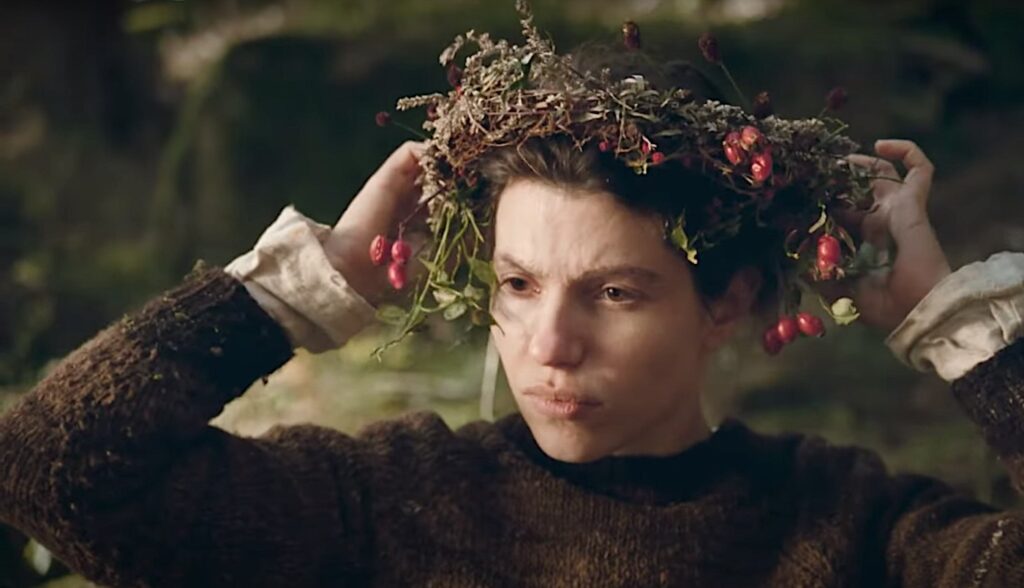
The Devil’s Bath (2024)
There are very few films that explore mental illness in historical settings, which makes The Devil’s Bath a rare and fascinating find. Inspired by historical records and research about 17th-century rural Austria, the film follows a devout newlywed woman as she descends into severe depression. Living in a society where religion shaped every aspect of daily life, she turns to the only acceptable means available to cope with her suffering. Dark, unsettling, and emotionally heavy, this is a film that stayed with me long after I finished watching it.
Pride and Prejudice (2005)
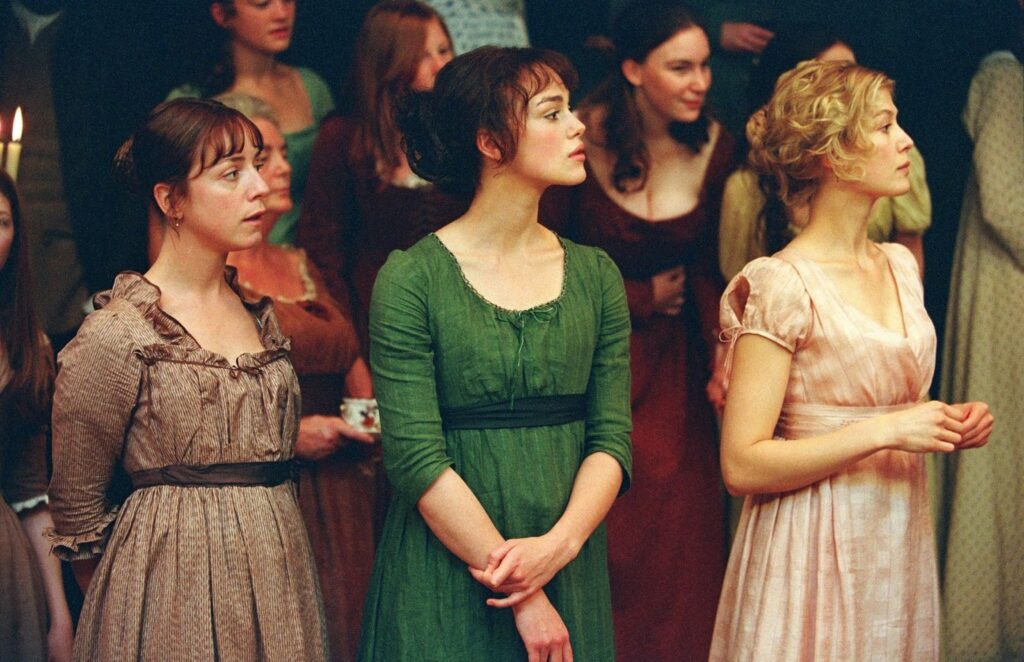
I couldn’t make this list without including at least one adaptation of a Jane Austen novel. The story of Elizabeth Bennet and her family offers a glimpse into life in Regency England. Because inheritance laws favored male heirs, young women from middle- and upper-class families were often raised to believe that their primary purpose was to secure a wealthy husband and a good marriage. Although the film ends on a hopeful note, with Elizabeth and Jane marrying men of considerable fortune despite numerous obstacles, Pride and Prejudice remains a sharp critique of the limited roles and opportunities available to women during the period.
A Woman’s Life (2016)
Guy de Maupassant’s novel, Une Vie, is one of my favorite books, and this adaptation remains as faithful as possible while working within the constraints of the medium. It follows an upper-class woman through the different stages of her life in 19th-century France. As an idealistic and sensitive young woman, she begins life believing she has some control over her future. Over time, however, that sense of agency gradually diminishes as she comes to terms with the realities of being a woman in her society. Despite her wealth and social standing, she discovers that she is just as powerless against societal conventions as any other woman of her era.
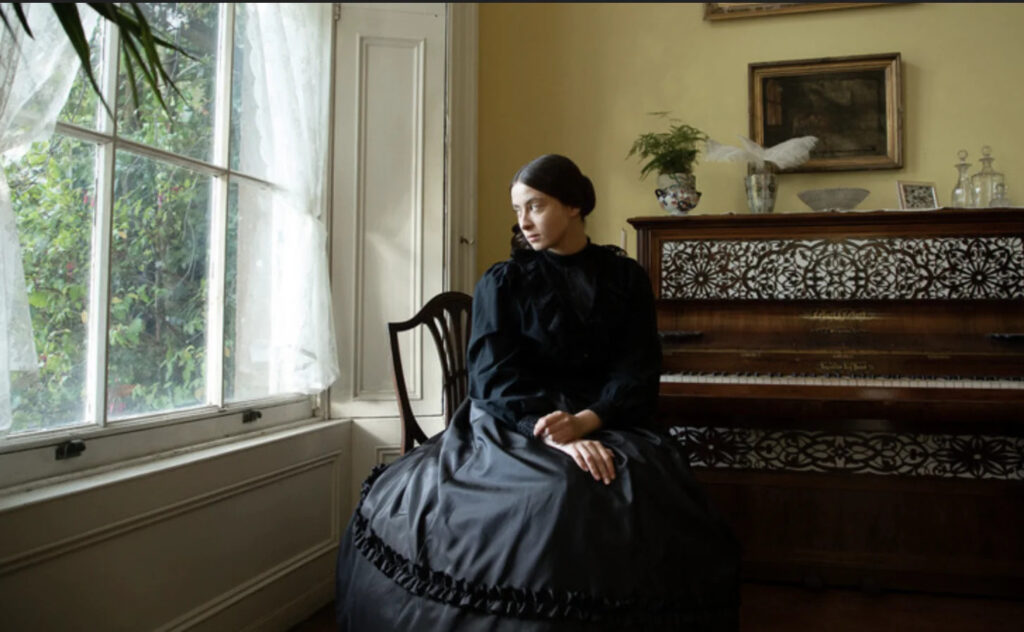
Lady Macbeth (2016)
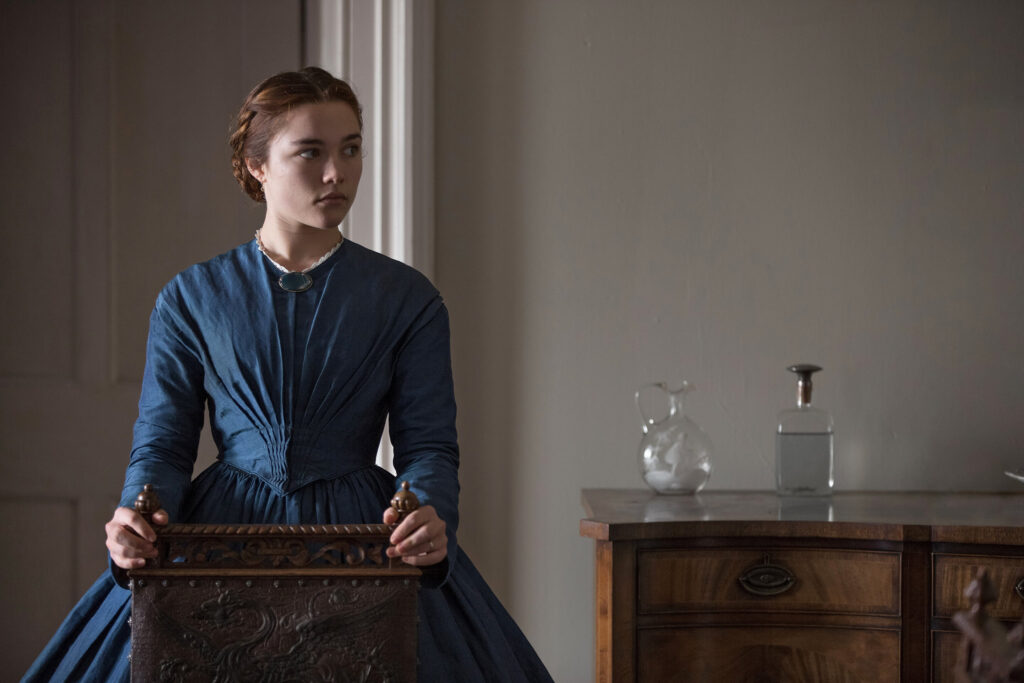
Set in rural England in 1865, Lady Macbeth follows a young woman trapped in a loveless marriage to a much older man. To gain some autonomy and sense of self, she rebels against her captor and her entrapment. As a viewer, I found it difficult not to sympathize with her rebellion, even when her actions became shocking or morally troubling. The film’s protagonist shares little with Shakespeare’s Lady Macbeth beyond her intelligence, strength, and cunning nature. While Shakespeare’s character is driven by a hunger for political power, the woman portrayed so brilliantly by Florence Pugh seeks a different kind of power: control over her own life and destiny.
The Girl with the Needle (2024)
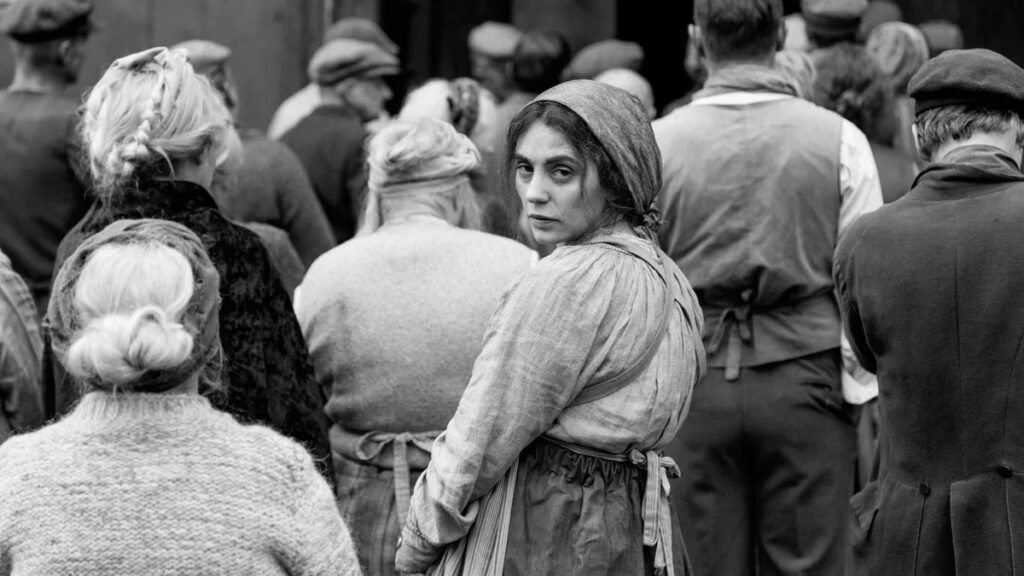
Another dark entry on this list, The Girl with the Needle is loosely inspired by the true story of a Danish serial killer in the early 20th century. The film follows a young woman who becomes employed as a wet nurse for an underground adoption agency in Copenhagen and gradually uncovers the horrifying truth behind its operations. The movie captures the grim realities faced by unmarried pregnant women after World War I, including severe social stigma and ostracization, crushing poverty, and a lack of reproductive autonomy.
The Peasants (2023)
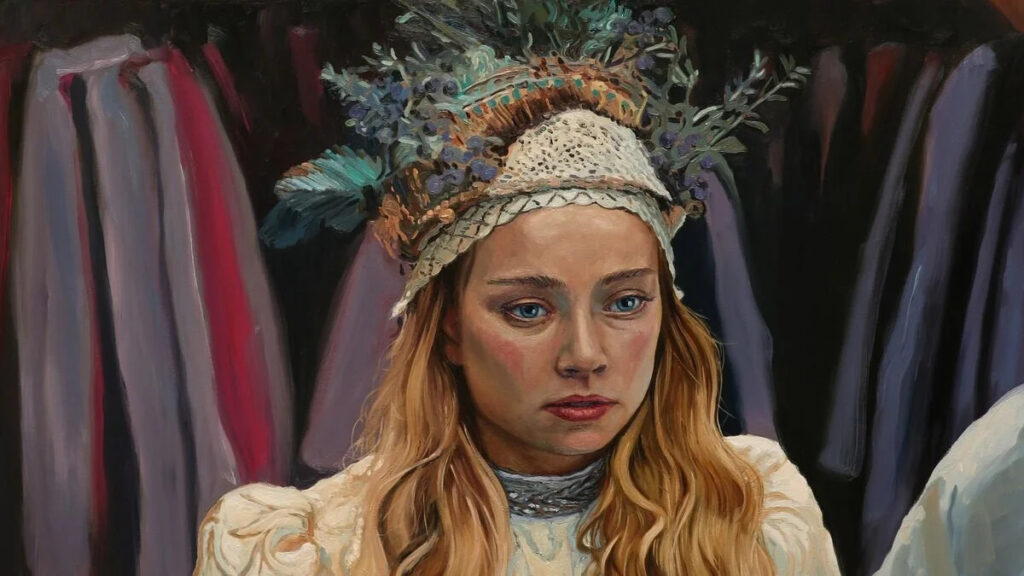
Created by the same artists behind Loving Vincent, The Peasants offers a fascinating glimpse into rural Polish society in the 19th century. The film follows a young woman trying to build a life for herself while confronting the misogyny, rigid traditions, and social expectations that dominate her community. Its beautiful hand-painted animation creates a striking contrast with the harsh realities depicted in the story.
Jane Eyre (2011)
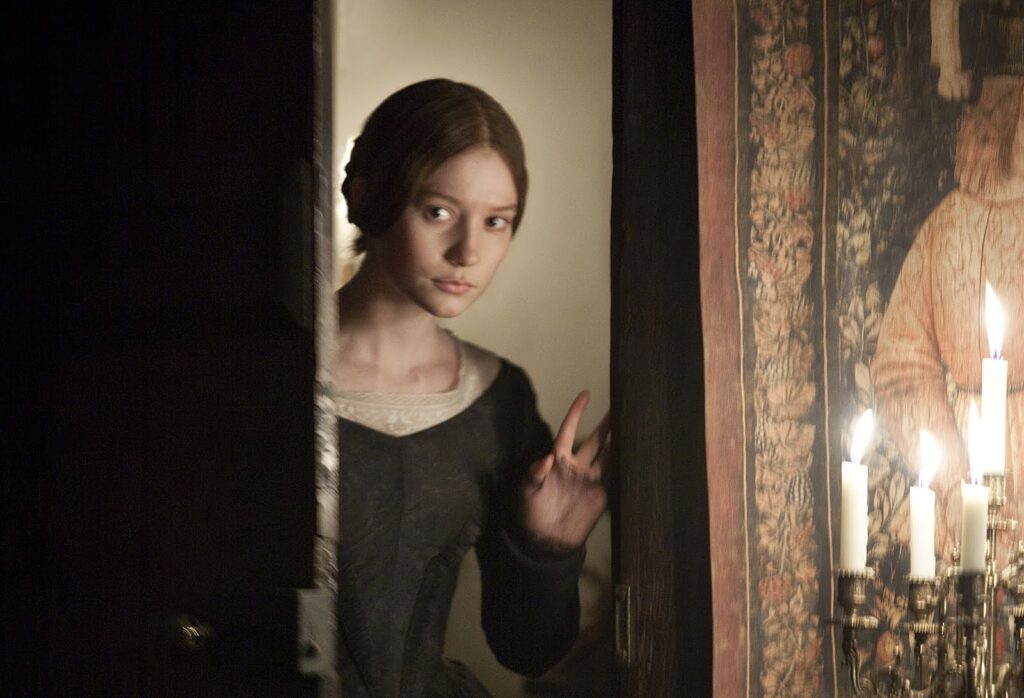
Jane Eyre has been adapted for the screen countless times, and it took me a while to decide which version to include on this list. I chose this adaptation because of its beautiful cinematography and excellent lead performances. The story follows a plain but fiercely independent young woman who grows up in an orphanage and later finds work as a governess at the estate of a wealthy yet troubled man. From an early age, Jane learns what society expects of her, but she refuses to surrender her individuality or determination despite the hardships and cruelty she encounters. Strong-willed, intelligent, and deeply principled, Jane remains one of literature’s earliest and most enduring examples of female empowerment.
By shifting the focus away from major historical events and famous figures and toward domestic spaces and everyday struggles, these films offer a different perspective on history. They highlight women’s battles against societal constraints while emphasizing their resilience, determination, and ability to carve out spaces of their own within deeply patriarchal societies.