

Dune (2021): An Islam-Inspired Theme With Powerful Aesthetics, but Reminiscent of Lynch
Villeneuve’s Dune is a masterpiece for its crafting process, but references to David Lynch's picture are sometimes too obvious.
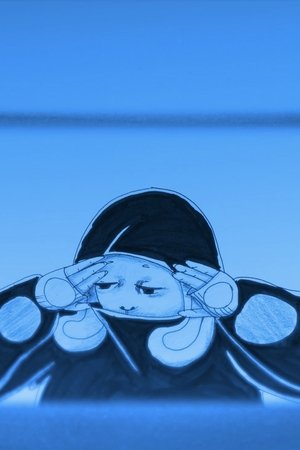


During the ice storm that hit Quebec in 1998, the inhabitants of the region known at the time as the Triangle of darkness, experienced an unprecedented power outage. In the depths of winter, the absence of heating quickly gave way to mutual aid and human warmth, suggesting that in Quebec, loneliness could be more dangerous than the cold. The film sketches the portrait of a woman and an old man whose precariousness usually remains invisible, but which the crisis situation reveals. Triangle of Darkness tells the story of how the woman tries to reproduce the human warmth that has so much marked the collective imagination of disaster victims.
Villeneuve’s Dune is a masterpiece for its crafting process, but references to David Lynch's picture are sometimes too obvious.
Outer Banks (2020-) knows its audience: young adults in a country that can’t stop romanticizing good ole’ treasure hunts. Add a little of Riverdale’s (2017-) sex appeal, and no one can look away. Forty years after The Goonies (1985) America’s consciousness hasn’t strayed from the same tropes: treasure hunts, a vulnerable white male lead, and the whitewashing of a racially segregated setting.
This film manages to be simultaneously topical and timeless. Without being preachy, it highlights society’s flawed relationship with tech; insights into the complex ideas of family struggle are expertly dispersed among a perfectly paced and balanced story.
A homeless girl faces depression and uncertainty during the holidays.
An in-depth discussion about anti-Black discrimination in college and professional football.