


Living People in "It Was Just an Accident"
It doesn’t offer an absolute answer for the dialectical ethical questions that emerged in search of justice but portrays the characters as living people beyond the identities of victims.
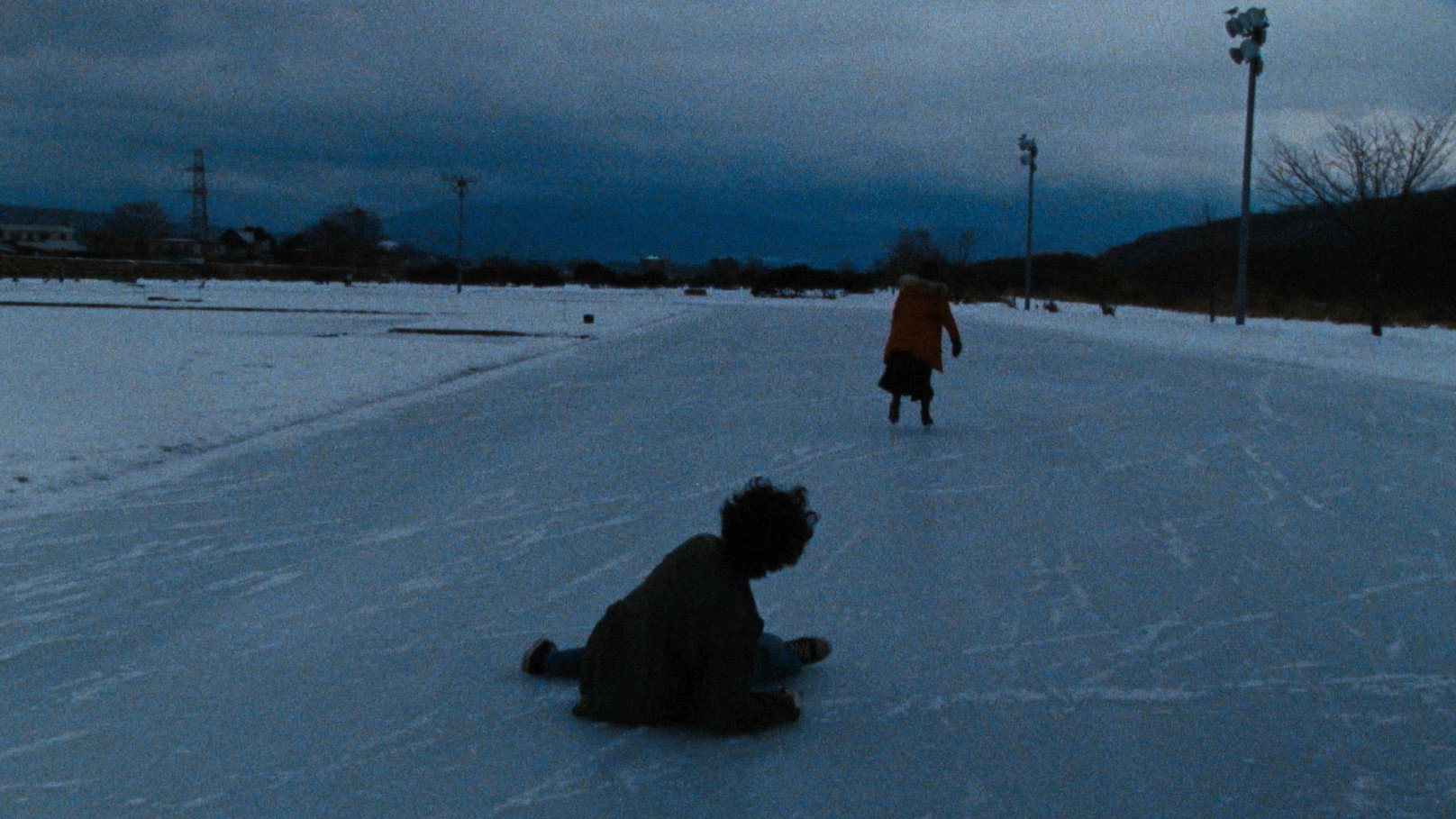
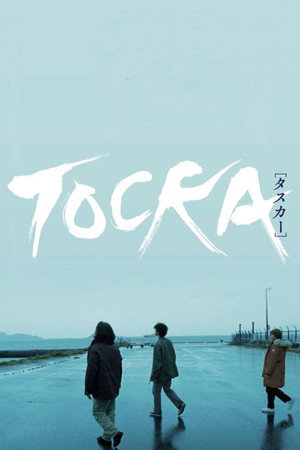


Shoji runs a store in a desolate town in northern Japan. After the death of his wife, he longs to end his life so that his daughter will receive his life insurance money. But suicide is not covered by his contract, so he seeks help and meets Saki, who is also suicidal. Yoshitaka Kamada raises profound questions about life, death, and the importance of humanity.
It doesn’t offer an absolute answer for the dialectical ethical questions that emerged in search of justice but portrays the characters as living people beyond the identities of victims.
The Mandolorian has a more nuanced and commentative take on masculinity that refrains from praising the toxic traits associated with the social category, while also showing a more positive and transformative representation of masculine characters.
‘Better Than Chocolate’ isn’t perfect, but it sure has charm! The characters are great. Some took longer to grow on me than others, but ultimately they’re all compelling! I appreciate how a select few help those around them to grow.
‘Exhibiting Forgiveness’ seeks to ask one question, “What do you do when your parents are the source of your pain?”
Omaha reminds us of what it can feel like to look at old family photographs. You sit with the bittersweetness, allowing it to wash over you; not drowning in it, but certainly affected by it.
Documented human suffering is never easy to view or read about and is understandably triggering for many people, but it can be educational, and education is a key to change. An overwhelming amount queer people worldwide (and in my own country) have it far worse than I could imagine, and documentaries such as Welcome to Chechnya bring issues to light that certain groups of people would never see.