


Is It Still Possible to Achieve a Happyend Nowadays?
Neo Sora left a realistic and yet hopeful notion for the near future and the now.

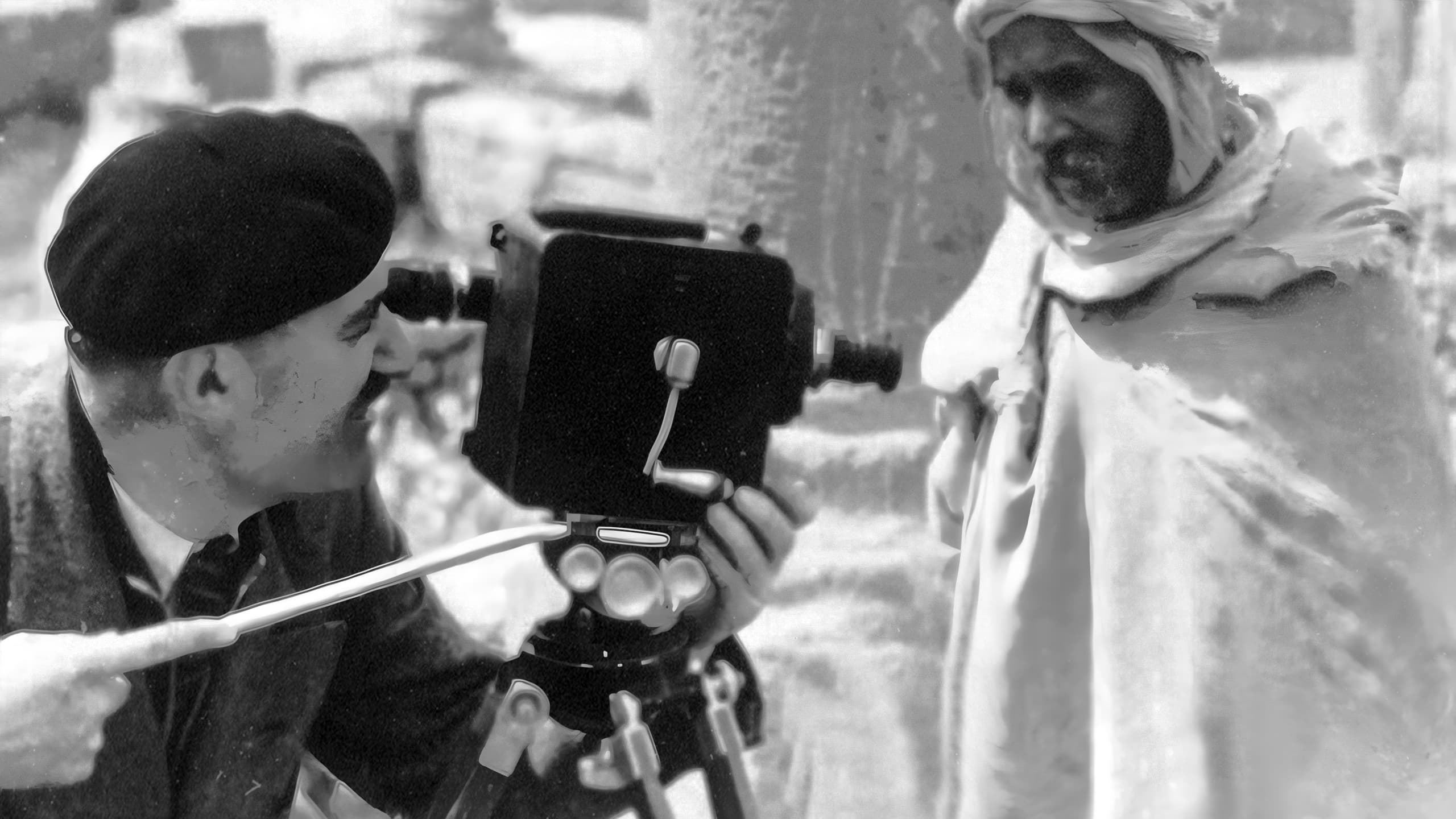
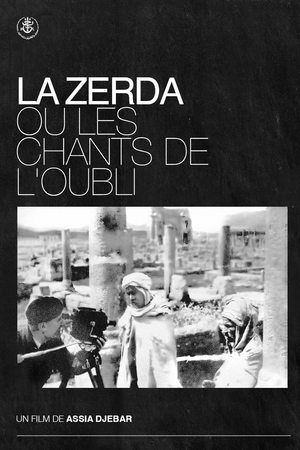
“La Zerda and the songs of oblivion” (1982) is one of only two films made by the Algerian novelist Assia Djebar, with “La Nouba des femmes du mont Chenoua” (1977). Powerful poetic essay based on archives, in which Assia Djebar – in collaboration with the poet Malek Alloula and the composer Ahmed Essyad – deconstructs the French colonial propaganda of the Pathé-Gaumont newsreels from 1912 to 1942, to reveal the signs of revolt among the subjugated North African population. Through the reassembly of these propaganda images, Djebar recovers the history of the Zerda ceremonies, suggesting that the power and mysticism of this tradition were obliterated and erased by the predatory voyeurism of the colonial gaze. This very gaze is thus subverted and a hidden tradition of resistance and struggle is revealed, against any exoticizing and orientalist temptation.
Neo Sora left a realistic and yet hopeful notion for the near future and the now.
This is a film that is going to leave some people bored, and some people thrilled.
YouTube surpasses Netflix but there is more to the story.
Every movement becomes a question of identity. To become who we are meant to be. In order to reach that we often have to shed who we once were, and that shedding can sometimes be so brutal it’s ungraceful.
Disney/Pixar may see a bit of a turning point with Pixar’s new Disney+ Sparkshorts short film: OUT.