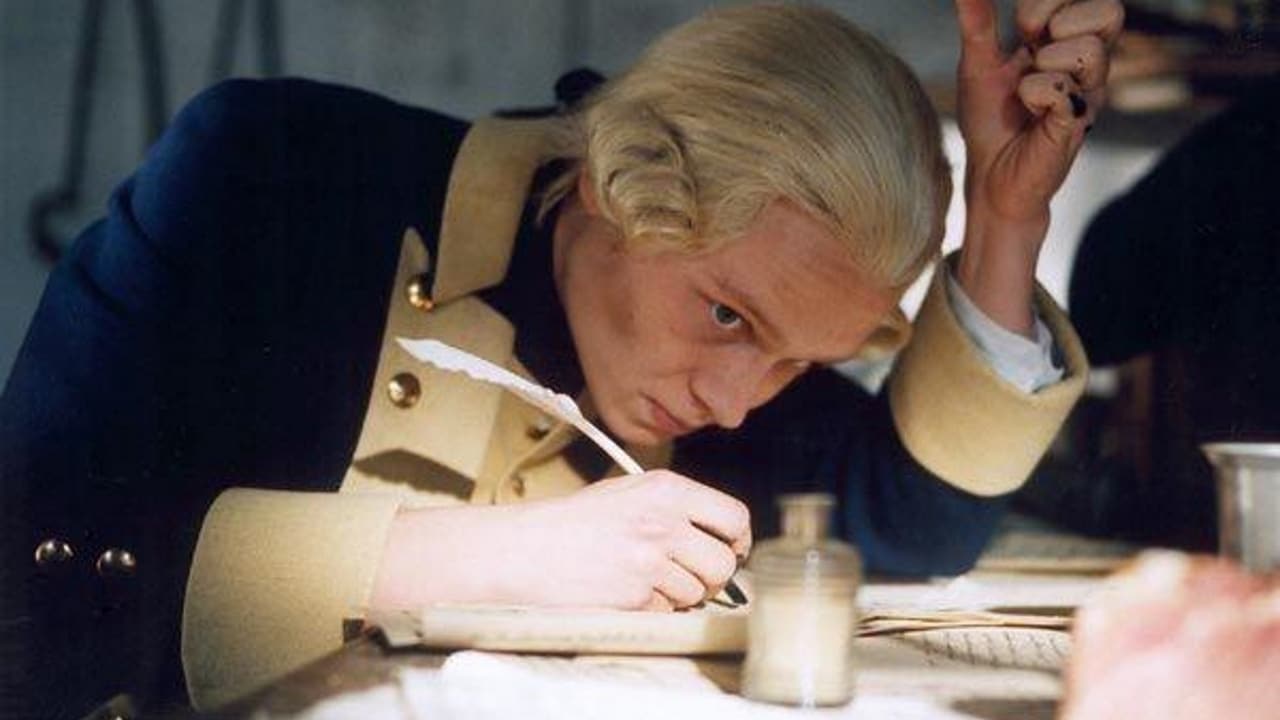

The Young Schiller
The young Friedrich Schiller begins his life as a poet with a dramatic escape. After the sensational success of his first drama "The Robbers", he deserts from the Duke's army. At the Mannheim Court and National Theatre, he initially receives a friendly reception, but his new play "Fiesko" is not well received by the artistic director Dalberg. In the successful actor and author August Wilhelm Iffland, Schiller finds a strong competitor for the position of in-house playwright and vies with him for the love of the same woman. The young poet's situation becomes increasingly precarious; he has no money, suffers from hunger and falls seriously ill. Nevertheless, he works feverishly for recognition and success with no regard for his own health.

- / 5
PopScore
Representation
Pictures and Videos

Movie Information
The young Friedrich Schiller begins his life as a poet with a dramatic escape. After the sensational success of his first drama "The Robbers", he deserts from the Duke's army. At the Mannheim Court and National Theatre, he initially receives a friendly reception, but his new play "Fiesko" is not well received by the artistic director Dalberg. In the successful actor and author August Wilhelm Iffland, Schiller finds a strong competitor for the position of in-house playwright and vies with him for the love of the same woman. The young poet's situation becomes increasingly precarious; he has no money, suffers from hunger and falls seriously ill. Nevertheless, he works feverishly for recognition and success with no regard for his own health.
Rating:
Genre:Drama
Written By:Hendrik Hölzemann, Martin Weinhart
In Theaters:
Box Office:
Runtime:90 minutes
Studio:ARTE, Bavaria Film, BR, ARD Degeto, Maran Film, MDR, SWR, ARD
Cast

Martin Weinhart
Director

Matthias Schweighöfer
Friedrich Schiller
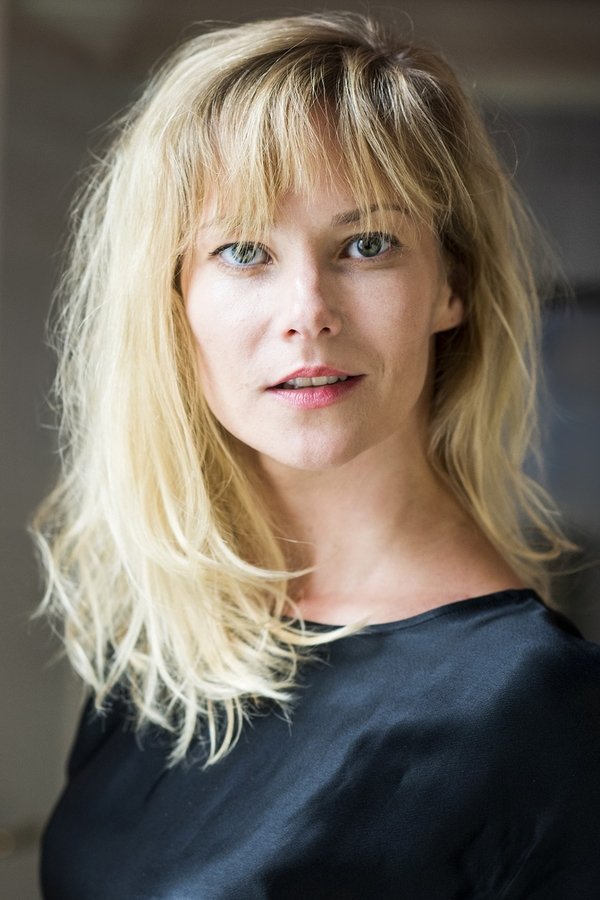
Teresa Weißbach
Katharina Baumann
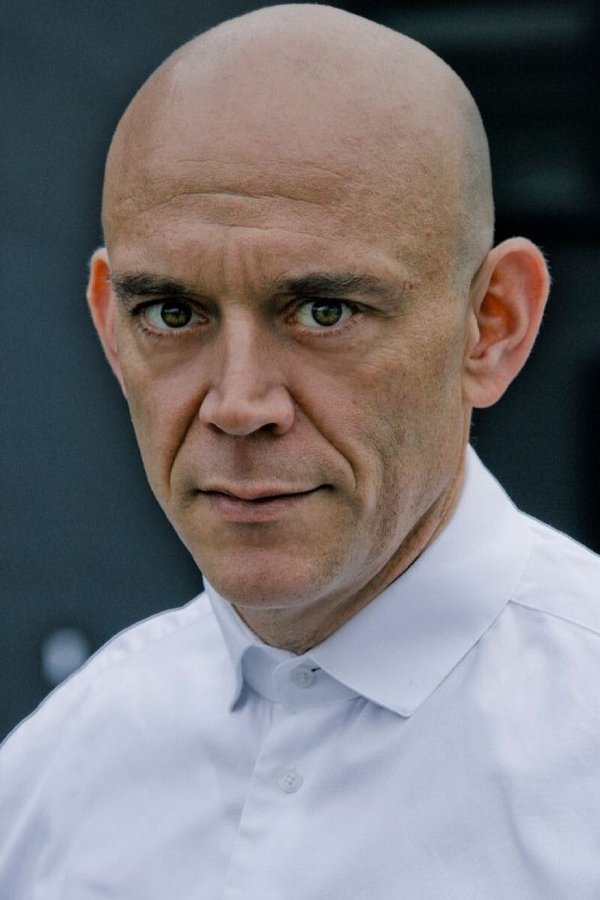
Robert Dölle
August Wilhelm Iffland

Jürgen Tarrach
Wolfgang von Dalberg

Christian Näthe
Andreas Streicher
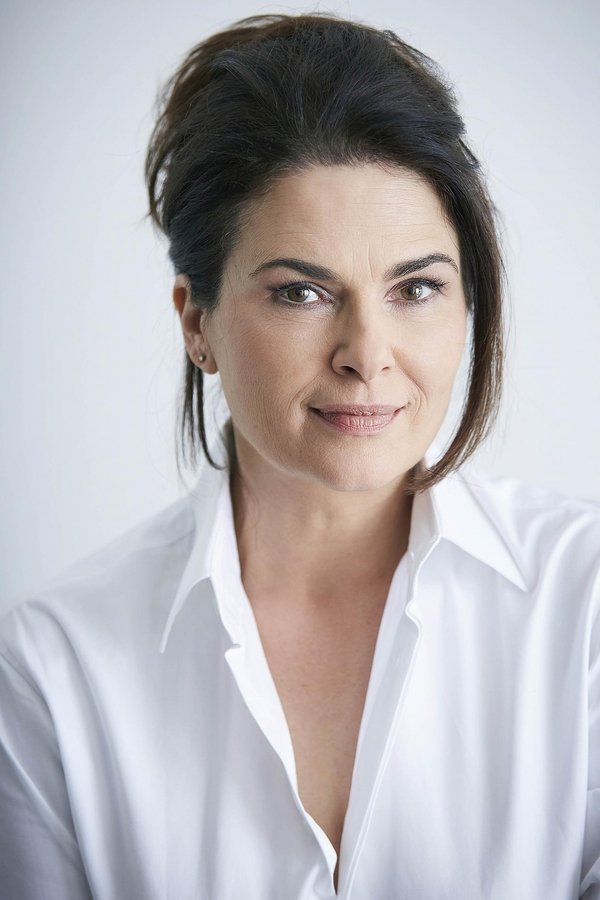
Barbara Auer
Caroline Wiethoeft
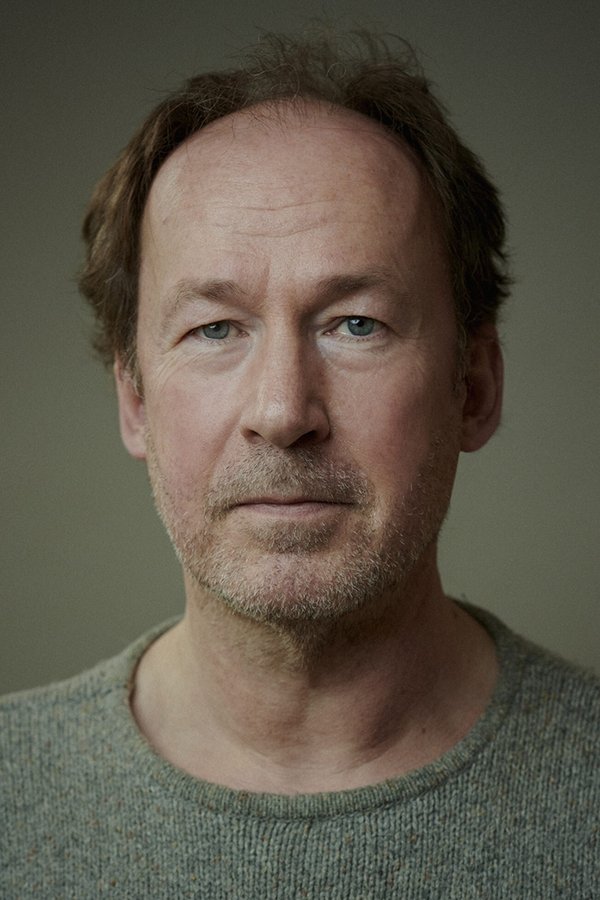
Ulrich Noethen
Buchhändler Schwan
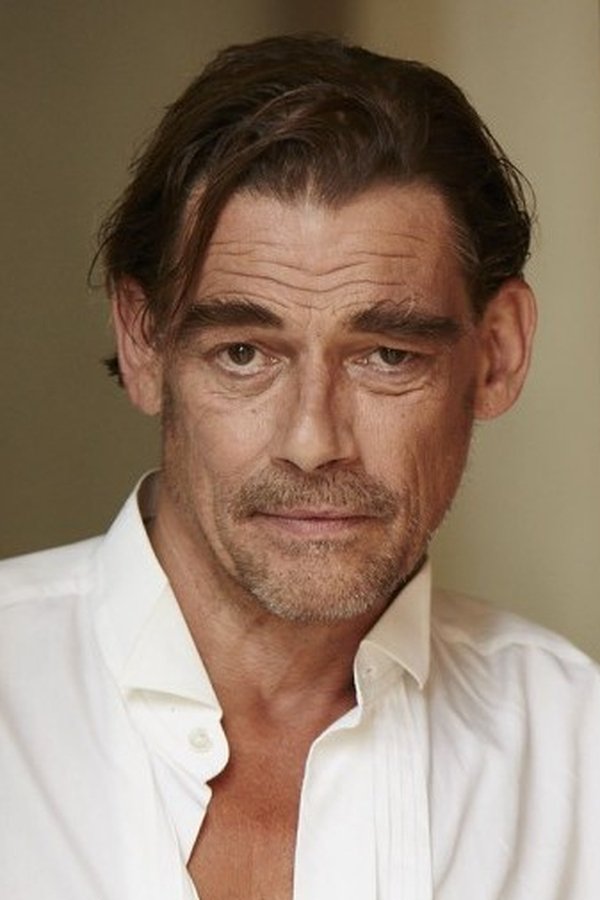
Martin Feifel
Beck
Nikolaus Paryla
Tänzer

Catrin Striebeck
Frau Toscani

Florian Stetter
Scharffenstein
Articles You May Like
"A Big Bold Beautiful Journey" (2025) Film Review-Taking a risk to love and trust again via fantastical, shared paths
Strangers in a crowd, exchanging glances, looking away, continually managing to run into each other then part ways, end up at the same diner, find they've rented the exact same vehicles, and are then made to travel together to learn once more whether they can both find genuine adoration and companionship again. This really does, in so many words, sum up the foundational gist of of this new feature film from writer Seth Reiss ("The Menu") and director Kogonada ("The Acolyte", "After Yang"). Yet, it's all only the set-up for the REAL wonder of everything that happens before, during, and in the aftermath of a magical, meaningful journey.
‘Shaft’ (2019): The Father-Son Comedy That Cops Out
The 'Shaft' remake fails to capture Blaxpoitation's rebellious spirit.
Gods of Mexico, an Artistic Triumph that Eschews Narrative
The documentary depicts the indigenous people of Mexico with sublime reverence, highlighting a generational harmony with the land.
All Too Well: The Short Film and the Hysteria
Considering the runtime, I expected each scene to hit harder as opposed to a series of montages and vignettes.
'The Djinn' Movie Review
The Djinn is about childhood traumas and lifestyle changes. It tells the story of Dylan (Ezra Dewey), a mute boy who blames himself for his mom’s death. He also condemns himself for being speech-impaired, and he thinks that if he did not have that condition, everything could had been different.