






'Mulan' and 'Whale Rider': Director Niki Caro's take on Gender Inequality
Indie director, Niki Caro (known for 'Whale Rider') directs the live-action 'Mulan' and sets another example of strong females fighting against gender inequality.
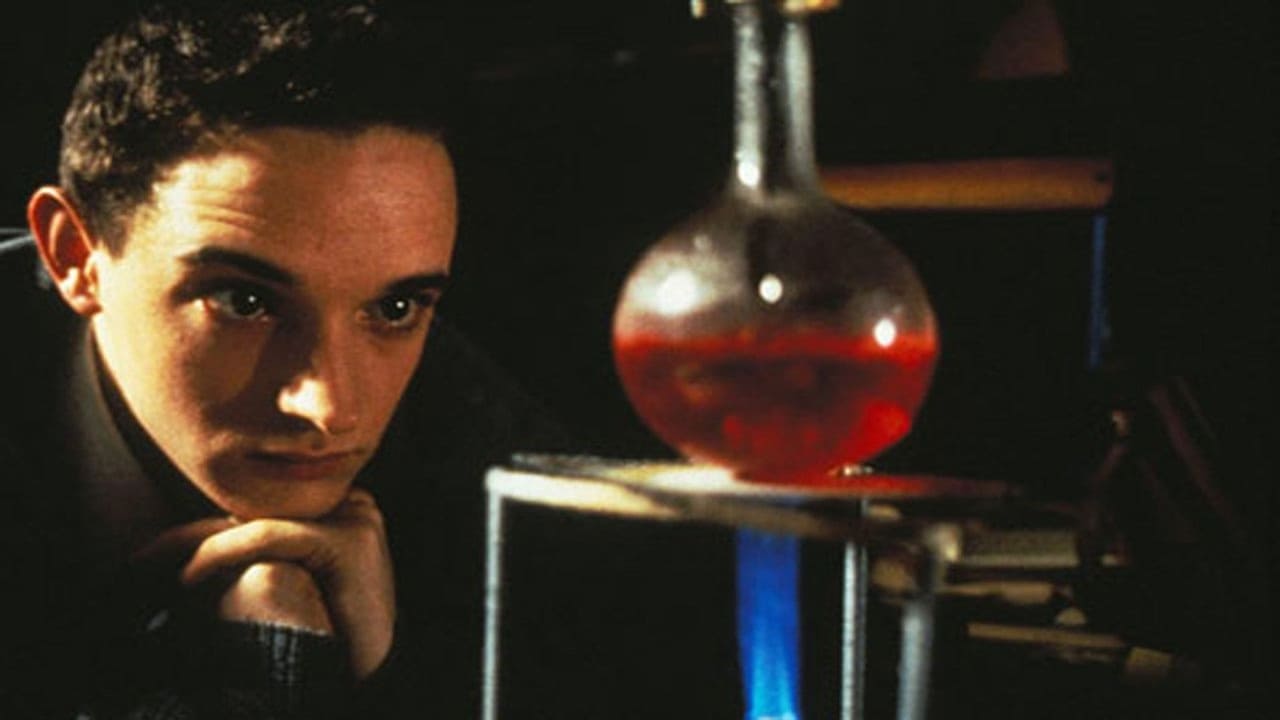
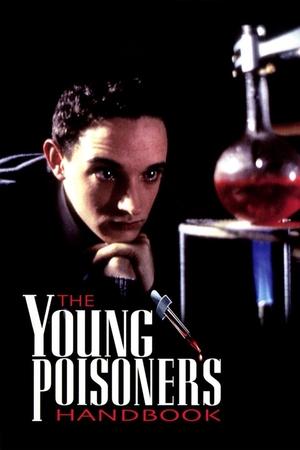


Graham Young is a teenage misfit living in suburban London in the 1960s. He hates his stepmother but loves chemistry, and the two impulses unite in a wicked plot to slowly poison her. After she dies, he's found guilty and sent to a psychiatric hospital, where an idealistic doctor thinks he can be cured.
Indie director, Niki Caro (known for 'Whale Rider') directs the live-action 'Mulan' and sets another example of strong females fighting against gender inequality.
This showcase of Hollywood’s finest talent will certainly be around come awards season, and much deserved
I imagine that it would be a dream job for an actor to play the parts of twin brothers Dominick and Thomas Birdsey in I Know This Much Is True.
Yeah, sure, the movie’s about Carnage. But it’s really about love. A love that defies all odds: the love between a man and his man-eating alien symbiote.
Of all the many great people that have contributed to Hip-Hop and radio, I was fortunate enough to speak with James Rosseau, founder of The Corelink Solution, a nonprofit that owns and operates Holy Culture Radio.
Ruben Östlund muses about his characters, “As soon as you get close to a person, you see them as just another human being”. It is widely recognized that aboard the luxury yacht in ‘Triangle of Sadness’, the different groups of people represent a small society as a commentary on classism and gender binaries.