




Knives Out: Sharpest Writing of 2019?
Knives Out doesn’t just defy the whodunit narrative, it uses the weaknesses to its advantage. It’s well aware of the genre’s faults and tropes

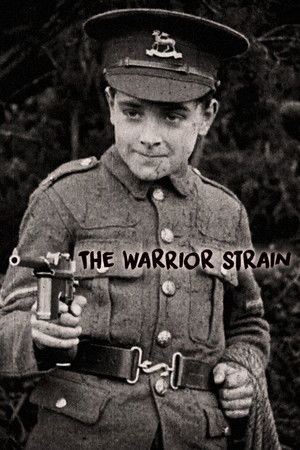
Lonely young Lord Billy, who misses his dear departed mother, has nothing to do but lounge about the castle all day while his father, the Earl, attends to important affairs of state – until the noble lad joins the Army Cadets. Rising through the ranks to become the Lance Corporal of his squad, patrolling undefended points along the English coast, he's soon on the trail of German marauders.
Knives Out doesn’t just defy the whodunit narrative, it uses the weaknesses to its advantage. It’s well aware of the genre’s faults and tropes
Stylish, slow, and somewhat standoffish, Human Resource examines corporate life from the perspective of a female HR employee as she interviews job candidates while also deciding whether to keep her newly discovered pregnancy.
The 100 imagines a future where humanity's overcome some of its most pervasive forms of prejudice—only to create new ones.
Another story focuses on the bond between a young man and a shelter dog in this Netflix drama film.
Gretel & Hansel falters due to its razor thin story and lack of characterization. It loses sight of horror’s key rule: In order to create an effective tale, characters and emotions must be emphasized.
If you've watched 'Jeanne Dielman, 23 Quai du Commerce, 1080 Bruxelles', you are either someone who believes “nothing happens” in this three and half-hour film or you’re like me who believes everything happens.