“Disclosure Day” and Anthropocentrism
Disclosure Day asks us to question humanity's role in the universe but falls victim to the same assumptions of centrality.




Down a seedy city street in her neighborhood, young Enola Penny is obsessed with what appears to be a long abandoned theatre. One night, she sees that the front door is slightly ajar and impulsively decides to sneak inside. But there in the dark, decrepit auditorium, a show unlike any other unfolds before her eyes. Its host is an eerie human puppet named Peg Poett who will introduce Penny to six tales of the bizarre: A couple traveling in a remote part of the French Pyrenees cross paths with a lustful witch; A paranoid lover faces the wrath of a partner who has been pushed to her limit; The Freudian dreams of an unfaithful husband blur the lines between fantasy and reality; The horrors of the real world are interpreted through the mind of a child; A woman addicted to other people's memories gets her fix through the vitreous fluid of her victims' eyeballs; And a perverse obsession with sweets turns sour for a couple in too deep.

Tom Savini, David Gregory, Douglas Buck, Richard Stanley, Buddy Giovinazzo, Karim Hussain, Jeremy Kasten
Director

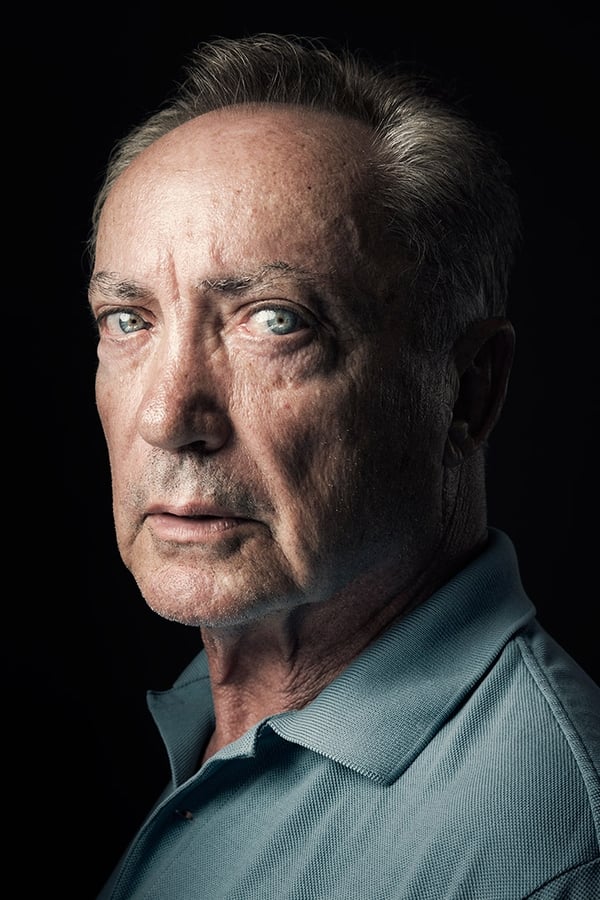
Udo Kier
Peg Poett

Virginia Newcomb
Enola Penny
Amanda Marquardt
Squalid Woman
Amelia M. Gotham
Gypsy

Catriona MacColl
Mere Antoinette

Shane Woodward
Martin

Victoria Maurette
Karina

André Hennicke
Axel

Suzan Anbeh
Mo

Harvey Friedman
George

Debbie Rochon
Carla
Disclosure Day asks us to question humanity's role in the universe but falls victim to the same assumptions of centrality.
Although Christmas is a time of year for love and cheer for all, holiday cinema has not always represented diverse communities. Being a holiday with Christian origins, much of its media consists of straight white families or straight white romances. Luckily, modern years have been bringing with them plenty of POC and LGBTQ+ representation that the holidays so desperately need.
Friendships are tested when two girls have a crush on the popular boy at school.
Omaha reminds us of what it can feel like to look at old family photographs. You sit with the bittersweetness, allowing it to wash over you; not drowning in it, but certainly affected by it.
Ultimately the problem with The Bubble is that it plays everything for laughs to get around the audience’s defenses. But it comes off like a privileged white male thinking that ridiculing everyone else equally is the road to equality. And it’s not. And it's definitely not funny to pretend that it is.
The three themes of lessons learned from HBO Max's Station Eleven are the same as the pandemic: love, regret, and art.