






Incluvie – Better diversity in movies.
Identity in film with Incluvie stamps, scores, reviews.

Incluvie – Better diversity in movies.
Explore identity in film with Incluvie stamps, scores, reviews, and insights.

trailer banner
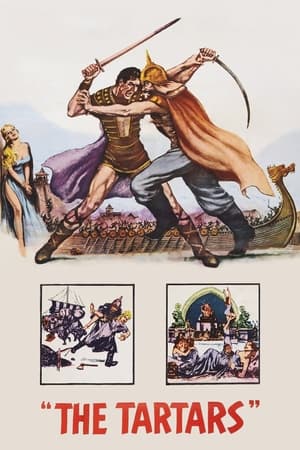
The Tartars poster

The Tartars (1962)

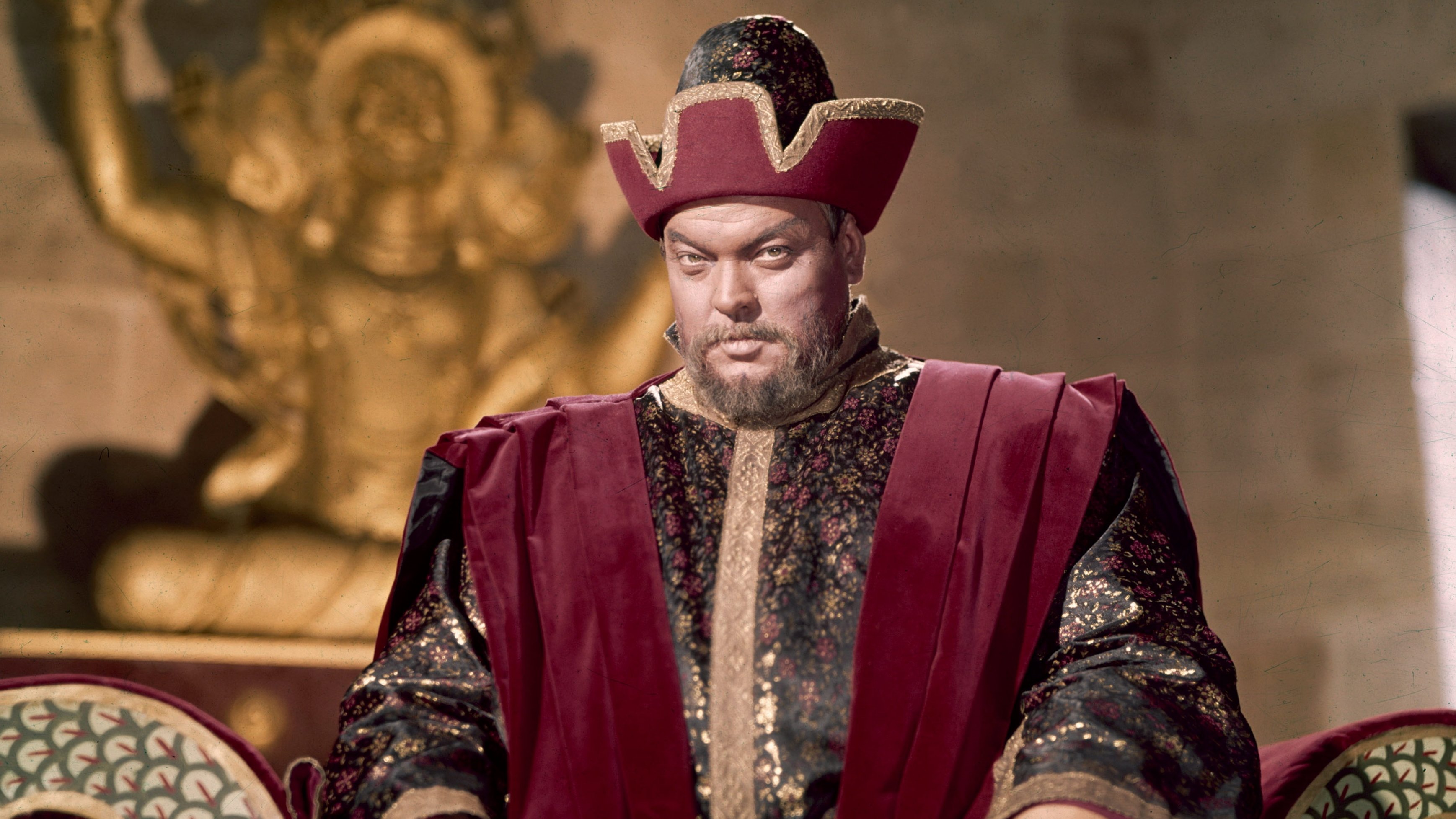
The Tartars and the Vikings maintain a fragile peace in the harsh landscape of the Russian Steppe. When the leader of the Vikings, Oleg, declines to accompany the Tartars on a campaign against the Slavs, there is an explosion of violence. After Oleg kills the Tartar leader and kidnaps his daughter, the dead man's brother, Burandai, retaliates by holding Oleg's wife, Helga, hostage. The stalemate can be resolved only on the battlefield.
- / 5
PopScore
Representation

Pictures and Videos


Incluvie Gala

Movie Information


The Tartars and the Vikings maintain a fragile peace in the harsh landscape of the Russian Steppe. When the leader of the Vikings, Oleg, declines to accompany the Tartars on a campaign against the Slavs, there is an explosion of violence. After Oleg kills the Tartar leader and kidnaps his daughter, the dead man's brother, Burandai, retaliates by holding Oleg's wife, Helga, hostage. The stalemate can be resolved only on the battlefield.

Rating:NR
Genre:Action, Adventure, Drama
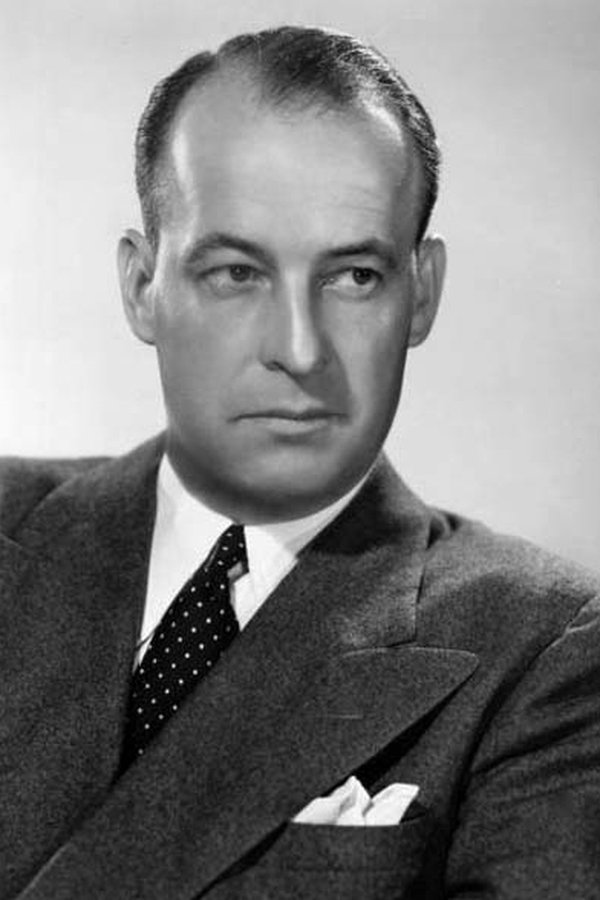
Directed By:Richard Thorpe
Written By:Domenico Salvati, Sabatino Ciuffini, Oreste Palella, Gaio Fratini, Julian De Kassel, Ambrogio Molteni
In Theaters:6/20/1962
Box Office:

Runtime:83 minutes
Studio:Lux Film, Dubrava film, Metro-Goldwyn-Mayer

Articles You May Like


"First Girl I Loved": A Well-Intended but Ultimately Flawed Story of Identity

Despite its glaring flaws, First Girl I Loved is not entirely undeserving of a watch. For people who can handle the more difficult aspects of the story and graphic scenes, it is worth looking into. It’s not a film worthy of rewatch, but it may still resonate somewhat with those who need a story like this. It is a genuine, if flimsy attempt at a coming-of-age tale. Were the film to be directed by someone with experiences more similar to Anne, it would likely be more powerful--as it is, it feels like a man’s perspective of what it means to come to terms with your identity as a lesbian. 

Marisa Jones