



Michelle Payne Learns How to 'Ride Like a Girl'
Horse racing is a very difficult sport and challenge, especially for a young woman like Michelle Payne.
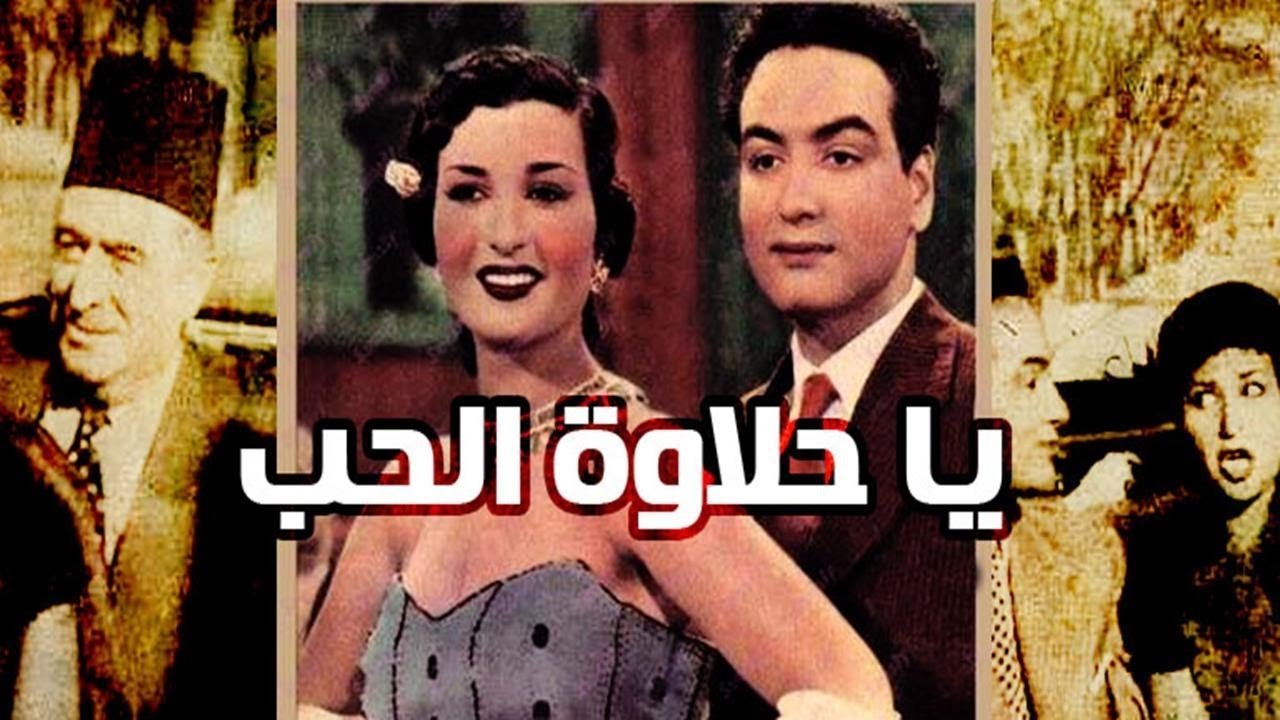



Shukria is a spoiled girl whose father wants her to marry the singer Nabil, after discovering that he has a rich uncle. Shukria’s father holds a party and invites Nabil so that he can get to know his daughter, but when a girl who loves to sing and dance arrives, Nabil and his uncle fall for her.
Horse racing is a very difficult sport and challenge, especially for a young woman like Michelle Payne.
The three themes of lessons learned from HBO Max's Station Eleven are the same as the pandemic: love, regret, and art.
The human experience is described through the eyes of a marginalized outsider, neither judgmental nor invested, just an observant donkey.
How powerful can a story be when it is stripped to the bare essentials of just a room, a handful of people and raw human voice?
Remember when there was this amazing comedy titled "National Lampoon's Vacation"? To this day, it is a true classic of the genre and certainly put a new spin on precisely what KINDS of insanity could occur when taking the fam on the road. Then, like with so many successful films, there was the sequel (which for me was even MORE of a classic than the original!). However, the third film emerged....and then a fourth. Suddenly, the luster was gone and disappointment set in.