






'Life & Beth' and 'Sort Of' - Two New Series Bravely Lose The Labels
J Brooke, Incluvie Guest Columnist on 'Life and Beth' and 'Sort of': while living one’s truth is freedom, speaking it as a mandatory assignment can become captivity.
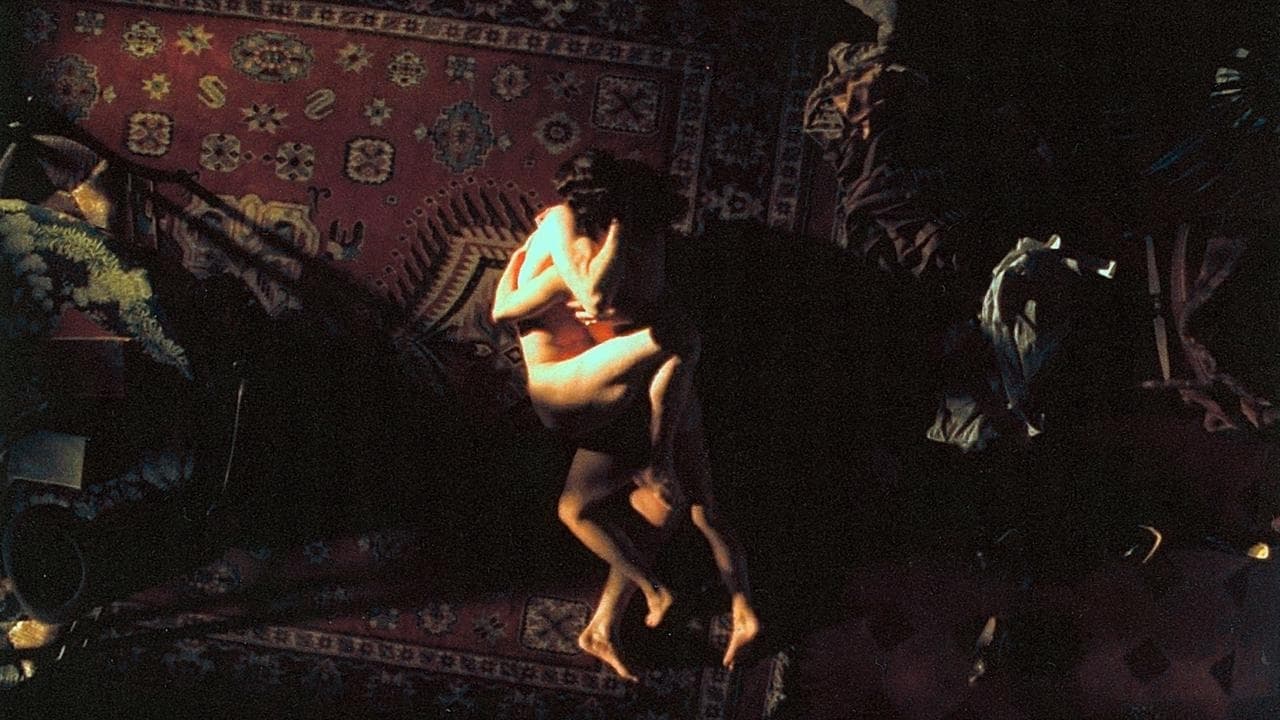
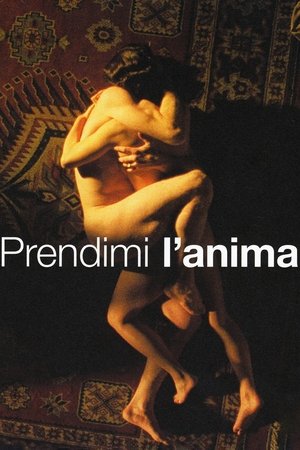


Zurich, 1905. Nineteen-year-old Russian Sabina Spielrein is put by her parents in a psychiatric hospital, suffering from a severe form of hysteria and refusing to eat. A compassionate doctor, Carl Gustav Jung, takes her under his care and, for the first time, experiments with the psychoanalytical method of his teacher Sigmund Freud. Thus is born a sweeping story of love and passion, of body and soul, soaring to the utmost heights, but also plunging to the darkest depths of the 20th century.
J Brooke, Incluvie Guest Columnist on 'Life and Beth' and 'Sort of': while living one’s truth is freedom, speaking it as a mandatory assignment can become captivity.
Netflix’s Shadow and Bone has a complicated relationship with race. It has a diverse cast, but not without its problems. Based on Leigh Bardugo’s two book series, the show features characters from the Shadow and Bone trilogy, which is very straight and white, and the Six of Crows duology, which is much more diverse. When bringing together a cast and writing about these characters, the team behind the show expanded upon some of the representation missing from the first trilogy, then seemed to take away representation from the duology. Shadow and Bone seems to play a bit of a push and pull game when it comes to portraying diversity onscreen.
Shortly after season two of Fleabag dropped on Amazon Prime in 2019, Barack Obama put it on his list as one of his favorite television series of the year.
The story is a moving sentiment of letting go of the past and putting trust and faith into others. Though you come into this world alone, surrounding yourself with others that support you and want to help is the greatest gift life could ever give.
This surprisingly clever romantic comedy perfectly balances genuine heart with wild reality television chaos. It is an uplifting and funny reminder that second chances and real community can show up exactly when you stop looking for them.
Years before Mexican director, Alfonso Cuaron, was winning Academy Awards for movies like Gravity (2013) and Roma(2018), he directed a small, intimate film about two best friends who decide to embark on an improvised road trip to spend time with an older, attractive woman who miraculously agrees to go with them. Y tu Mamá También is a deep journey into the raw sexuality and friendship of the young protagonists, as well as a subtle social and political commentary on Mexico at the time.