


Once Upon a Time in (White) Hollywood
Tarantino's alternative history of the 1960's uncritically repeats the era's sexist and racist stereotypes.

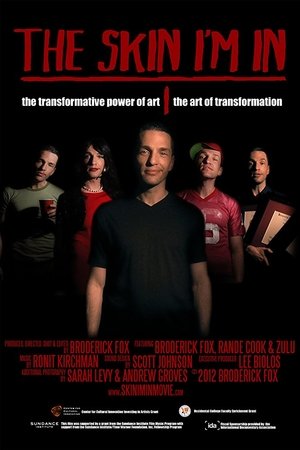
In 2005, filmmaker Broderick Fox was found on the Berlin subway tracks with his head split open and a lethal blood alcohol level of 0.47. Strangers pulled him to safety, giving him a second chance at life and propelling him on a global journey to explore the limits of body, mind, spirit and art. Spanning Germany, Canada, Japan, Kenya, and the United States, Fox's journey includes collaborations with Canadian First-Nations artist Rande Cook and African-American artist Zulu, who help him memorialize his experiences in a full back tattoo. In our digital age where personal confession and self-exposure abound, Fox instead transforms his experiences into art, making a film that is both innovative and accessible.
Tarantino's alternative history of the 1960's uncritically repeats the era's sexist and racist stereotypes.
Though often underwhelming as a whole, Nevertheless is worth the watch because of the relationship between Sol and Jiwan. It is a stunning, refreshing take on the friends to lovers trope that LGBTQ media has been missing.
In honor of AANHPI Month, let's celebrate Filipina-American pop star Olivia Rodrigo and her love of horror movies.
Gay representation is out there, but to portray a character who's gay as a big, happy brute is a rare treat.
A refreshing twist is that all the kids’ powers are…kind of useless. There’s a kid who can only move in slow motion, a kid who has every power in the world but can only use them randomly, and our main character Missy who has no powers at all. The thesis of the film seems to be that it doesn’t matter what kind of powers you have, its the way you use them, which is good for the warm and fuzzies.