






Garfield the Movie: A Failure in Adapted Characters
An analysis on how the Garfield movie fails to represent the characters it is adapting, especially the women, by removing their best characteristics.

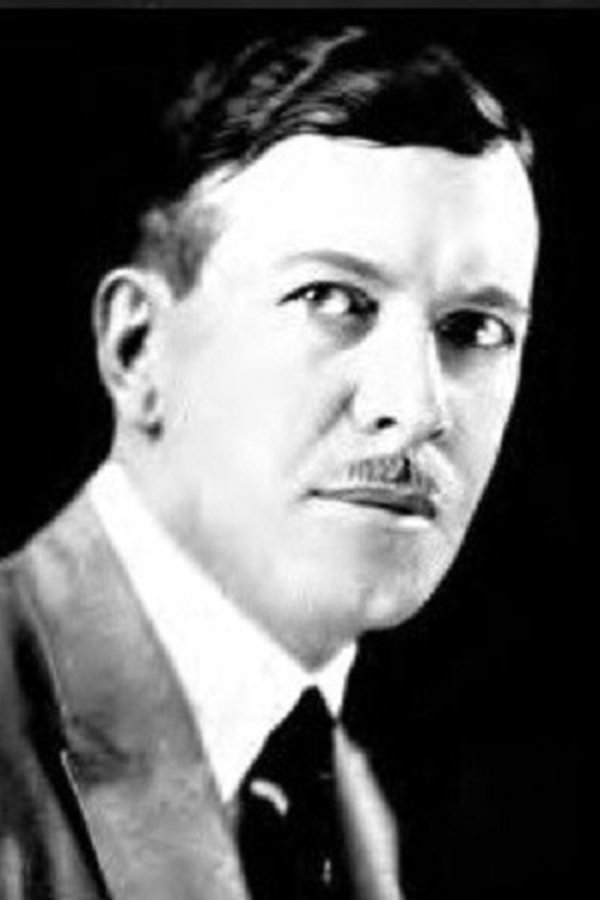
In 64 A.D., Marcus Superbus is Prefect of Rome. When the Emperor Nero decides to renew persecution of the Christians, Marcus opposes him, fearing for the safety of Mercia, the Christian woman whom he loves. Through the machinations of the Empress Poppaea and other women at court, Tigellinus, Nero's agent in the war against the Christians, convinces Nero to have Mercia arrested. Marcus appeals to the emperor for mercy, but is told that she can be saved only by renouncing Christianity. Waiting to enter the arena to be killed, Mercia steadfastly refuses to reject her religion, despite Marcus' pleas. Finally, Marcus is converted by her and they enter the arena to face death together.
An analysis on how the Garfield movie fails to represent the characters it is adapting, especially the women, by removing their best characteristics.
Like Fourth of July fireworks, the film Honey Don’t is colorful and fun to look at, delivering many bangs (sex and guns!) for your buck before quietly fading out.
Who knew a drunken game of truth or dare could launch one of the most chaotic rom-coms of the year? The Threesome takes Connor’s fantasy night with Olivia (Zoey Deutch, in peak queen-of-indie form) and Jenny (Ruby Cruz) and flips it into a deliciously messy nightmare when both women end up pregnant. What follows isn’t cheap comedy—it’s a whip-smart, heartfelt exploration of love, consequence, and the beautiful disasters we call adulthood.
The roaring emotional ride that was the season four finale sets June on a new path: more of a Survivor's Journey.
"Come Play" was entertaining and had some great ideas about how to scare children away from playing with facial recognition settings.