

‘The Wrong Missy’ is a Miss
The characters aren’t likable, the story is predictable and the humor is either disgusting, obnoxious, or uncomfortable. The Wrong Missy is a mess of a film and it’s not really worth your time.
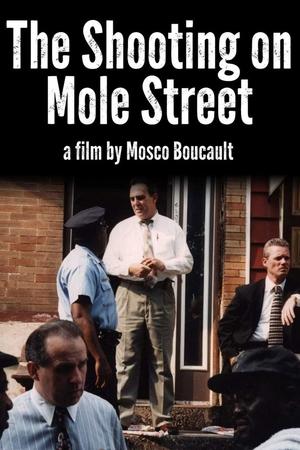


On March 1, 1996, 15-year-old Shafeeq Murrel was killed on the street in South Philadelphia — innocently caught in the crossfire between rival pairs of crack dealers out for revenge. Shafeeq’s murder was one of 435 in Philadelphia that year, and it was soon shelved as a cold case. Then, detectives David Baker and Julie Hill took it on— two middle-aged white cops working a Black neighborhood in their battered Plymouth Gran Fury. Filmed like a taut police procedural, THE SHOOTING ON MOLE STREET chronicles the investigation, as Baker and Hill knock on doors, shake down dealers, and beg, threaten and cajole residents in an effort to get someone — anyone — to talk. Baker rejects any accusation of police racism in the unsolved murders of young Black men. Isn’t he out here trying to close the case? But racism is more complicated than intent.
The characters aren’t likable, the story is predictable and the humor is either disgusting, obnoxious, or uncomfortable. The Wrong Missy is a mess of a film and it’s not really worth your time.
The Loud House movie follows Lincoln Loud and his 10 sisters taking a family vacation to see their ancestors in Scotland.
One of the reasons I love watching movies is that, much like books, they serve as windows into other times and different places. Productions from around the world offer valuable insights into the history and culture of their respective countries. And just like literature, cinema can help us understand the present by showing us the past.
A smashing sequel to the first Sonic the Hedgehog film that also brings back elements from the popular video game series.
The justice system in the United States of America is supposed to operate as you are deemed innocent until proven guilty. But "When They See Us" shows what happens for Black people is they are deemed guilty until proven innocent.