

Asha's 'Wish' (2023)
Asha, the main character, is a biracial woman who discovers the power of magic wishing dust.
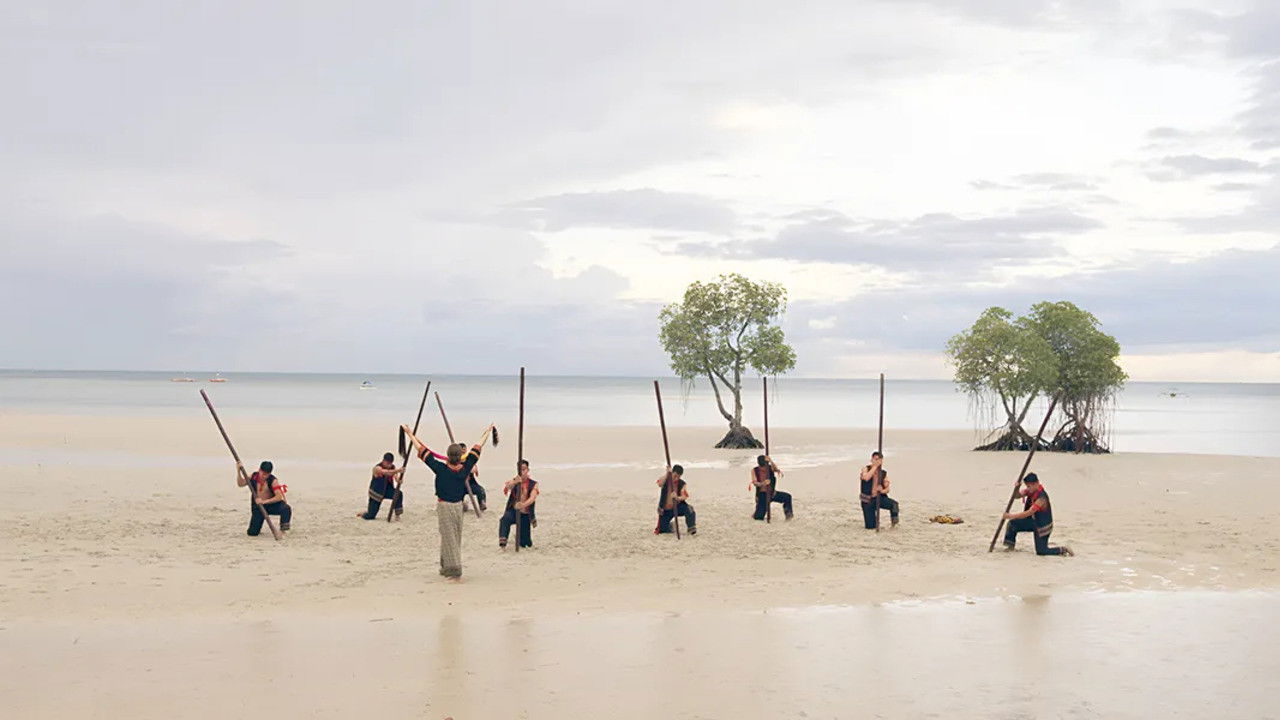
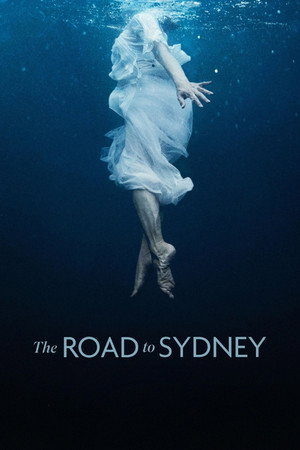


A documentary that follows the life of Jay Loyola, a Filipina transgender dancer and choreographer, from her early years training and performing traditional dance in the Philippines to her later move to the United States. After transitioning and taking the name Sydney, the film documents the practical consequences of this change, including job loss and housing insecurity. Shot over several years, it traces her movements between the U.S. and the Philippines and her decision to return home, where she revisits places from her past, reconnects with family members, and continues her artistic practice.
Asha, the main character, is a biracial woman who discovers the power of magic wishing dust.
In this short film, writer/director Nikita Hattangady focuses on Jai, a starving artist rooted in the latter category. Though unhoused, he works hard.
What can I say about this Will Ferrell/Julia Louis-Dreyfus-led “dramedy?” Well, the comedy part of Downhill is completely non-existent. And I should have known that the film was a flop when I walked into an empty theater at a prime time on a Friday night.
Throughout Brendan Fraser’s career, he has played a plethora of unique, layered characters who explore the importance of not being afraid to display your emotions, something that is often seen to not be a masculine trait. This idea of regulating emotion and what traits men are able to possess creates a toxic atmosphere for men who are often told they should not cry or represent their emotions in any physical way. These characters represent that men can be joyful, emotionally conscious, and sensitive, while also representing their masculine identity instead of painting those qualities as fighting against their masculinity.
Marcel the Shell with Shoes On is the most human movie of the year. It is based on the 2010 short of the same name that follows a big-hearted, little shell named Marcel as he navigates through life in a human-sized world.
This animated Christmas movie is based on the classic novel of the same name.