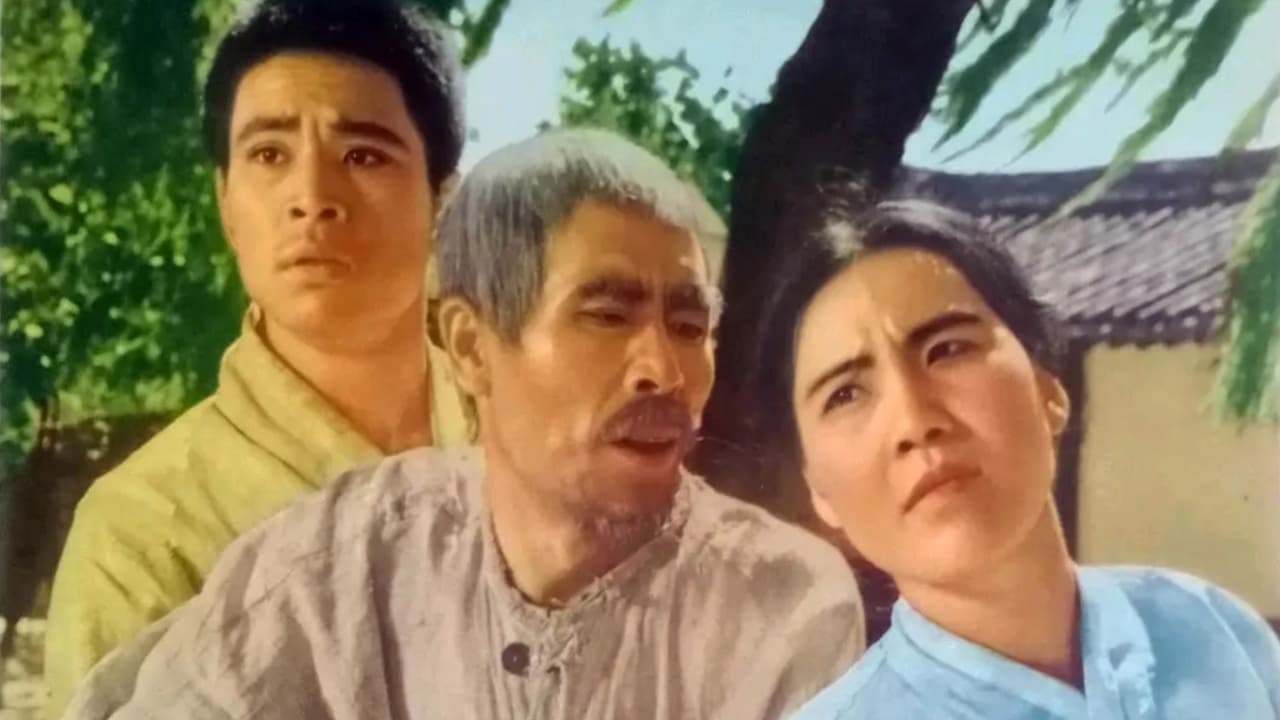

The Regained Name
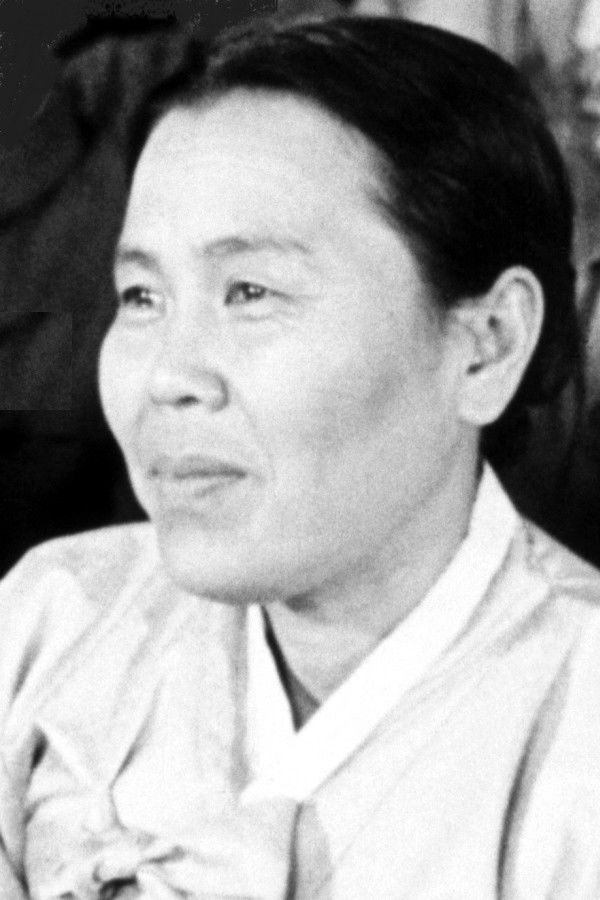
The landlord kidnaps the child because of the family's debt. When a new life begins after being released, the kidnapped Sunhi regains her real name and mother after 30 years thanks to the assistance of the new government.

- / 5
PopScore
Representation
Pictures and Videos

Movie Information
The landlord kidnaps the child because of the family's debt. When a new life begins after being released, the kidnapped Sunhi regains her real name and mother after 30 years thanks to the assistance of the new government.
Rating:
Genre:Drama
Written By:Jung-heung Ra
In Theaters:
Box Office:
Runtime:
Studio:Korean Film


Articles You May Like
Why You Should Know About 'Welcome to Chechnya', One of 2020's Most Thrilling Films
Documented human suffering is never easy to view or read about and is understandably triggering for many people, but it can be educational, and education is a key to change. An overwhelming amount queer people worldwide (and in my own country) have it far worse than I could imagine, and documentaries such as Welcome to Chechnya bring issues to light that certain groups of people would never see.
Ryan Coogler's Sinners Turns Horror into History
Set against the backdrop of the Jim Crow era, the film offers layered representation.
Sirāt: No Lesson to Learn
The one-way journey went to the desert that refused to offer an answer or a transcendence.
Why Trans Women Can’t Have a ‘Promising Young Woman’ Yet: A Lesson from ‘Sleepaway Camp’
For anyone who is not a cis white woman, a justice-fueled murderous rampage is not framed as liberation. Instead, they contribute to harsh stereotypes that vilify minority women with dangerous consequences.
The Drama: A Marriage of Discomfort and Empathy
This is not a film, it’s a drop tower. A drop tower that you don’t get off of for the vast majority of its 106-minute runtime.