
Māhū—Reclaiming what’s rightfully theirs
Why did Māhū, a term once respected in Hawaiian culture, become so controversial?
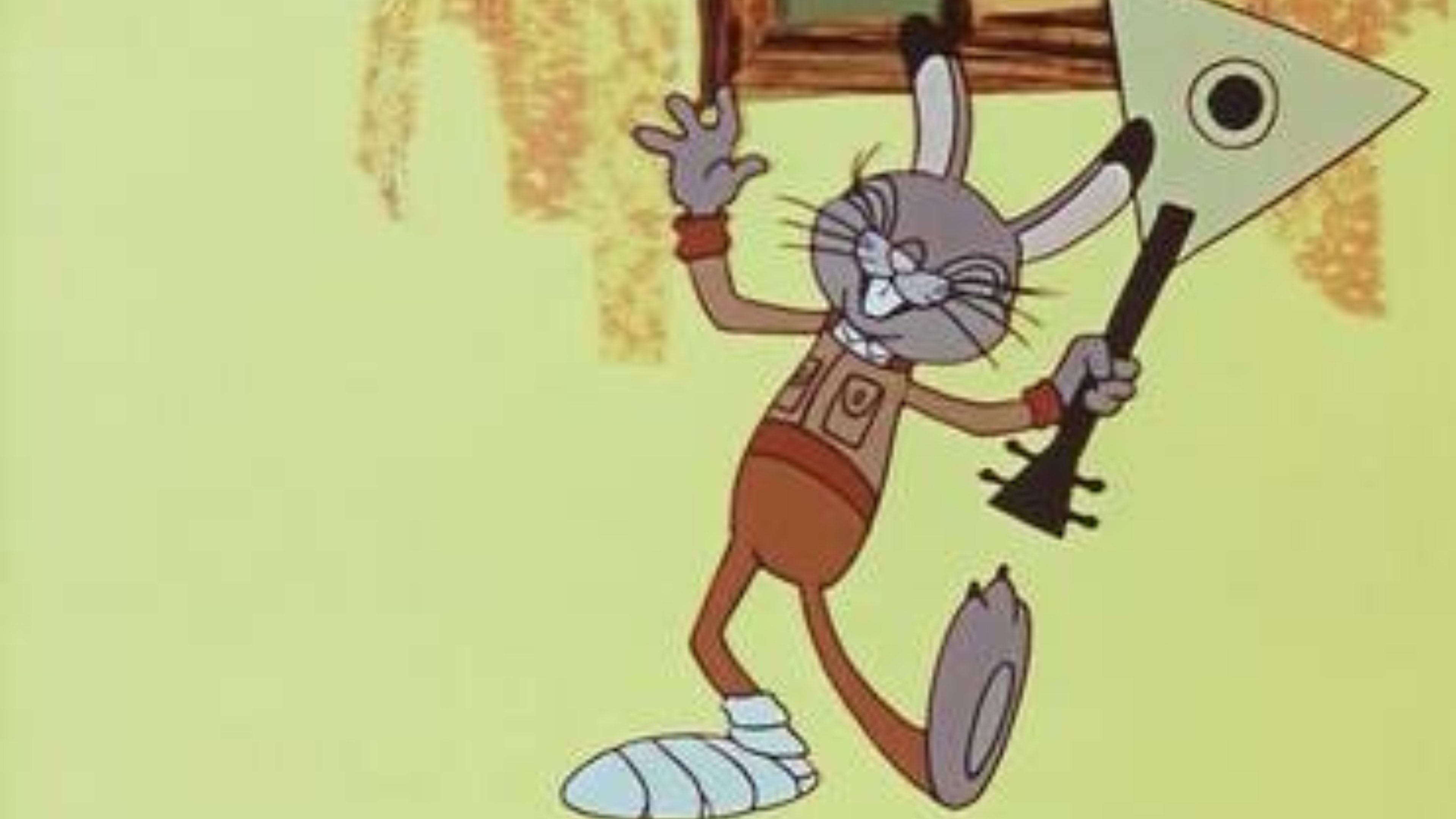



A little rabbit constantly pretends to be sick to exploit the kindness of a bear, but his trick is eventually uncovered, revealing a fable about trust and sincerity
Why did Māhū, a term once respected in Hawaiian culture, become so controversial?
What makes the lighting in Casablanca even more impressive is how it reflects the emotional states of the characters without needing explicit dialogue.
Facing the world with our fair share of uncertainties and/or apprehensions, many of which, sadly, may be well-founded, is nothing to sneeze at. Influenced and buffeted by the constant barrage of social media, fake news, and general upheaval present in our contemporary reality, what IS real and what's not becomes a blur.
Netflix’s new comedy drama, Don’t Say Good Luck, is a heartwarming tearjerker as well as a love letter to the transformative power of being a theater kid. Directed by Julia Hart, Don’t Say Good Luck follows Sophie (Sunny Sandler), a theater kid who finally gets the lead role in her school’s production of Waitress - just as she finds out her mom Elizabeth (Melanie Lynskey) is dying of cancer. While the singing is by no means spectacular and Sandler’s acting is stiff, the film is grounded in the moving performance of Lynskey as a mother who wants nothing more than for her daughter to achieve her dreams, even if she can’t be there to see them.
While it initially sounds nothing like 'Nope,' the focus on recording/sharing everything—especially trauma—for profit makes Hulu's 'Not Okay' similar to Jordan Peele’s newest movie.
Throughout Brendan Fraser’s career, he has played a plethora of unique, layered characters who explore the importance of not being afraid to display your emotions, something that is often seen to not be a masculine trait. This idea of regulating emotion and what traits men are able to possess creates a toxic atmosphere for men who are often told they should not cry or represent their emotions in any physical way. These characters represent that men can be joyful, emotionally conscious, and sensitive, while also representing their masculine identity instead of painting those qualities as fighting against their masculinity.