



Incluvie – Better diversity in movies.
Identity in film with Incluvie stamps, scores, reviews.

Incluvie – Better diversity in movies.
Explore identity in film with Incluvie stamps, scores, reviews, and insights.

trailer banner
The Perfect Arrangement poster

The Perfect Arrangement 

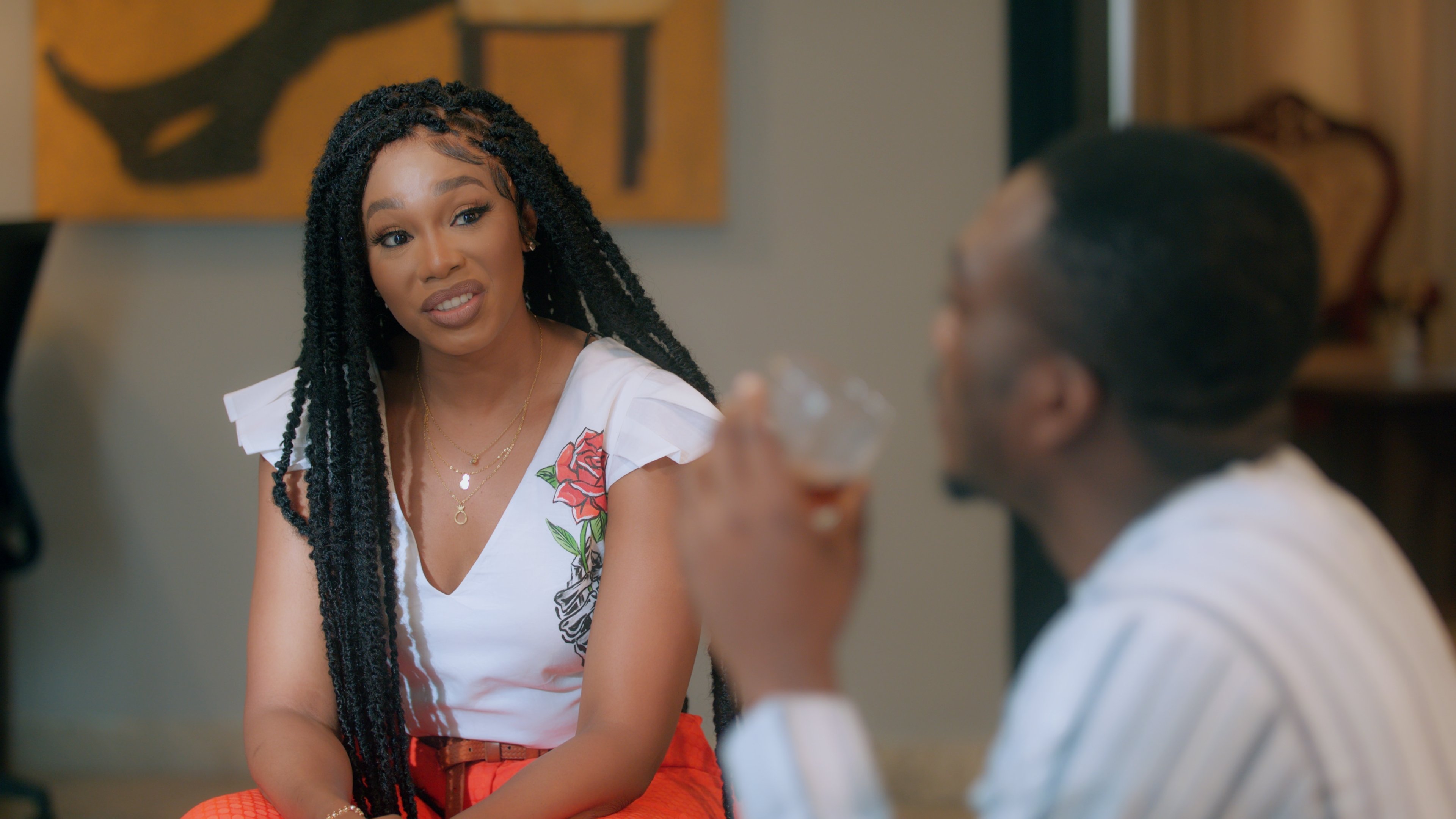
Tade, a free-spirited scion of a respected political family, is living her best life and without a care in the world. However, things get complicated when she develops feelings for Chidi, a fast-rising politician who also happens to be her EX and Cheta, her best friend. As if that wasn’t bad enough, Chidi and Cheta are brothers.
- / 5
PopScore
Representation

Pictures and Videos


Incluvie Gala

Movie Information


Tade, a free-spirited scion of a respected political family, is living her best life and without a care in the world. However, things get complicated when she develops feelings for Chidi, a fast-rising politician who also happens to be her EX and Cheta, her best friend. As if that wasn’t bad enough, Chidi and Cheta are brothers.

Rating:
Genre:Comedy, Romance
Directed By:Chinaza Onuzo
Written By:Chinaza Onuzo, Pemi Elujoba
In Theaters:
Box Office:

Runtime:112 minutes
Studio:InkBlot Productions

Articles You May Like


How ‘Billie Eilish: The World’s a Little Blurry’ Humanizes Child Stars

When they’re young, they’re America’s darlings but, when they become teens and adolescents, they’re instantly perceived as harbingers of immorality. They’re Lindsay Lohan, Macaulay Culkin, Justin Bieber, and Britney Spears. But, despite what many media outlets, politicians, and the general public may think, they are human beings above anything else. The new Billie Eilish documentary, Billie Eilish: The World’s A Little Blurry, proves this — showing the trials, tribulations, and humanity when growing up with all the world’s eyes on you.

Aspen Nelson

"The Father" is a Depressing But Insightful Look at Dementia

With The Father, writer-director Florian Zeller- who wrote and developed the play upon which the film is based- pulls no punches as he confidently makes every effort to put the audience in the mind of someone whose grip on reality has all but vanished. It’s a dazzling testament to Zeller’s abilities as a director as he makes his first transition from stage to film appear as if he’s been working behind a camera his entire career. The dialogue he fashions with co-writer Christopher Hampton, along with the work of production designers Peter Francis and Cathy Featherstone, collectively makes the downward spiral of dementia startlingly tangible, doing so in a way that can be comprehended by everyone except the person it directly affects.

Matt Geiger