



Incluvie Classics: Strong Women and Gender Expression in Alfred Hitchcock's “Psycho.”
Alfred Hitchcock’s 1960 film "Pyscho" is an American film classic that still resonates today.

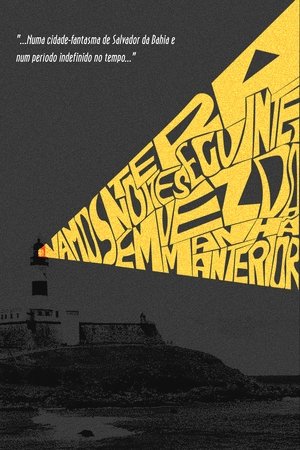


In a ghost town of Salvador da Bahia and in an undefined period of time, Cleo sees herself pierced by two antagonic feelings: the loneliness of the physical and political ruins from an once free place, and the hope she keeps in the last relationship that remains in her life - a childhood friend, perhaps an old and latent flame.
Alfred Hitchcock’s 1960 film "Pyscho" is an American film classic that still resonates today.
The second entry of the Five Nights at Freddy’s series released recently, garnering very divisive reviews amongst both fans and critics.
Years before Mexican director, Alfonso Cuaron, was winning Academy Awards for movies like Gravity (2013) and Roma(2018), he directed a small, intimate film about two best friends who decide to embark on an improvised road trip to spend time with an older, attractive woman who miraculously agrees to go with them. Y tu Mamá También is a deep journey into the raw sexuality and friendship of the young protagonists, as well as a subtle social and political commentary on Mexico at the time.
With The Father, writer-director Florian Zeller- who wrote and developed the play upon which the film is based- pulls no punches as he confidently makes every effort to put the audience in the mind of someone whose grip on reality has all but vanished. It’s a dazzling testament to Zeller’s abilities as a director as he makes his first transition from stage to film appear as if he’s been working behind a camera his entire career. The dialogue he fashions with co-writer Christopher Hampton, along with the work of production designers Peter Francis and Cathy Featherstone, collectively makes the downward spiral of dementia startlingly tangible, doing so in a way that can be comprehended by everyone except the person it directly affects.
Telling a story about the French and Indian Wars from the perspective of the British prioritizes the perspective of the colonizers.