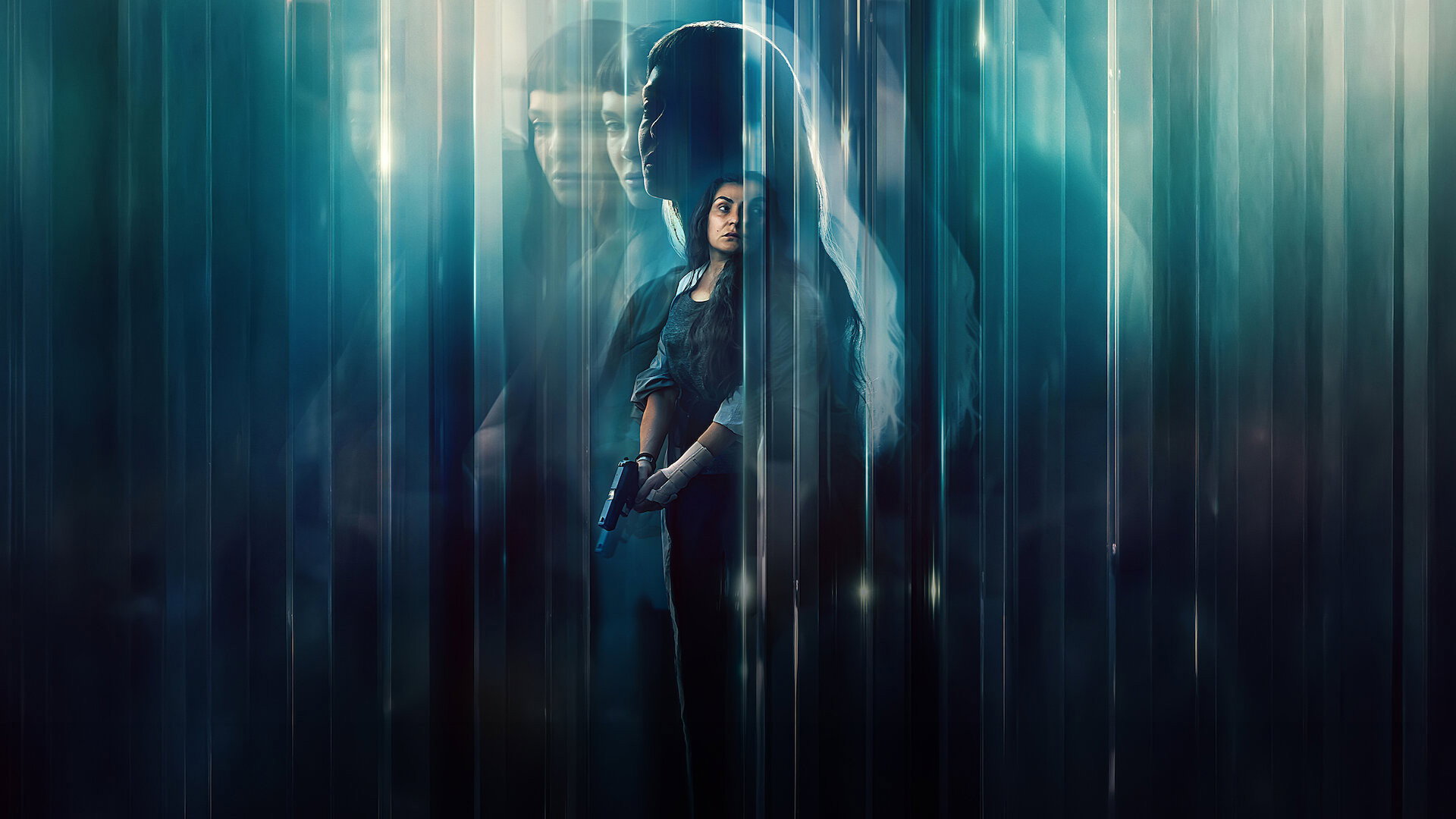
Netflix’s new mystery thriller, The Marked Woman (released originally as La Desconocida), is confusing. More critically, though, it commits the worst mistake a movie can make: it’s boring. From Spanish director Gabe Ibáñez, the film squanders its premise at every turn, fills the story with unlikeable characters, and lacks emotional payoff.
The film opens on a woman named Lucia (Kira Miró), who we come to find is a confidential informant in a human trafficking ring that has been coerced into accusing her supervising officer, Quique Zárate (Pol López), of corruption. Lucia is manhandled away and taken to a bus station, where she sneaks off to the bathroom and hands a woman (Ana Rujas) a piece of paper under the stall. We cut to three months later - that unnamed woman from the stall is discovered chained up and tortured in a storage container. She has no memory of who she is or what has happened to her.
After this, the rest of the movie collapses into gritty detective tropes, where we follow disheveled detective Anna Ripoll (Candela Peña ), who finally gets her boss to let her back on the job. You see, she’s disheveled because she's been grieving after her brother recently jumped off a balcony. Of course, no one else wants the case of the missing woman, so it lands on Anna’s desk. The rest of the movie largely focuses on Anna’s rogue investigation of the mysterious victim in the shipping container, shown through disjointed, tropey scenes of a classic troubled detective: Anna’s boss tells her she’s working too hard, she bows her head in exhaustion and pops a mysterious pill, she looks wistfully at a mirror and sees visions of her dead brother, she perseverates over his last unplayed audio message from before he died.