




"Waves" Goes the Wrong Direction in Racial Depiction, Despite Its Intent and Beauty
Spoiler Warning
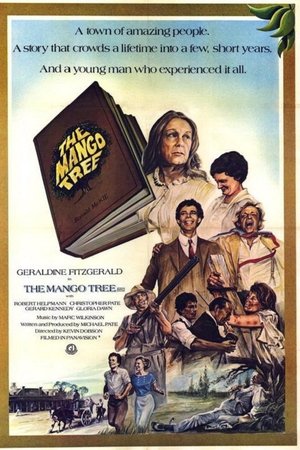


Jamie Carr is a young man growing up in Bundaberg, Northern Queensland during the closing years of World War I. Jamie, who is in his final year of high school, was brought up by his grandmother. Grandma Carr is known and loved by all in the town, and does her best to help Jamie through the emotional turmoil of adolescence and a society struggling under old traditions and beliefs in a new country.
Spoiler Warning
An enchanted school for young heroes and villains brings the battle between good and evil in this fantasy movie.
The sparks of a dangerous conspiracy ignite a mystery in this sequel based on the mysteries of Sherlock Holmes.
Step deep into the 21st century and discover the complexities of artificial combat soldiers.
In Spike Lee’s She’s Gotta Have It (1986), we follow the love life of powerful female protagonist Nola Darling (Tracy Camilla Johns) and explore the relationship dynamics she has with her partners. She sees three men simultaneously: Greer Childs, (John Canada Terrell) Mars Blackmon (Spike Lee), and Jamie Overstreet (Tommy Redmond Hicks). Though an 80’s film, She’s Gotta Have It is surprisingly progressive with its themes of female sexuality, although at some points in the film it is handled clumsily. Overall Nola is an incredibly compelling character especially for modern women, as we as a society acknowledge female sensuality more and more without the negative stigma.
An action film led by two queens, fighting for what they believe in through power and pain.