




'Malignant': A Fun, Wacky Horror with Feminist Undertones
Malignant is a roller coaster ride of slow-build scares, moments of wonderfully absurd camp, and explorations of autonomy.
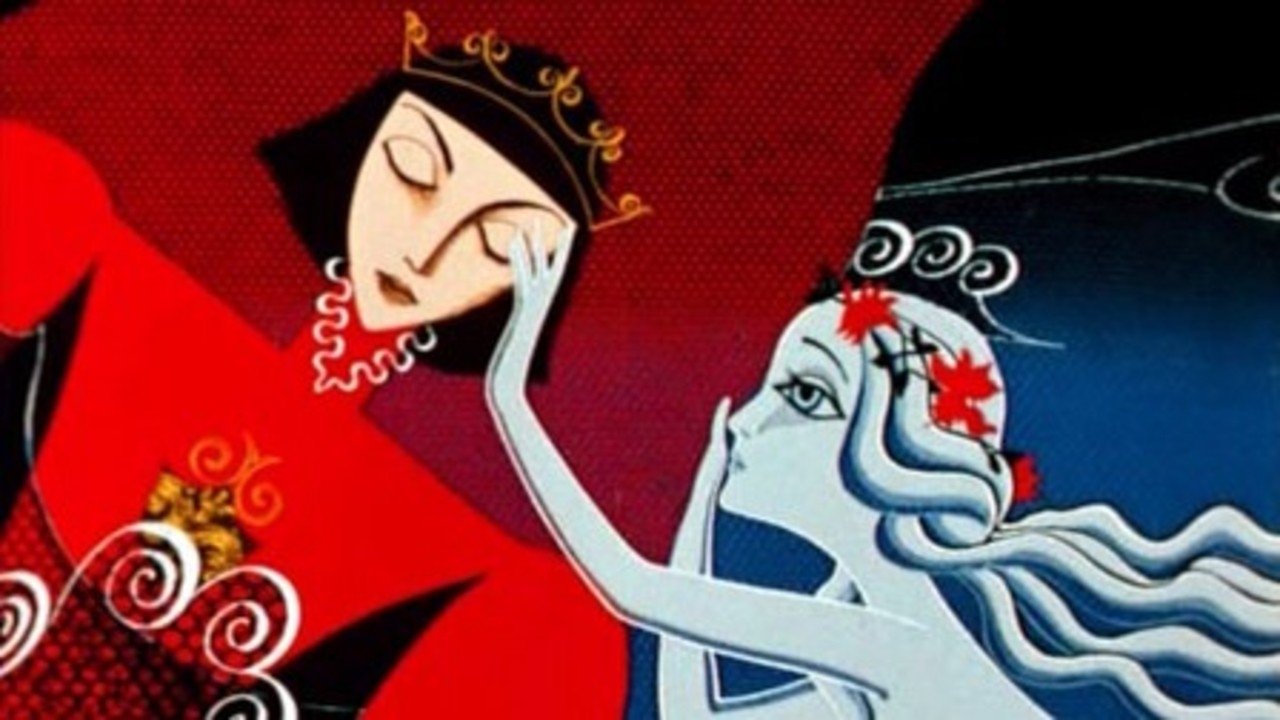
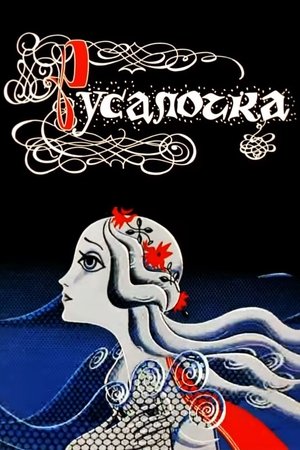


Rusalochka opens in modern day Copenhagen, Denmark. Several tourists gather around the capital's famous mermaid statue, as a tour guide explains its significance. A fish in the water below the tourists scoffs at their foolishness, and then, proceeds to tell about the doomed love of the mermaid. Upon reaching her 15th birthday, the Little Mermaid is allowed to swim up to the surface above. As soon as she does, however, the Mermaid spots a young prince caught up in a dreadful storm. She admires the man's bravery and decides to save him, declaring that, "The beautiful and the brave should not perish." After the mermaid returns to the ocean, she decides that she wants to become human.
Malignant is a roller coaster ride of slow-build scares, moments of wonderfully absurd camp, and explorations of autonomy.
My review’s title is a nod to Shakespeare and is entirely deliberate. The original movie portrayed the high-end fashion world as a brutal arena of plotting, backstabbing, and betrayal, and most Shakespeare’s plays depend on these plot devices. The Devil Wears Prada 2 uses the same formula, and is, plot-wise, almost identical. Once again, we plunge into the cutthroat world of Runway, where to get and stay at the top, you must let go of your principles and moral sense. The only thing different is that due to the digital era, Runway is not a print magazine anymore, but one that is running online.
Disney’s Hunchback of Notre Dame is a unique film coming from the same studio that brought us The Little Mermaid and Aladdin. While it does have its silly moments to maintain Disney’s family-friendliness, it also carries themes that stick to audiences years after its release.
The cancelling of these series is being blamed on the writers' strike and low viewership, but it's just the latest example of the industry's lack of appreciation for stories about queer women.
This coming-of-age movie based on the 1970 book by Judy Blume gives viewers a scope on female topics in the quest for a religious identity.