Dead Poets Society Steals a Queer Story
Dead Poets Society relies on patriarchal tropes such as overbearing fathers, contrived brotherhood, and faux-individuality in order to portray its straight white male characters as oppressed.




Teenage inventor Miles Fletcher unlocks the lost secret to limitless energy, catching the attention of Luxos Energy, a corporation posing as heroes. Just as he perfects his invention, they betray him—stealing his work and shutting him out. With nowhere to turn, Miles must decide—give up or trust his friends and fight back. In a high-stakes battle of ingenuity vs. industry, he races to stop Luxos before they turn his discovery into a weapon.
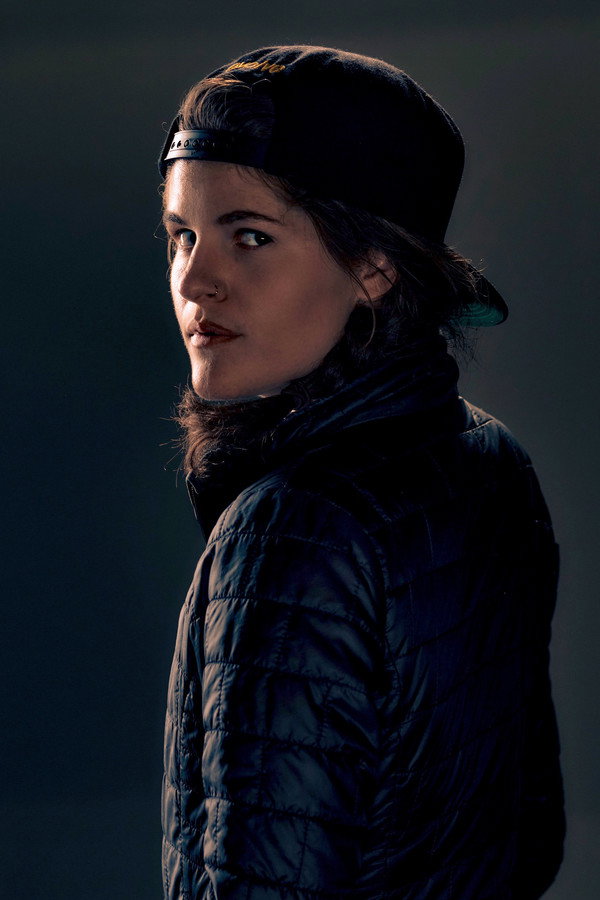
Kali Bailey
Director


Andrew Reid
Miles Fletcher
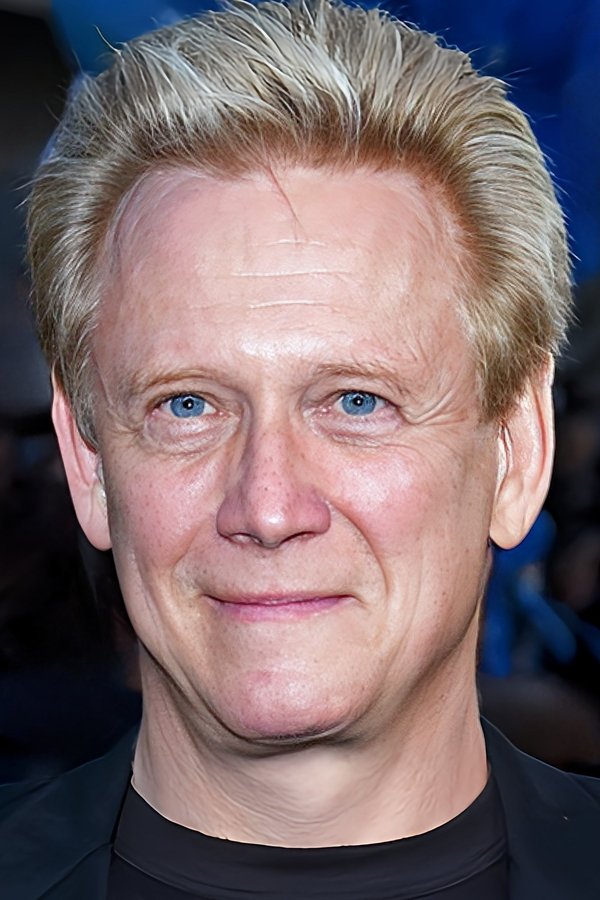
Bruce Davison
Nikola Tesla

Rose Reid
Kennedy Blake

K.C. Clyde
Bill Fletcher

René Ashton
Catherine Blake

Dean Shortland
Gerald Cooper
Richa Chandra
Professor Adel Davarr
Callan Berry
Young Miles Fletcher
Neil Kelly
Micah Miller

Lindsey Shope
Regina Fletcher
Sienna Ribeiro
Piper
Dead Poets Society relies on patriarchal tropes such as overbearing fathers, contrived brotherhood, and faux-individuality in order to portray its straight white male characters as oppressed.
During the rise of fascism in Mussolini's Italy, a wooden boy brought magically to life struggles to live up to his father's expectations.
Typically in film, characters suffering from mental illness are used as plot devices or exaggerated for comedy. 'The House that Jack Built's representation exceeds in accuracy and realism of OCD.
The Fog follows more of a 1950s creature feature plot than a late-70s slasher with three legendary scream queens.
Netflix's Afterlife of the Party might fall into the rom-com genre, but it's much more about grief, strong female friendships, and platonic love than it is about romance.
It doesn’t offer an absolute answer for the dialectical ethical questions that emerged in search of justice but portrays the characters as living people beyond the identities of victims.