


'The Dinner Party' — MiamisFF Review
A young woman finds herself trapped in a crossfire of awkwardness during a nightmarish dinner party with her boyfriend's dysfunctional family.

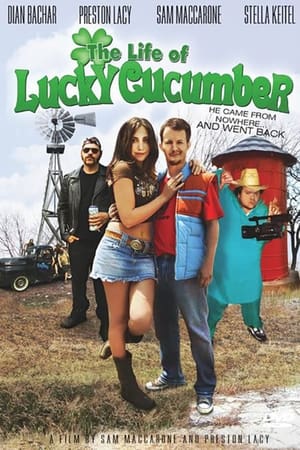
Wannabe filmmakers Phillip Fellini (Sam Maccarone) and Forrest Fonda (Preston Lacy) think they've found the subject of a lifetime when they meet a cave-dwelling, beer-swilling Missouri backwoodsman named Lucky "Cucumber" Cavanaugh (Dian Bachar), rumored to be the unluckiest man alive. But when Lucky's fortunes begin to turn, he and the filmmakers end up on a wild adventure in a comic mockumentary.
A young woman finds herself trapped in a crossfire of awkwardness during a nightmarish dinner party with her boyfriend's dysfunctional family.
Not only does the system prevent upward mobility, but it makes it incredibly easy to slide from comfortably middle class to unhoused.
Complex relationships between mothers and daughters are far from a new concept, whether the strain comes from abandonment, beliefs, or trauma. In My Only Wish, an Incluvie Film Festival submission, Brenda Gutierrez’s take on her character’s maternal divide comes in the form of abandonment.
With mismatched eyes, a willingness to experiment with hair color and style, and a rail thin frame, Bowie always drew attention. But he shunned gendered attractiveness, creating his own space somewhere in between. This hallucinatory and often nonlinear 2022 documentary is a perfect salute to David Bowie’s life and career. Rather than interviewing those that knew Bowie, the standard convention for biographical portraits, director Brett Morgen mostly lets the artist’s images, performances, videos, and words speak to capture the essence of the artist. Bowie was more than just a pop star. He painted, sculpted, acted in films, and was a thoughtful and articulate person who gave sincere answers to even the most shallow interview questions.
Throughout Brendan Fraser’s career, he has played a plethora of unique, layered characters who explore the importance of not being afraid to display your emotions, something that is often seen to not be a masculine trait. This idea of regulating emotion and what traits men are able to possess creates a toxic atmosphere for men who are often told they should not cry or represent their emotions in any physical way. These characters represent that men can be joyful, emotionally conscious, and sensitive, while also representing their masculine identity instead of painting those qualities as fighting against their masculinity.