











Is Love Blind? No! I Don't Think It Is.
Love is Blind Season 2 is the perfect reality show to tie a viewer over until the next season of Bridgerton. Check out Love is Blind Review Season 2
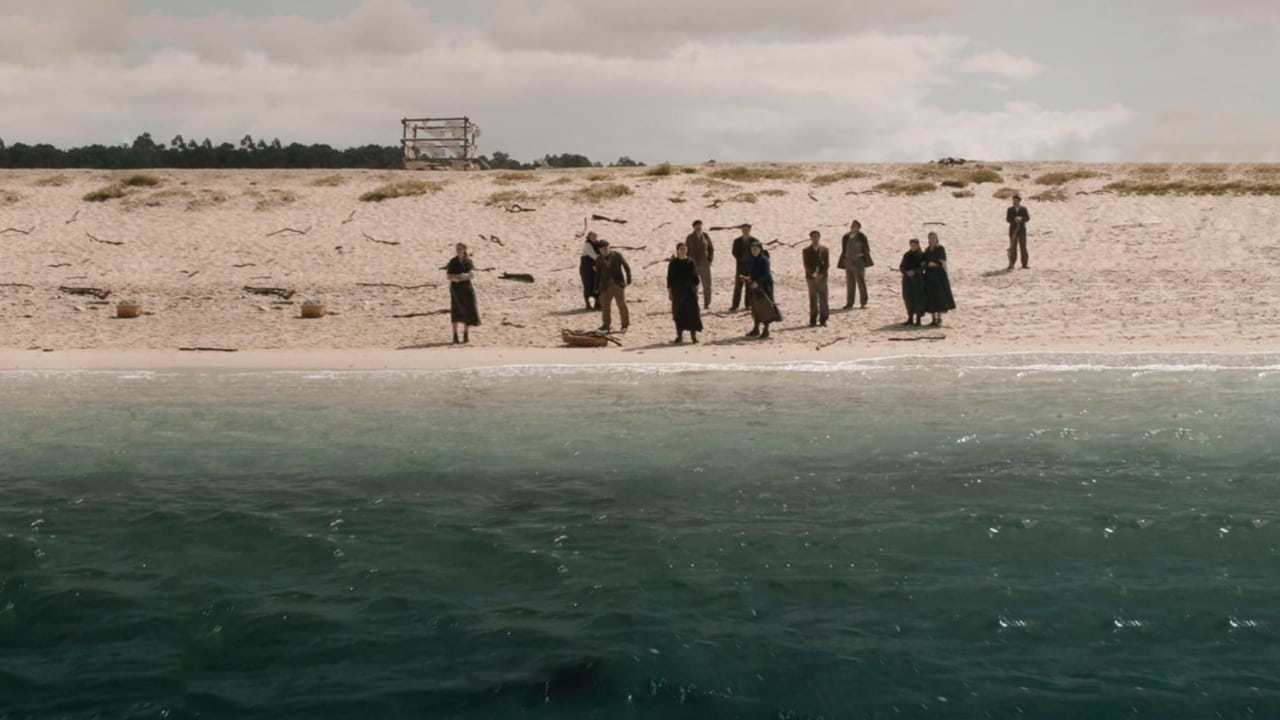
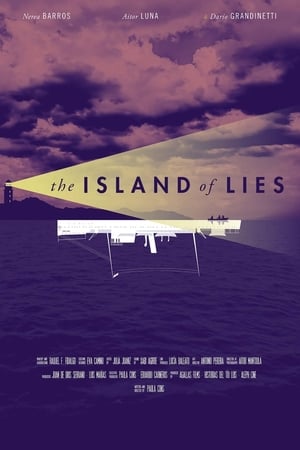


Galicia, northern Spain, January 2, 1921. The steamship Santa Isabel, sailing towards Argentina with more than two hundred emigrants on board, sinks off the coast of Sálvora Island. Three island women, María, Josefa and Cipriana, who have bravely set sail aboard a fragile skiff to save the shipwrecked, are treated as heroes by the cynical authorities; but León, an inquisitive and tenacious Argentinean journalist, starts asking uncomfortable questions.
Love is Blind Season 2 is the perfect reality show to tie a viewer over until the next season of Bridgerton. Check out Love is Blind Review Season 2
American Fiction is a genuinely entertaining film with a few lessons.
Andor is an origin story where each side will do whatever it takes.
“And I think to myself….what a wonderful world”. Louis Armstrong sang about this notion via his classic 1967 song, an ode to witnessing elements of our life that should be but some reminders of exactly what that concluding line of each verse indicates. Now we see our contemporary realities and, just being honest, it makes a sentiment like this seem SO overtly far away….perhaps even impossible….to accept or believe could be. It sounds harsh, but again, so much of what is occurring speaks not to beauty, but bedlam.
'Jungle Cruise' is fun if you can ignore the racism of the ride it’s based on and the film’s bland, stereotypical characters.
The film blends reality and the supernatural world together, leaving the viewer unsure of what’s real and what’s merely a figment of Michael’s agitated imagination.