I have never downed a bucket of popcorn so fast.
“Thanks, I hate it” is a phrase that popped in my head while watching The Invite. For the first ten minutes, I didn’t really get it. Then for another twenty or thirty minutes, I thought it was expertly made, but ultimately didn’t resonate. Then that sentiment went out the window, and I was blown away. The Invite is phenomenal.
A remake of the Spanish film Sentimental, The Invite debuted at Sundance this year, before being picked up by A24 and released in the middle of July. Any hopes of this movie becoming a popular hit in the same manner as The Drama and Obsession were probably dashed by being released in the middle of a busy summer movie season, most notably a week before The Odyssey took the world by storm. But if you can, make the effort to see this movie. It’s worth it.
Sentimental itself was based on a play, and that comes across in The Invite. Minus a brief cameo by the main character’s students well before the title card drops, there are only four characters in the entire film, and it takes place in one house in only a handful of rooms. Each room is disorganized in some way, whether it be dishes all over the kitchen, or a wall that desperately needs new paint, or a bathroom filled with pill bottles, reflecting the dysfunctional nature of the relationship at the core of the film.
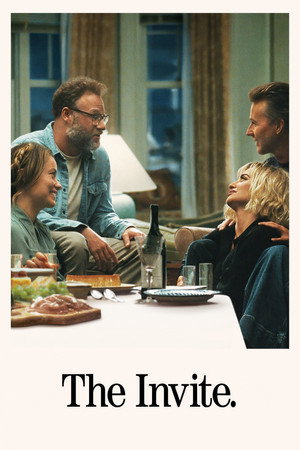
The primary aspect that makes the film soar is the acting. Seth Rogen, Olivia Wilde, Edward Norton, Penélope Cruz are the names most people have heard of, so expectations are already highly, but those expectations are thrown out the window and into a bookshelf. This is Seth Rogan’s best role in a long time. Maybe ever. Far from his usual loud, bombastic, and highly inappropriate roles in disasters like Animal Farm, this role is…well…loud, bombastic, and highly inappropriate. But in a good way. Instead of being the in-your-face comedian, he plays an honest rendition of a miserable man who is good at heart but says and does horrible things in the midst of his frustration. Which is exactly what Olivia Wilde’s character does as well, and yet they are so naturally in opposition to each other. Slowly over the film, Cruz and Norton’s characters transform from being third-party observers to participants in the madness and back again. It is a sight to behold.
But the actors wouldn’t be enabled to display such expertise in their craft if it weren’t for the script. Written by Will McCormack and Rashida Jones, The Invite carefully balances being a hilarious comedy with being an insightful character study. Within that element of hilarious comedy is balancing being stressful and being funny. That means most of the time, we’re going back-and-forth between freaking out as we expect this powder keg to blow and laughing at the super witty dialogue, but we get relief from both elements when the film turns surprisingly sentimental. By the end, The Invite is warm, perhaps a little too warm, but either way it feels like you’ve just gone on an epic psychological journey through the lens of comedy. This is that kind of thing that makes you happy to be a movie fan.