'The Killer,' Sponsored by...
David Fincher is back in his playpen, with a dark and chilling thriller.


(Spoiler warning for major plot points and ending)
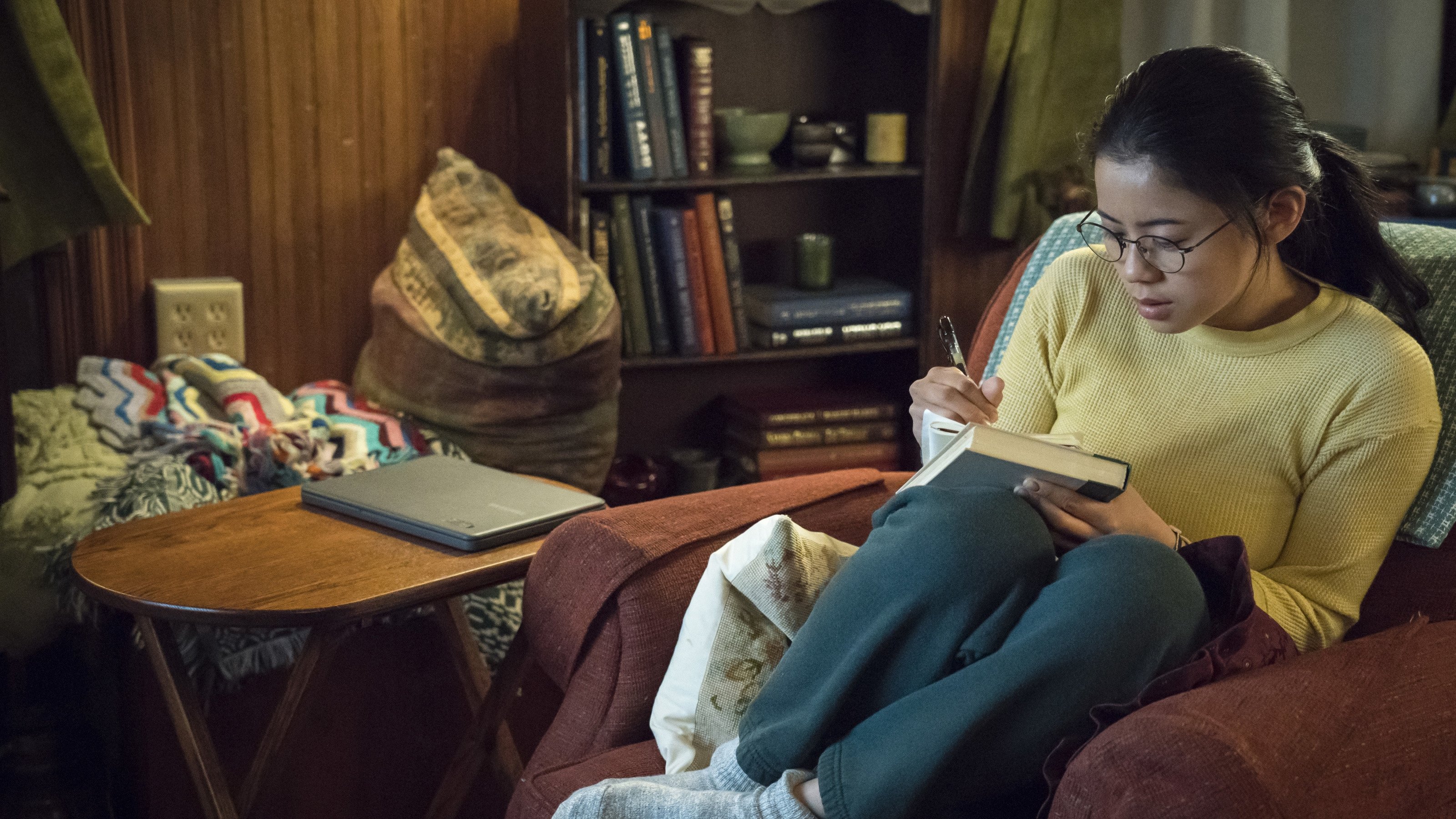
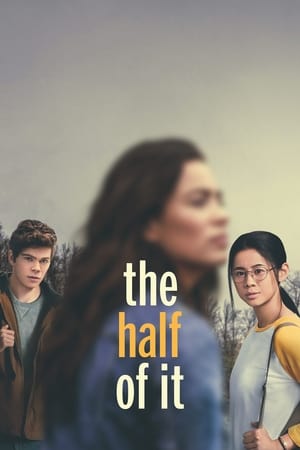
As we bridge from May, Asian American and Pacific Islander Heritage Month, into June, LGBTQ+ Pride Month, I find it only fitting to look at a film that captures both of these pieces of identity. The plot of The Half of it (2020) revolves around high schooler Ellie Chu (Leah Lewis) helping one of her peers, Paul Munsky (Daniel Diemer) win the attention and affection of a girl at school through writing love letters for him. The only catch- Ellie also develops feelings for their classmate, Aster Flores (Alexxis Lemire).
Residing in the small fictional town of Squahamish, Washington, right off the bat Ellie Chu is presented to the viewers as the odd one out among her peers. She’s not particularly popular, and in fact the only time other students seem to notice her is to a) Pay her to do their assignments for them, or b) poke fun at her for being Asian. Given that Squahamish is a pretty rural town, Ellie and her Dad seem to be the only people of color denizens. Her race isn’t the sole factor that differentiates her either, for in a location where the majority seems religious and the church plays a big role, she’s also revealed to be gay. Ellie does however find acceptance in Paul Munsky. While initially their relationship starts off somewhat shallow (Paul probably wouldn’t have even spoken to Ellie initially if he hadn’t had needed something from her), their friendship develops over the duration of the film and feels authentic. We can get the impression that Paul is one of the only students to take the time to actually get to know Ellie. Of his own volition he asks her about her interests, her deceased mother, and issues that are specific to her and her father having immigrated from Asia. She tells Paul of how Squahamish was initially supposed to be a starting point for her Dad working as a train station manager, and eventually they hoped he’d be promoted to system engineer. This never happened as Ellie explains to the jock, “It turns out speaking good English trumps having a PhD", bringing light to a harsh reality Paul was likely unconscious of, and potentially putting it in the mind of viewers as well who may have not given such issues much thought if it doesn’t apply to them. On the note of Ellie’s father, Edwin Chu (Collin Chou) , Paul forms a relationship with him as well from spending so much time at their home. Even with somewhat of a language barrier, Paul is able to forge a connection with his friend’s parent who in general is implied to be often dismissed from not speaking English fluently.
On Paul’s end, after a while he starts to see their friendship in a more romantic lens and moves his interest away from Aster to Ellie. Towards the end of the film after he tries to kiss Ellie (unbeknownst to them at first that Aster is watching) and she rejects him, becoming upset and flustered that her crush saw and stormed off. This clues Paul in that they liked the same person all along. When he's finally enlightened to Ellie being a lesbian, his first gut instinct is to reject her. Having grown-up in a predominantly Christian town, his entire life he’s been reinforced that any deviation from heteronormativity is evil. In that moment, it almost seems their entire companionship crumbles as he blatantly declares to Ellie that being gay is a sin and she’s dammed for hell. It’s only after having a heartfelt conversation with Ellie’s father where he questions the boy if he’s ever loved someone so much he wouldn’t want them to change, does Paul ease into acceptance. The two end on a positive note as he sees Ellie off on her train ride to start college out of town.
One of the other major relationships the film focuses on is Ellie’s connection with Aster. Although initially Aster doesn’t realize Ellie’s true identity as they converse, under the guise that she’s Paul, the chemistry the two have is undeniable. Both women are cultured, and are passionate about literature and the arts. They speak poetically to one another, and all their shared moments seem thoughtful. Even when face to face, in the context of interacting on a more friendly level than romantic, there’s an undeniable sense of compatibility. Besides the fact that it was wrong for Ellie to deceive her crush (especially for as long as she did), once her feelings are made known, Aster even admits that she’s thought of the possibility of them together. It’s bittersweet, as Aster can’t explore her true sexuality in a healthy in environment with her father being a lead figure in their church. There’s a sense of what could be under different circumstances. However, the film leaves us on a somewhat hopeful note for the pair as they share a kiss, and Ellie tells Aster that they’ll see each other in in the future.
The social issues The Half of it takes on are handled well, between the antagonization brought on to Ellie for her race and the conflict that arises from her being gay. Both aspects of her character are built up over the course of the film and don’t seem abrupt or rushed. The film shows racism towards Ellie and her and father in varying levels, from having her schoolmates specifically address her as "Chinese girl” to the fore mentioned way her Dad is treated due to language barriers. The same can be said about Ellie being a lesbian. While she never truly “comes out” in the narrative, that does not undermine her journey of self-discovery from being meaningful. These ideas aren’t thrust upon the viewer in a preachy manor, the scenarios that occur feel believable given the rural setting. The film presents watchers with problems whom those like Ellie may face, and leaves us to sit with them and reflect. While not rushed, I will say the movie had me wanting to see more, and I do feel it would’ve benefited from being at least a limited series as it had a lot going on in terms of plot. With more run time the narrative could go further in depth with the topics they wish to speak on, and character dynamics. For example, I would have loved to see more of Ellie’s father and how his character would respond to his daughter being gay, more of Aster interacting with Ellie after the reveal she was talking to her and not Paul, and so forth. It felt like there was more to be explored outside of the initial run time. It’s good to see such a positive portrayal of an Asian character, especially in a time of rising hate crimes against the demographic. I would give The Half of it an overall rating of 4.5/5, and an Incluvie score of 5/5.

Shy, straight-A student Ellie is hired by sweet but inarticulate jock Paul, who needs help wooing the most popular girl in school. But their new and unlikely friendship gets tricky when Ellie discovers she has feelings for the same girl.
Alice Wu
Director


Leah Lewis
Ellie Chu

Daniel Diemer
Paul Munsky

Alexxis Lemire
Aster Flores
Enrique Murciano
Deacon Flores
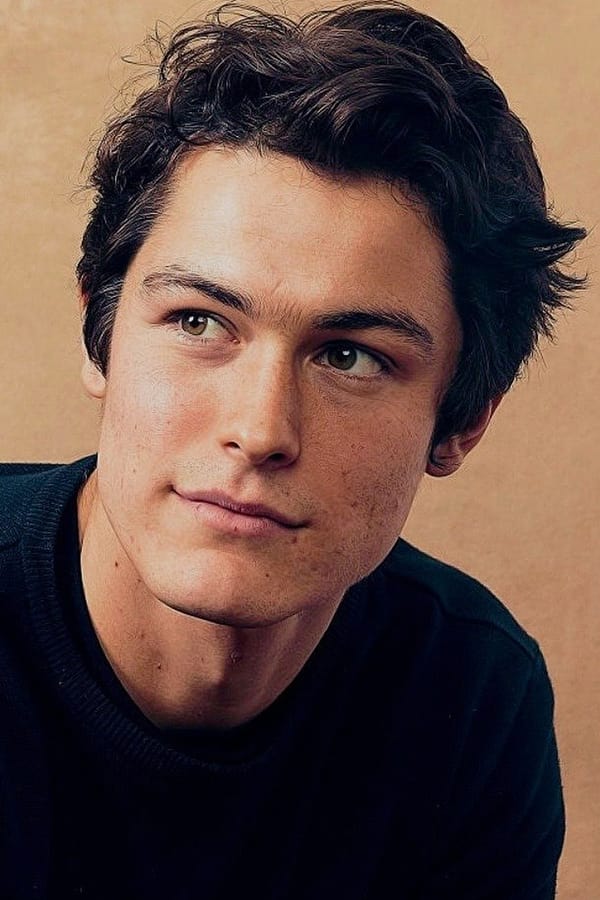
Wolfgang Novogratz
Trig Carson
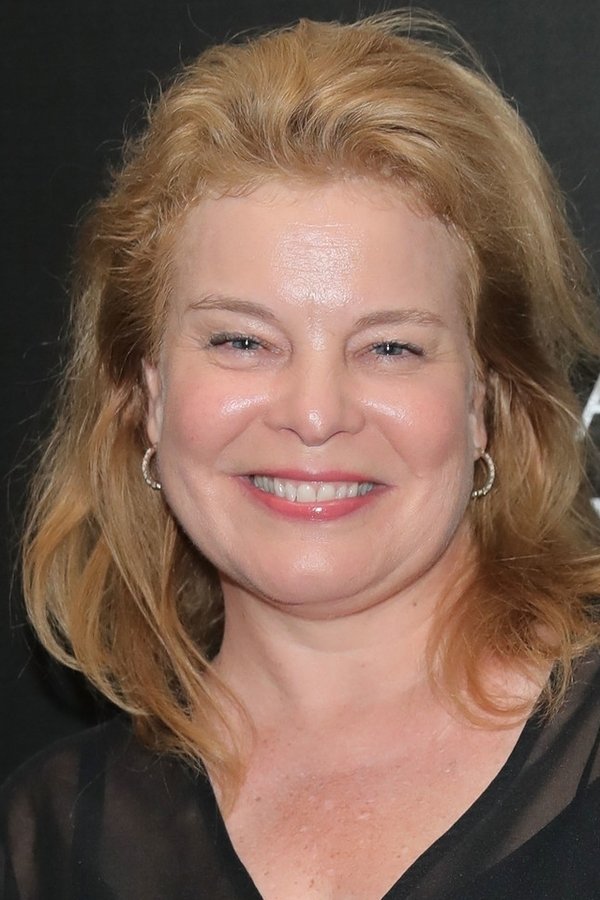
Catherine Curtin
Colleen Munsky
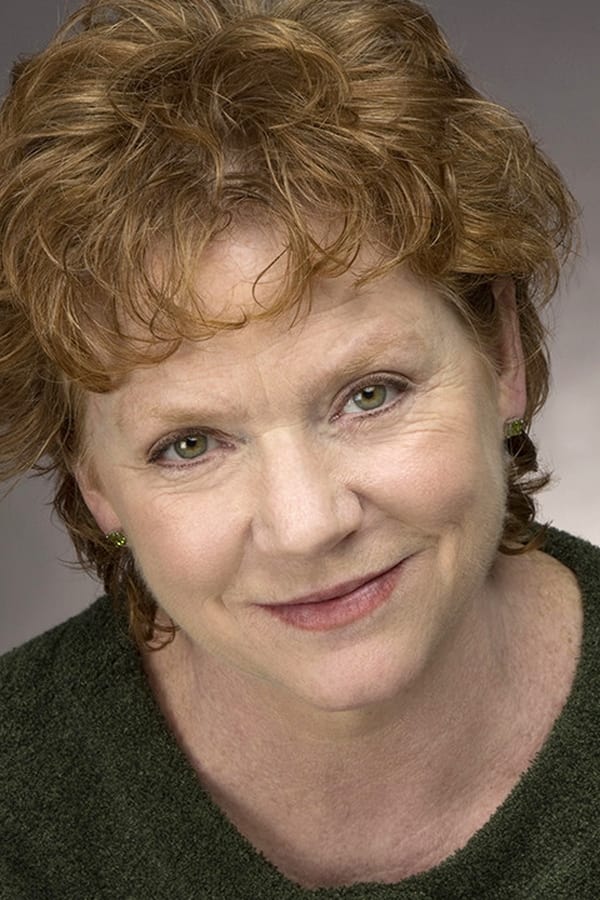
Becky Ann Baker
Mrs. Geselschap
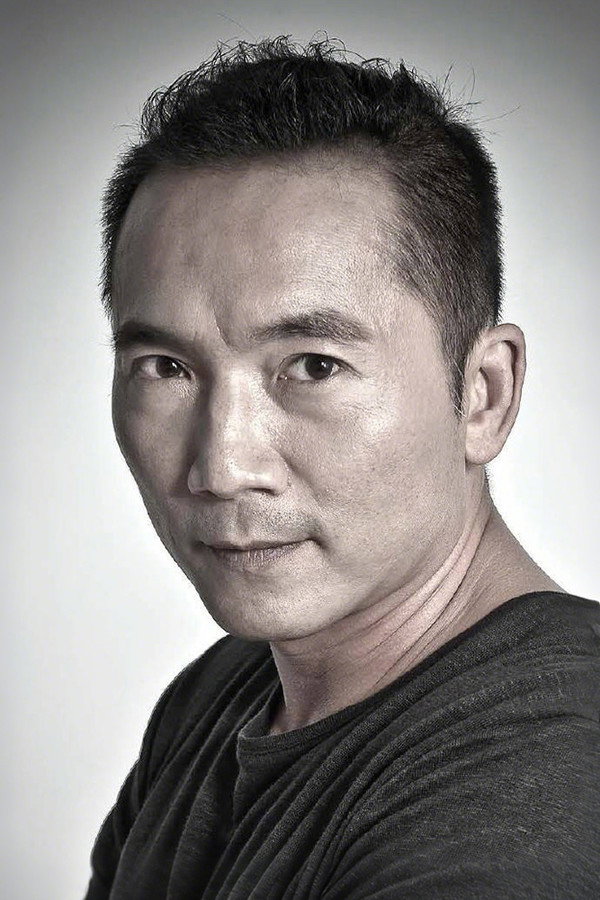
Collin Chou
Edwin Chu
MacIntyre Dixon
Father Shanley

Alec Tincher
Senior Guy (In Hallway)

Bonnie Flannery
Senior Girl (In Hallway)
David Fincher is back in his playpen, with a dark and chilling thriller.
A reboot series based on the popular original Nick teen sitcom of the same name.
With so many binge-worthy TV shows floating around and new ones constantly being released, I have compiled a list of some more recent TV shows that rank high on the diversity scale for both the cast and crew.
The film centers around two young women, Becca and Sam, who were once high school sweethearts until they reconnect in their town.
It is not hard to make a musical biopic that pleases audiences and draws a profit. Michael is no exception.
The Roses is a wickedly sharp marital warfare comedy that transforms domestic dysfunction into high art. Olivia Colman and Benedict Cumberbatch deliver powerhouse performances as a couple whose fairy-tale romance implodes when his architectural career collapses just as her culinary empire takes off. What makes Jay Roach's remake so devastatingly effective is its refusal to pick sides—both spouses are equally sympathetic and monstrous, wielding Tony McNamara's razor-sharp dialogue like weapons forged from shared intimacies. It's a film that dares you to laugh at relationship wreckage while forcing you to confront the uncomfortable truth that the line between passionate love and mutual destruction is terrifyingly thin.