


Writing Great Villains: Why They Shouldn't Be Sympathetic
Writing great villains is about striking a balance between charming and evil, so we love them but also love to see them lose.
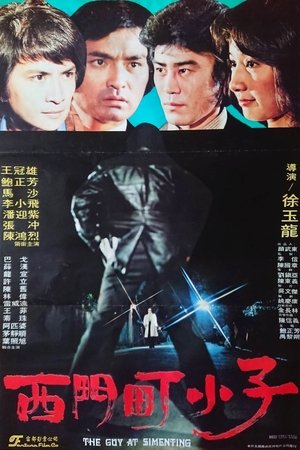


Peter YANG, an orphan, works very hard to support his younger brother Larry. Unfortunately, having his investment lost in the stock market, he is forced to borrow money from a loan shark named Paul CHOW at very high interest rates. To pay back the loan, he turns to gambling. Larry is admired by Helen CHUNG, who soon becomes his close and intimate friend. Peter, meanwhile, wins a considerable sum of money with the help of Bobby CHU, a skillful and honest gambler. This infuriates Tommy CHAO, a ruthless gambler, who secretly tries to attack Peter and his fiancee, Lily. Failing in his attempt, he cheats Peter at the gambling table. Unable to pay his debt, Peter reluctantly accepts Tommy’s conditions and agrees to set up a game to cheat the Tycoon Henry CHUNG of his money.
Writing great villains is about striking a balance between charming and evil, so we love them but also love to see them lose.
This magical reboot introduces a new set of Charmed ones, much to the ire of fans of the original series.
At its heart, it’s a fond tribute to an influential artist and thus one that can speak to everyone’s inner artist, even if it lacks the sincere commentary you may wish to see.
The Djinn is about childhood traumas and lifestyle changes. It tells the story of Dylan (Ezra Dewey), a mute boy who blames himself for his mom’s death. He also condemns himself for being speech-impaired, and he thinks that if he did not have that condition, everything could had been different.
I think that the happiness and survival of "Wynonna Earp"’s LGBTQ+ characters is incredibly refreshing in contrast to the prevalence of queer suffering and death in other television.
A teen comedy that nobody wants to see.