







‘The World to Come’ Movie Review: A Stunning Period Romance
Mona Fastvold’s nineteenth century lesbian romance is emotionally charged, restrained, and poetic without feeling forced.

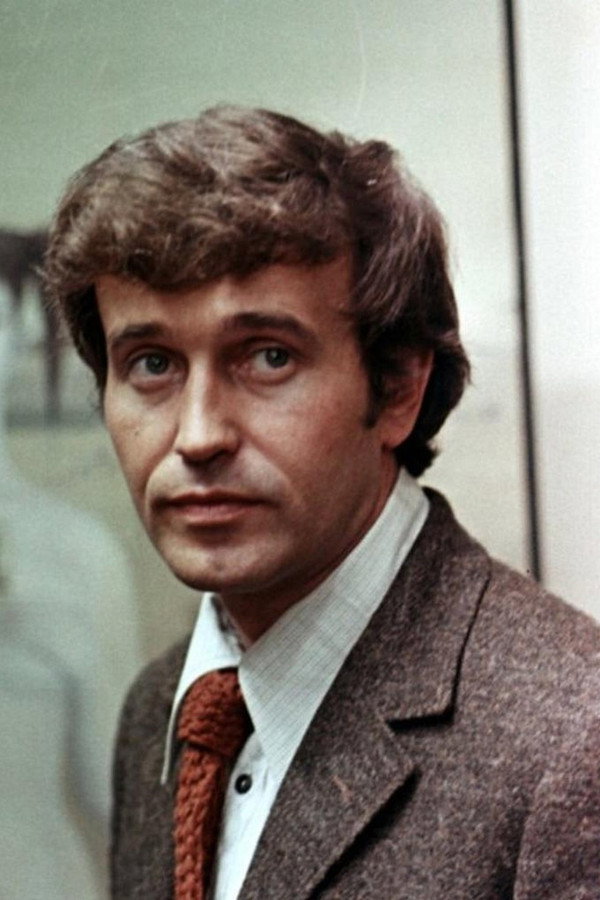
The heroes of this crime-comedy attempt to get hold of money by a funny trick. They start operating the new post-office of the housing estate a week before the official opening, pocketing the revenue themselves. The inhabitants of the estate do not understand the trick, and loads of money pour to the swindlers.
Mona Fastvold’s nineteenth century lesbian romance is emotionally charged, restrained, and poetic without feeling forced.
It was always people for Joe, and he ultimately found them at the end of a long, painful, yet illuminating quest for self-discovery outside of one, confident constant - his bisexuality.
This incarnation of Animal Farm is filled with the generic plot points, immature humor, cardboard characters and visual flaws that you have come to know from today’s lesser children’s films.
Ultra-violent storytelling has never been my thing, but the issues with Scarface go beyond that. The film perpetuates harmful stereotypes about Latinx immigrants and uses gore and misogyny for shock value that never serves any purpose. The whole venture is frustratingly empty, and left me desiring something more.
Korean culture shines in this Canadian export.
Some people’s first introduction to Mira Nair might be as New York mayor Zohran Mamdani’s mom. But with her insightful direction of 1991’s Mississippi Masala, Nair shows how much she deserves to be known as an artist. Delivering a nuanced portrait of a romance between a Black man and an Indian woman living in the South, Nair explores the complications each character faces, giving both equal weight.