



Once Upon a Time in (White) Hollywood
Tarantino's alternative history of the 1960's uncritically repeats the era's sexist and racist stereotypes.
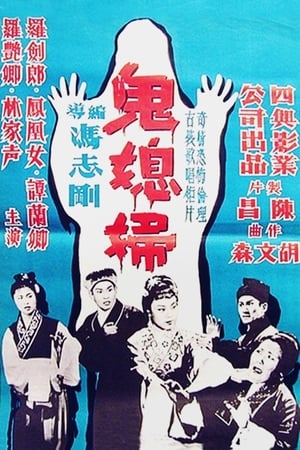


Adaptation of a Chinese opera.
Tarantino's alternative history of the 1960's uncritically repeats the era's sexist and racist stereotypes.
I came across Urchin by chance and decided to watch it because of the title. It made me think of the spiky animal that lives at the bottom of the ocean, and the old Dickensian novels, where an urchin was an orphaned, homeless child in shaggy and dirty clothes.
Movies also have the ability to make the audience think deeper about an issue that plagues society. "Blindspotting" does that without shying away from the intense reality of police brutality and racial discrimination.
Episode 3, entitled “Now in Color,” brings us to the 1970s — a decade full of vibrancy, color, and total mayhem.
“Unsung” does not begin to describe the obscurity Bayard Rustin endured in the shadows of the Civil Rights Movement
Director and writer, Miles Marti, brilliantly created a film that captures the story of a kid that learns a new reality all within the walls of her classroom. Tears Of Knowing lightly steps into the devastation of loss through a childhood lens, and presents a perspective that is not often acknowledged. Though grief and loss are important aspects, the film also showcases excellent portrayals of trust, innocence, and naivety.