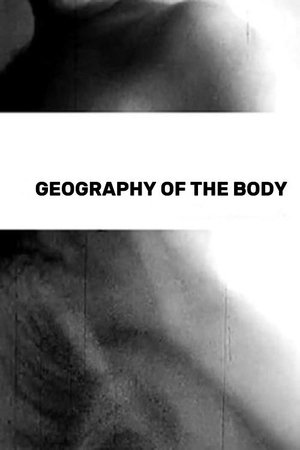
The Geography of the Body (1943)
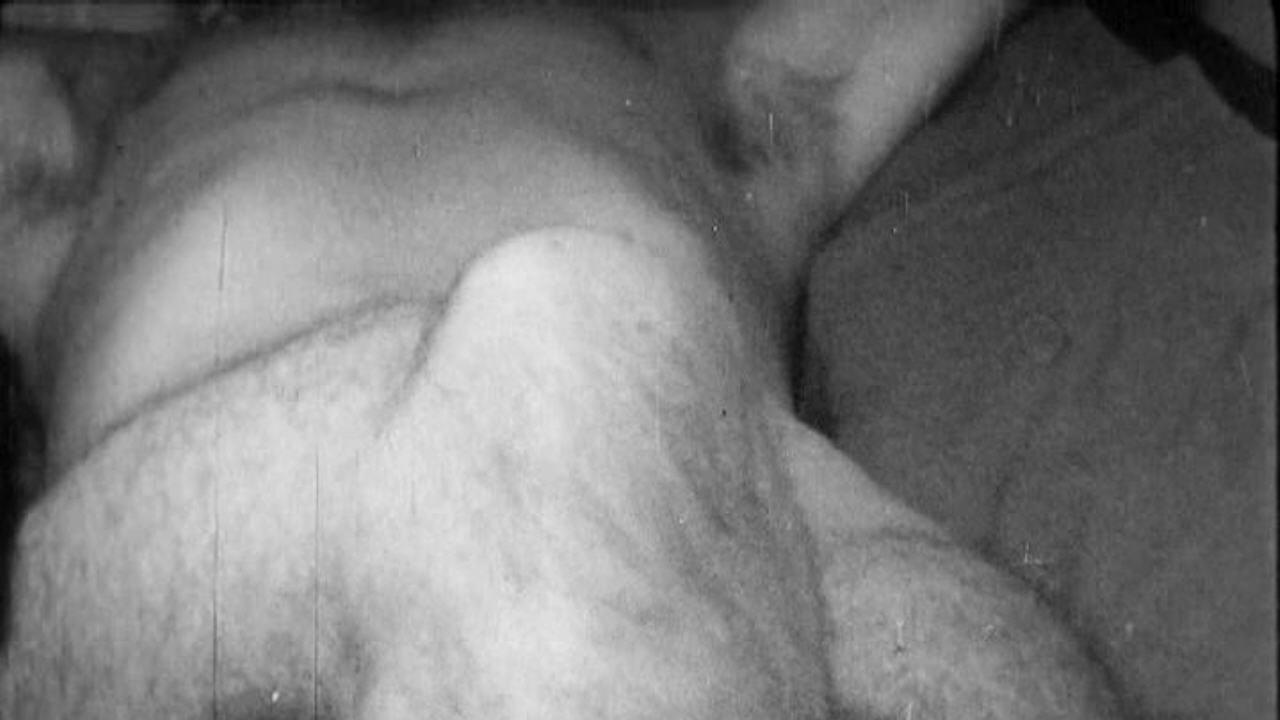
A quotation from Aristophanes, "The desire and pursuit of the whole is called love," precedes views of a man and a woman's bodies, often in extreme close up. Off-screen, a voice recites fragments of oracular literature and purple prose. We see an eye, an ear, a mouth, a tongue, bits of hair, a hand, the tips of fingers, toes. Occasionally, the frame includes a larger scape of a body: a chest, a back, a breast. Usually the camera is stationery; sometimes, it moves across a body, remaining in close up. They hold hands for one moment. The bodies are without clothes; no genitalia are visible.

- / 5
PopScore
Representation
Pictures and Videos

Movie Information
A quotation from Aristophanes, "The desire and pursuit of the whole is called love," precedes views of a man and a woman's bodies, often in extreme close up. Off-screen, a voice recites fragments of oracular literature and purple prose. We see an eye, an ear, a mouth, a tongue, bits of hair, a hand, the tips of fingers, toes. Occasionally, the frame includes a larger scape of a body: a chest, a back, a breast. Usually the camera is stationery; sometimes, it moves across a body, remaining in close up. They hold hands for one moment. The bodies are without clothes; no genitalia are visible.
Rating:
Genre:Documentary
Written By:
In Theaters:1/1/1943
Box Office:
Runtime:7 minutes
Studio:
Cast

Articles You May Like
Grief, Fate, and Destiny in 'Wolf Like Me'
'Wolf Like Me' works if you want a show to shut off your brain while watching. If you think too much, you'll hurt yourself.
Visi-Bi-lity: It's Improving!
Films and TV series often tend to misrepresent or not acknowledge bisexual characters, but recent trends show that bi-erasure is now under deserved scrutiny. So, I’m genuinely happy about the direction bi-representation seems to be taking.
'Hacks' Is Not a Hack…It's Comedic Perfection
Deborah (Jean Smart) and Ava (Hannah Einbinder) are a delight to watch evolve, sometimes devolve, then evolve again.
The Wonder Years (2021 TV series)
This reboot of The Wonder Years is told from the lens of a Black man.
'Nyad' (2023): Just Keep Swimming
This inspiring true story falls nothing short of filling the audience with a passion to strive for their wildest dreams.