

“Tony” is Yet Another Good Biopic
The problem isn’t that it’s bad. It's good. But it fails to stand out from a crowd of similar films.
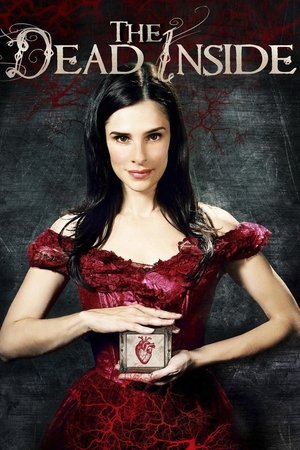


Wes and Fi are empty. While their love for each other burns strong, artistically their hearts have been locked in a box for years. Wes is a burned out photographer paying the bills by shooting weddings. Fi is the writer's-blocked author of a series of zombie novellas called, The Dead Survive.
The problem isn’t that it’s bad. It's good. But it fails to stand out from a crowd of similar films.
'Rag Tag' encompasses the diversity within the African Diaspora by showing London Nigerian men learning to regulate their emotions while navigating love and societal pressures.
Carolina Caroline follows Caroline (Samara Weaving), a bored young woman dreaming of escaping a small Texas town where nothing ever happens. When she meets Oliver (Kyle Gallner) at her workplace while he is conning the owner, she sees her perfect opportunity to get out. Their whirlwind romance strongly echoes Bonnie and Clyde, as the two quickly embark on a bank-robbing spree.
Presenting a bold and unapologetic narrative focused on strong Muslim female characters, the show beautifully incorporates punk rock as a feminist movement in their lives.
With The Father, writer-director Florian Zeller- who wrote and developed the play upon which the film is based- pulls no punches as he confidently makes every effort to put the audience in the mind of someone whose grip on reality has all but vanished. It’s a dazzling testament to Zeller’s abilities as a director as he makes his first transition from stage to film appear as if he’s been working behind a camera his entire career. The dialogue he fashions with co-writer Christopher Hampton, along with the work of production designers Peter Francis and Cathy Featherstone, collectively makes the downward spiral of dementia startlingly tangible, doing so in a way that can be comprehended by everyone except the person it directly affects.
The social issues The Half of it takes on are handled well, between the antagonization brought on to Ellie for her race and the conflict that arises from her being gay. Both aspects of her character are built up over the course of the film and don’t seem abrupt or rushed. The film shows racism towards Ellie and her and father in varying levels, from having her schoolmates specifically address her as "Chinese girl” to the fore mentioned way her Dad is treated due to language barriers. The same can be said about Ellie being a lesbian. While she never truly “comes out” in the narrative, that does not undermine her journey of self-discovery from being meaningful. These ideas aren’t thrust upon the viewer in a preachy manor, the scenarios that occur feel believable given the rural setting. The film presents watchers with problems whom those like Ellie may face, and leaves us to sit with them and reflect.