



Garfield the Movie: A Failure in Adapted Characters
An analysis on how the Garfield movie fails to represent the characters it is adapting, especially the women, by removing their best characteristics.
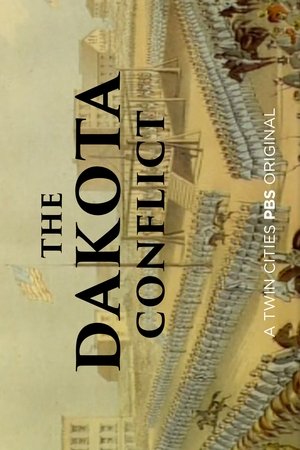


In 1862, when Minnesota was still a young state, the people of the Eastern Dakota Nation had been relegated to a reservation on a narrow strip of land along the Minnesota River. Times were hard and Dakota families went hungry. When the U.S. government broke its promises and failed to send treaty payments, some of the Dakota went to war against the white settlers. Many Dakota did not join in, choosing to aid and protect settlers instead. The fighting lasted six weeks and many people on both sides were killed or fled the state. 1600 Dakota were imprisoned in a camp below Fort Snelling in present day Minneapolis. Dakota men were tried in a military court and on December 26, 1862, thirty-eight were hanged in Mankato in the largest mass execution in U.S. history.
An analysis on how the Garfield movie fails to represent the characters it is adapting, especially the women, by removing their best characteristics.
The character of Mulan is one of Disney’s best heroines. She’s brave, kicks butt, and has a kill count. What other Disney character has killed hundreds of Huns by crushing them with an avalanche? No one.
This coming-of-age movie based on the 1970 book by Judy Blume gives viewers a scope on female topics in the quest for a religious identity.
Apatow’s latest film, The King of Staten Island, is no different. The movie tells the story of Scott (Pete Davidson), the 24-year-old son of a deceased firefighter who passed away when Scott was 7
Stevan Lee Mraovitch’s film is a beautiful tribute to family, found family, and the lengths people will go to support their loved ones.