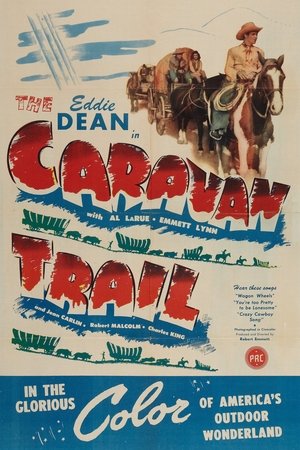
The Caravan Trail (1946)
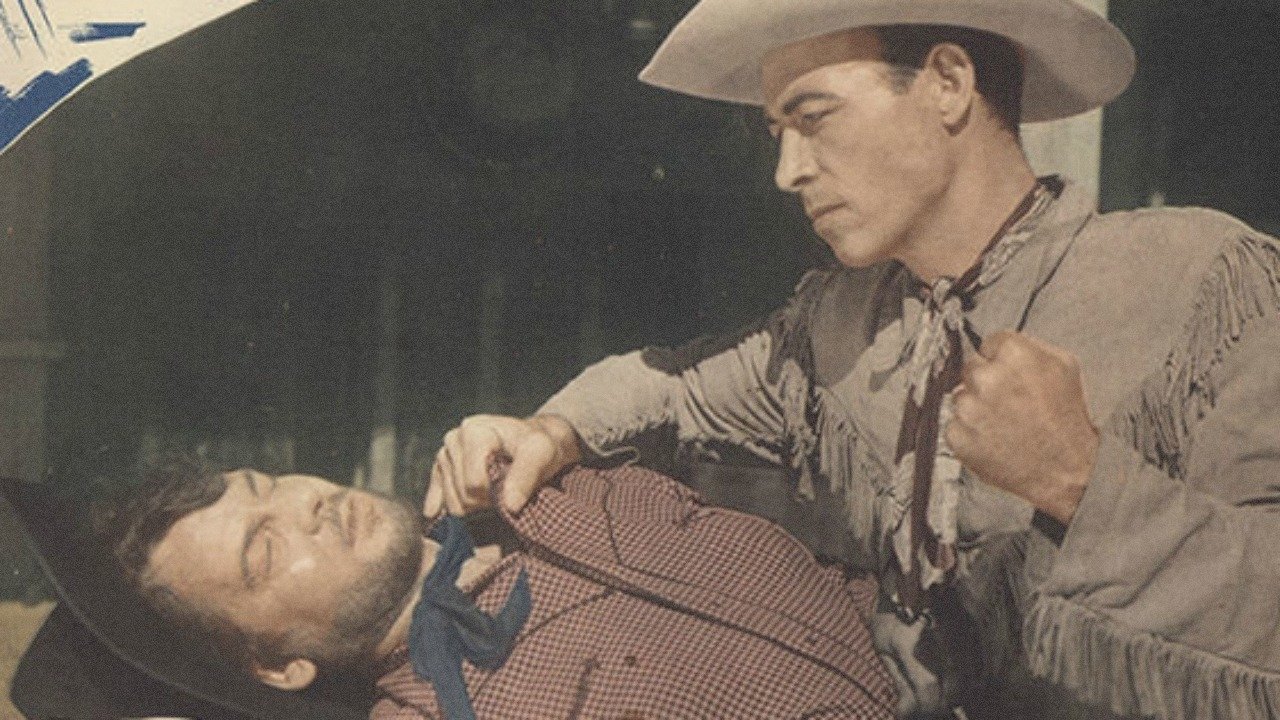
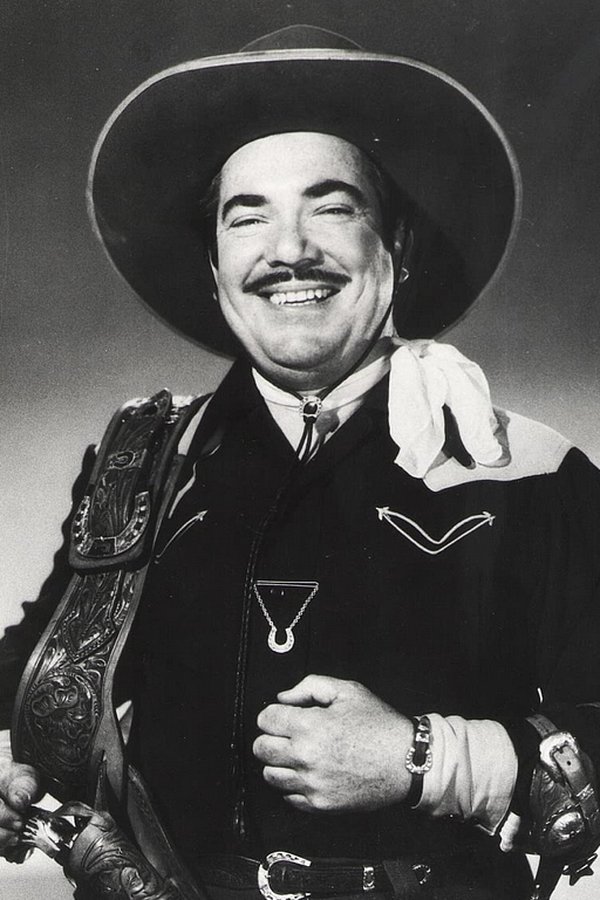
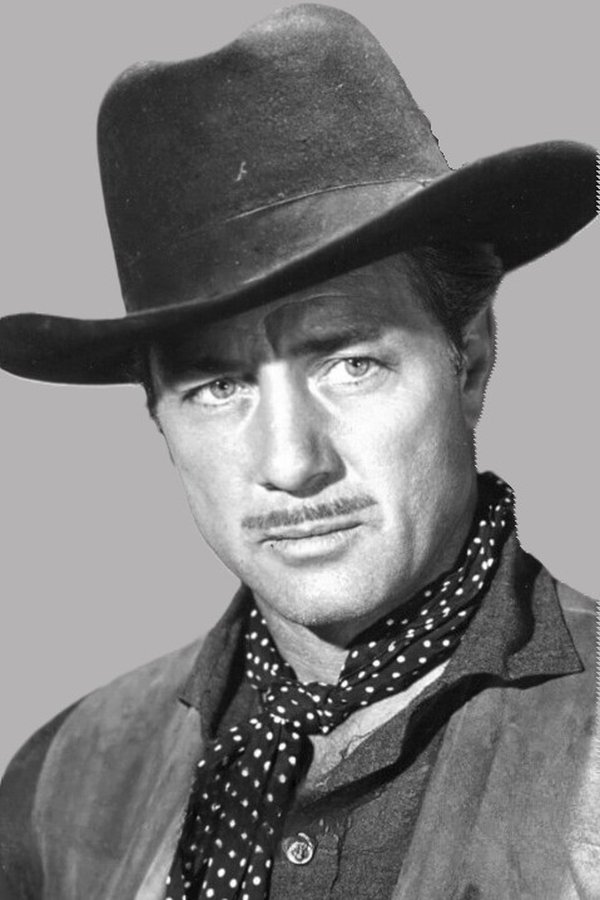
The Caravan Trail stars PRC Pictures' resident singing cowboy Eddie Dean. This time around, wagonmaster Dean is appointed sheriff of a lawless frontier territory. Immediately getting down to business, our hero goes after a band of land-grabbing outlaws who've been terrorizing the homesteaders. The film is stolen hands down by supporting play Al LaRue, who as "Lash" LaRue would eventually be awarded a western series of his own. Like most of Eddie Dean's 1946 releases, The Caravan Trail was lensed in the two-hued Cinecolor process.
Read more at http://www.allmovie.com/movie/the-caravan-trail-v8165#ome2SWX8mH31k9yd.99

- / 5
PopScore
Representation
Pictures and Videos

Movie Information
The Caravan Trail stars PRC Pictures' resident singing cowboy Eddie Dean. This time around, wagonmaster Dean is appointed sheriff of a lawless frontier territory. Immediately getting down to business, our hero goes after a band of land-grabbing outlaws who've been terrorizing the homesteaders. The film is stolen hands down by supporting play Al LaRue, who as "Lash" LaRue would eventually be awarded a western series of his own. Like most of Eddie Dean's 1946 releases, The Caravan Trail was lensed in the two-hued Cinecolor process. Read more at http://www.allmovie.com/movie/the-caravan-trail-v8165#ome2SWX8mH31k9yd.99
Rating:
Genre:Western
Written By:Frances Kavanaugh
In Theaters:4/19/1946
Box Office:
Runtime:59 minutes
Studio:PRC



Articles You May Like
How "Batman: Soul Of The Dragon" Successfully Sidelined The Dark Knight
As an extremely avid fan of DC’s animation, I’ve become familiar with the way the studio uses Batman as a bit of a Trojan Horse to introduce some of their lesser known characters.
'The Sadness' — An Unapologetic Gore-Fest Making Rounds On Social Media
As a horror buff, I was intrigued by people claiming 'The Sadness' was the most disturbing movie they've ever seen or to watch with caution. So, I finally put the internet to the test and watched it for myself... to varying results.
“Dreaming Whilst B\@*k”
Masterful satire that shines a light on the struggles of Black creatives.
Quintessential Directors: Barry Jenkins
A brief look at two Barry Jenkins films that have established him as one of the greatest filmmakers of our time.
The Bubble: A Spoonful of Comedy Doesn't Make the Social Commentary Go Down
Ultimately the problem with The Bubble is that it plays everything for laughs to get around the audience’s defenses. But it comes off like a privileged white male thinking that ridiculing everyone else equally is the road to equality. And it’s not. And it's definitely not funny to pretend that it is.