





“Disclosure Day” and Anthropocentrism
Disclosure Day asks us to question humanity's role in the universe but falls victim to the same assumptions of centrality.
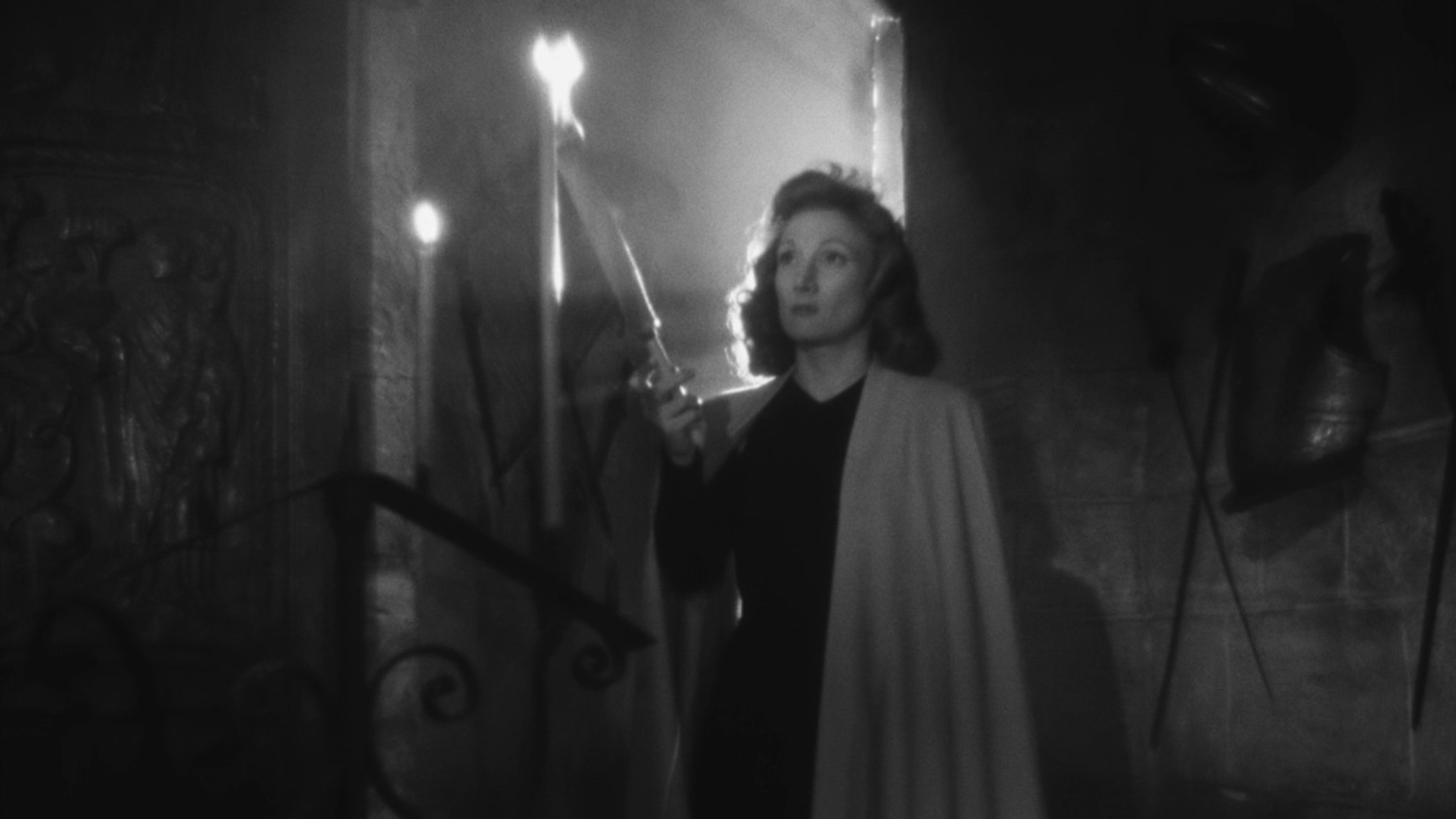
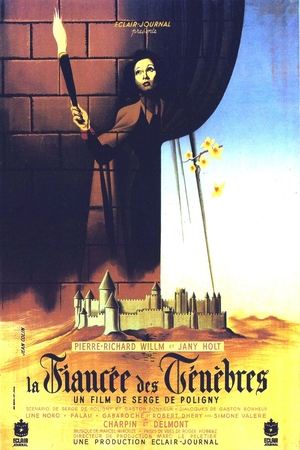


Sylvie, a young woman who believes to be cursed, lives in the town of Carcassonne with her guardian, Mr. Toulzac. He is a retired teacher who wishes to discover the secret of the Cathars, a Christian sect of the Middle Ages that glorified death over life. Sylvie meets Roland, a composer who instills new hope into her troubled mind. Mr. Toulzac then asks her then to renounce the world and go down a secret tomb he has just found.
Disclosure Day asks us to question humanity's role in the universe but falls victim to the same assumptions of centrality.
Renee Zellweger shines in this Judy Garland biopic, which highlights the pain and loneliness that so many famous women endure.
Netflix takes some liberties in its portrayal of Madame CJ Walker, a trailblazing Black entrepreneur.
After two months of refusing to see this movie, I have decided that it’s finally Morbin’ time. After its re-release as a box office bomb; I watched it just to laugh at it. But, I was also surprised, because 'Morbius' is a queer allegory.
The new biopic 'Elvis' highlights the beginning and end of the career of this rock and roll legend. The audience is taken on this journey knowing the tragic ending but not so much about what led him there. A large topic of discussion is the influences on Elvis that made him who he was as a singer, musician, and performer, which were blues, gospel, and country. Many of the songs that rose him to fame were songs by Black artists he heard growing up in primarily Black settings.