



Twin Peaks: Why LGBTQ Ally Depiction is Crucial
Portraying how easy it is to be an ally heavily benefits the majority audience. The more we encourage it, normalize it, and give people the tools to become one, the sooner we can co-exist peacefully.
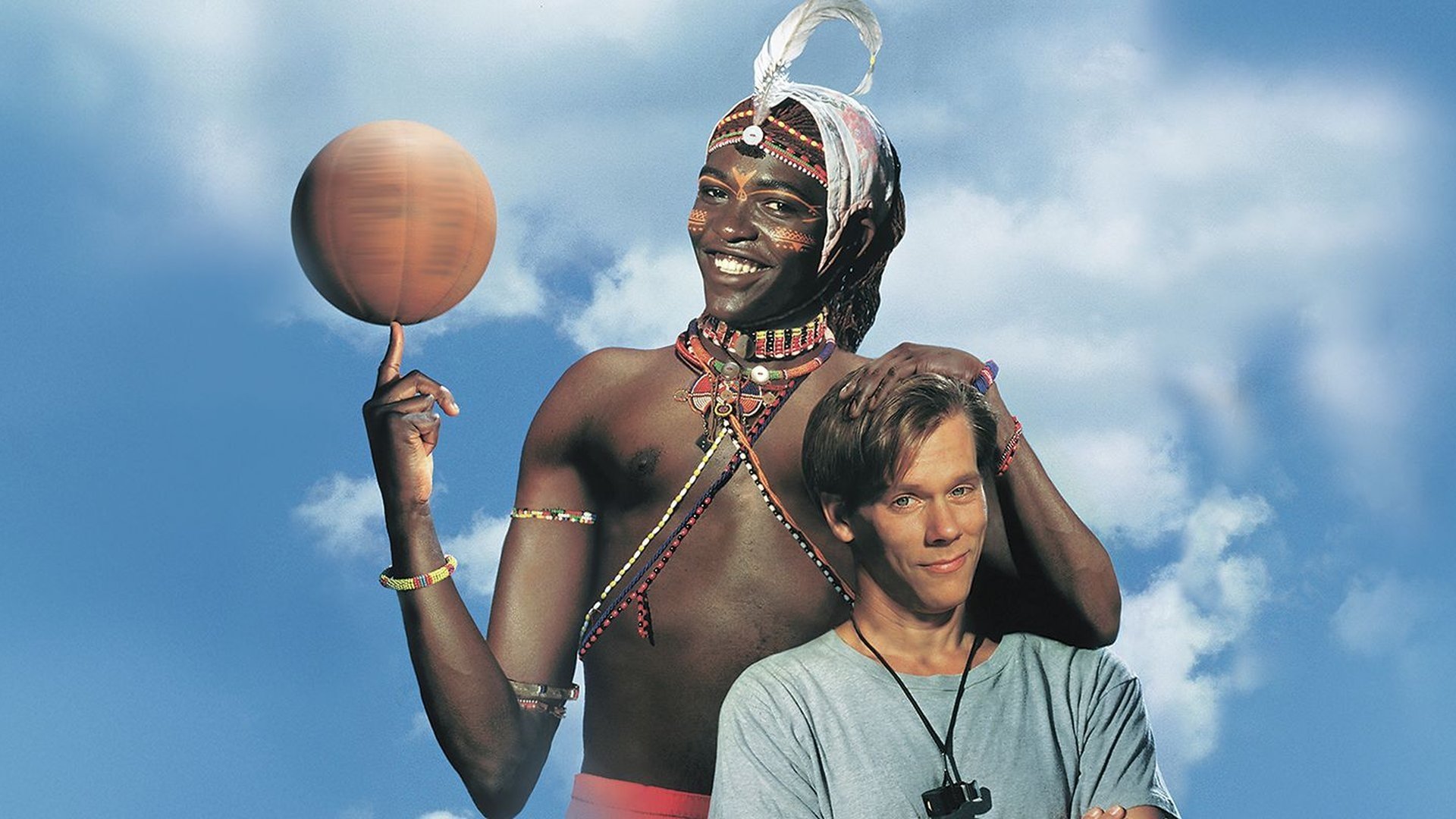
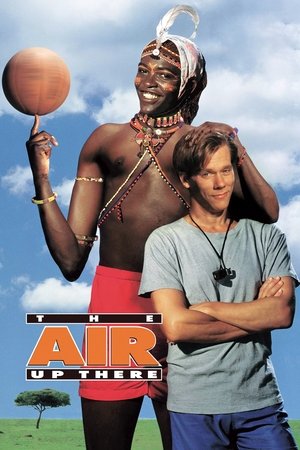


Jimmy Dolan is a college basketball coach who wants a big promotion. To get it, he needs to make a dramatic find. He ends up deep in Africa, hoping to recruit Saleh, a huge basketball prodigy Jimmy glimpsed in a home movie. But Saleh is the chief's son and has responsibilities at home, since the tribe's land is threatened by a mining company with its own hotshot basketball team.
Portraying how easy it is to be an ally heavily benefits the majority audience. The more we encourage it, normalize it, and give people the tools to become one, the sooner we can co-exist peacefully.
In the film adaptation, director Jon M. Chu turns each musical number into a massive show stopper, with grand set pieces and a wealth of diverse dancers. Yet, in this attempt to show reverence for the people of the Washington Heights barrio, Chu, or maybe more specifically those in charge of casting, left out a crucial part of the community, Afro-Latinos.
Wacky antics ensue when a 100-year-old Jewish man wakes up from a pickled hibernation in the modern world.
True crime media is notoriously obsessed with the “missing white woman” trope, and yet the vast majority of American murder victims are male, and well over half are people of color.
Star Wars is better if you believe that Luke Skywalker is gay. You can't change my mind.
I like discovering something new among the old and Tubi has an assortment of horror films from cinema's past for just such an occasion.