Sick or Evil or Both: “My Friend Dahmer” and the Coverage of White Killers
This HBO mini-series asks why a young white man turned to violence and finds no easy answers. But why do we only ask questions about certain kinds of killers?
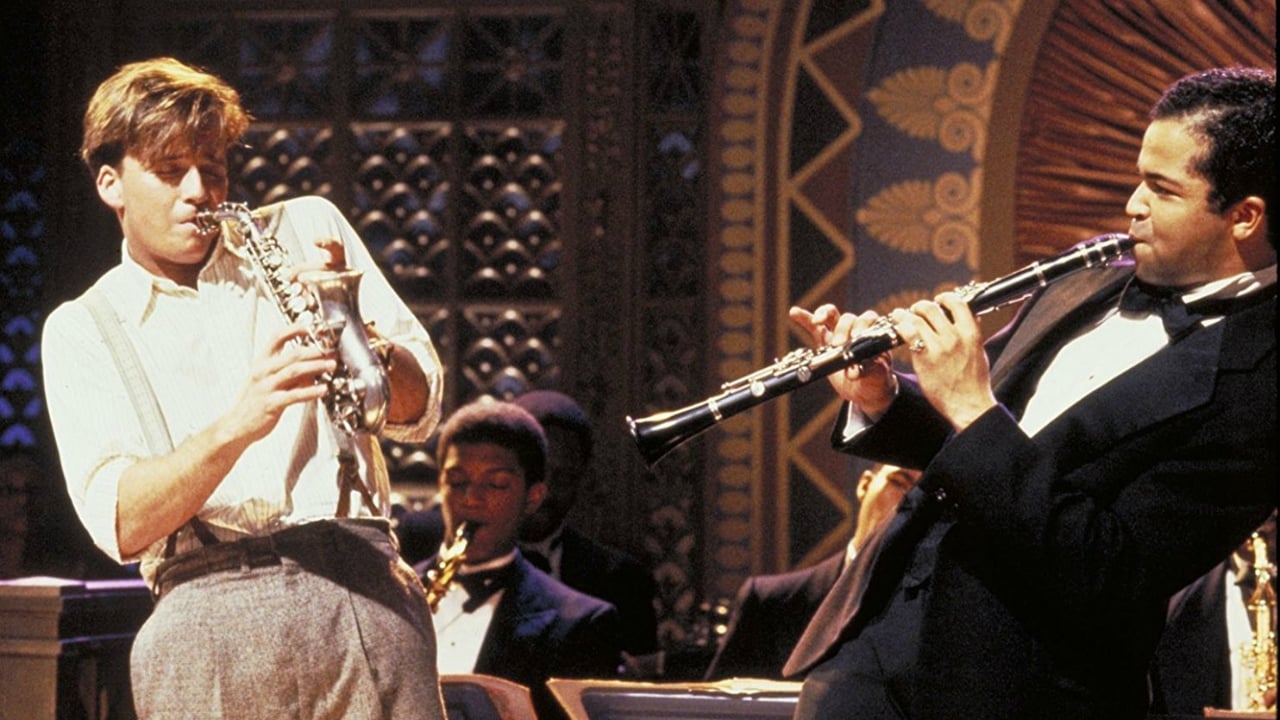
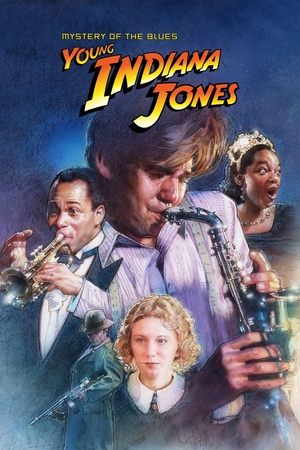


Going to college and working in a seedy speakeasy bring Indy into contact with jazz great Sidney Bechet, who teaches him how to play the blues. Unfortunately, he also crosses paths with up-and-coming thug Al Capone and it's only with the assistance of his dorm roommate, future Untouchable Eliot Ness, that Indy is able to solve a vicious murder and prevent himself from ending up in a pair of cement overshoes.

Carl Schultz
Director


Sean Patrick Flanery
Indiana Jones
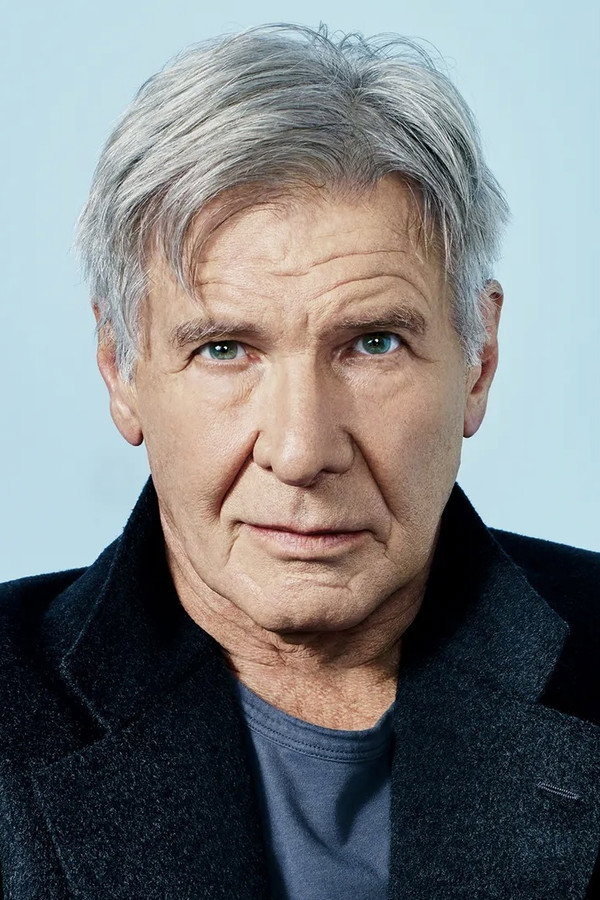
Harrison Ford
Indiana Jones - age 50
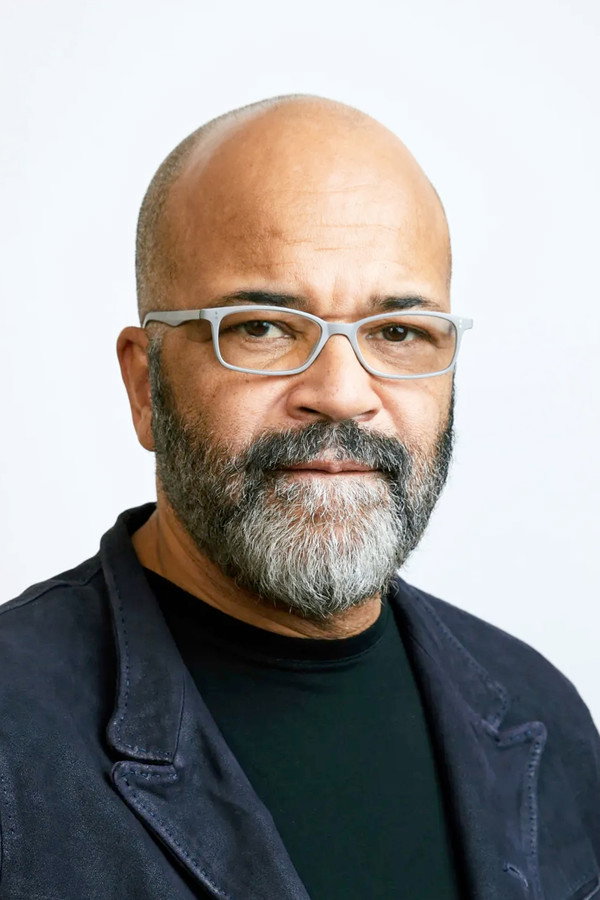
Jeffrey Wright
Sidney Bechet

Jay Underwood
Ernest Hemingway
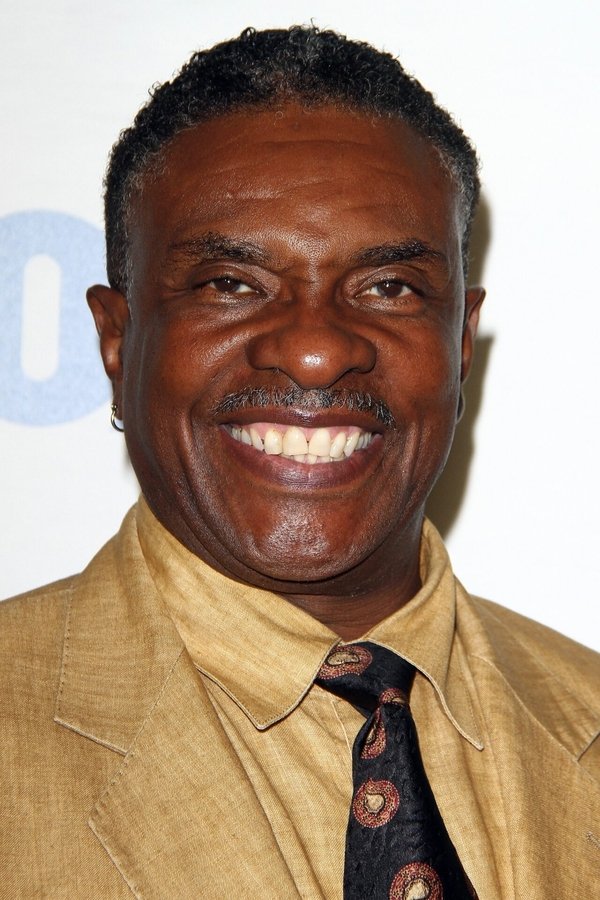
Keith David
King Oliver
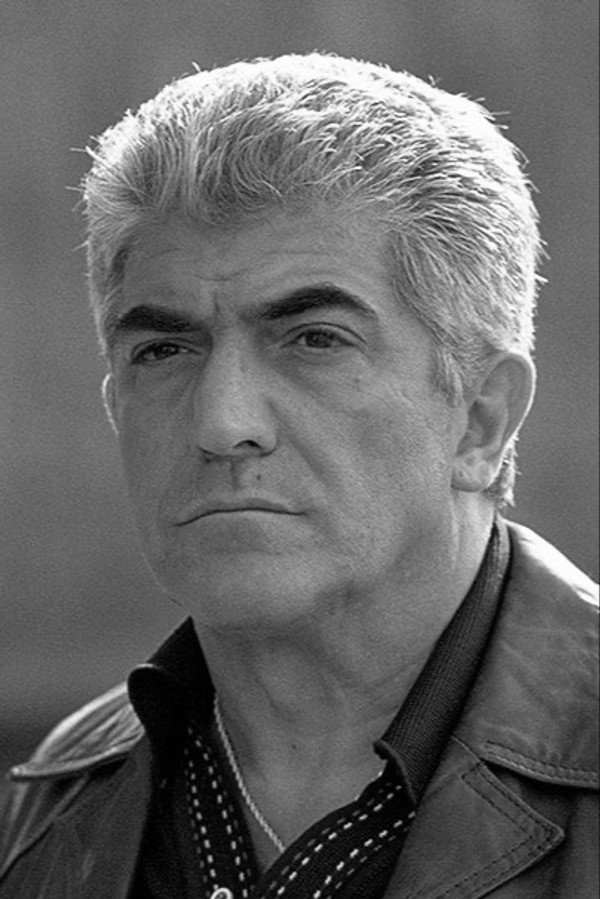
Frank Vincent
John Torrio
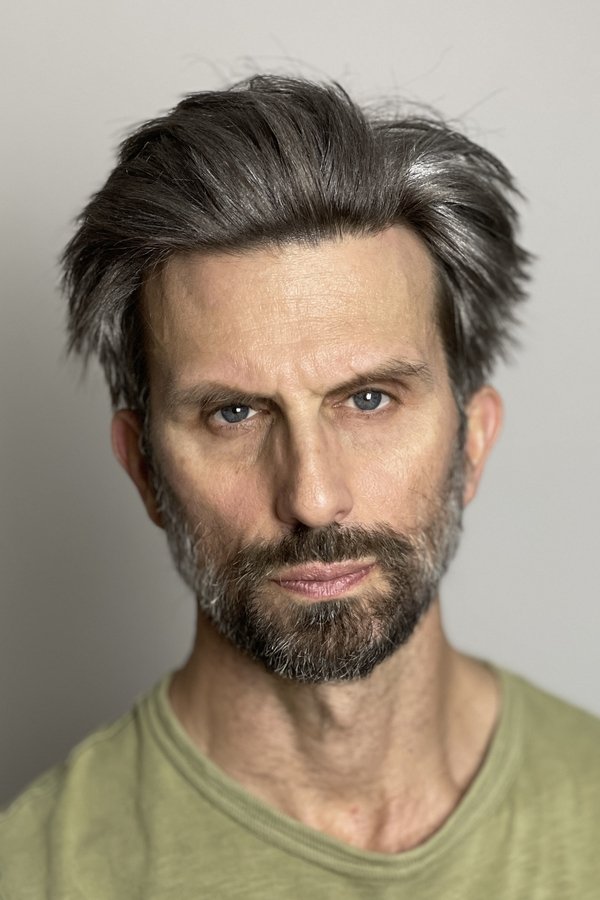
Frederick Weller
Eliot Ness
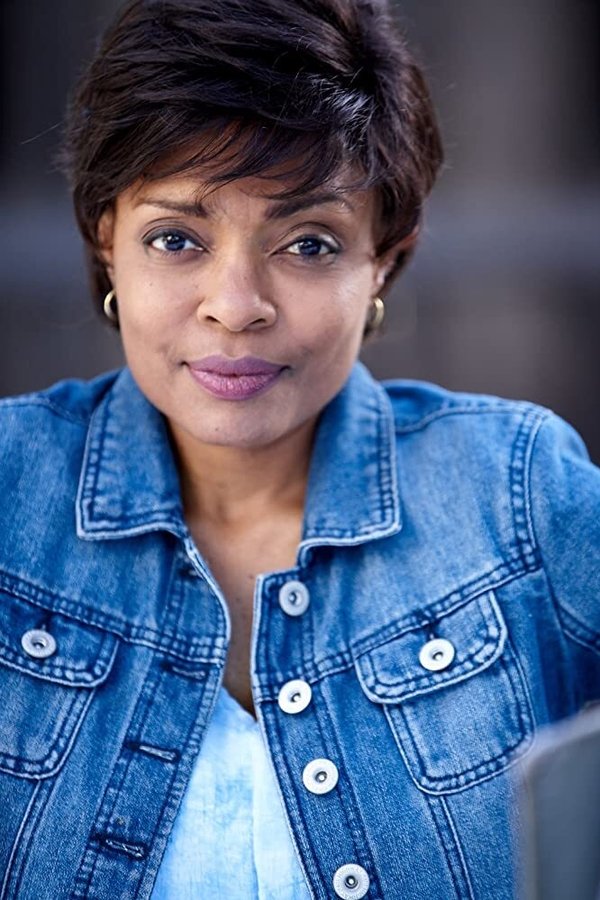
Maria Howell
Goldie
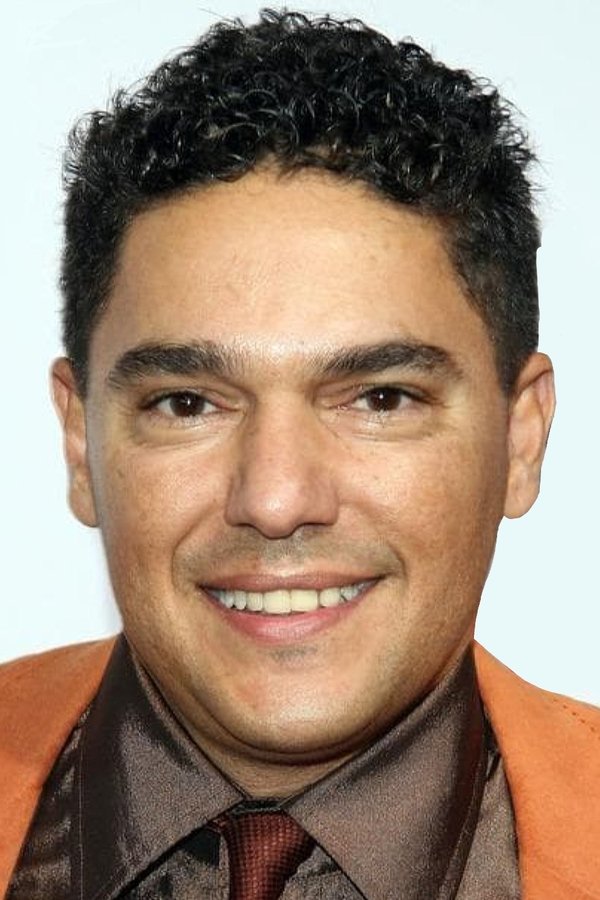
Nicholas Turturro
Big Al Brown
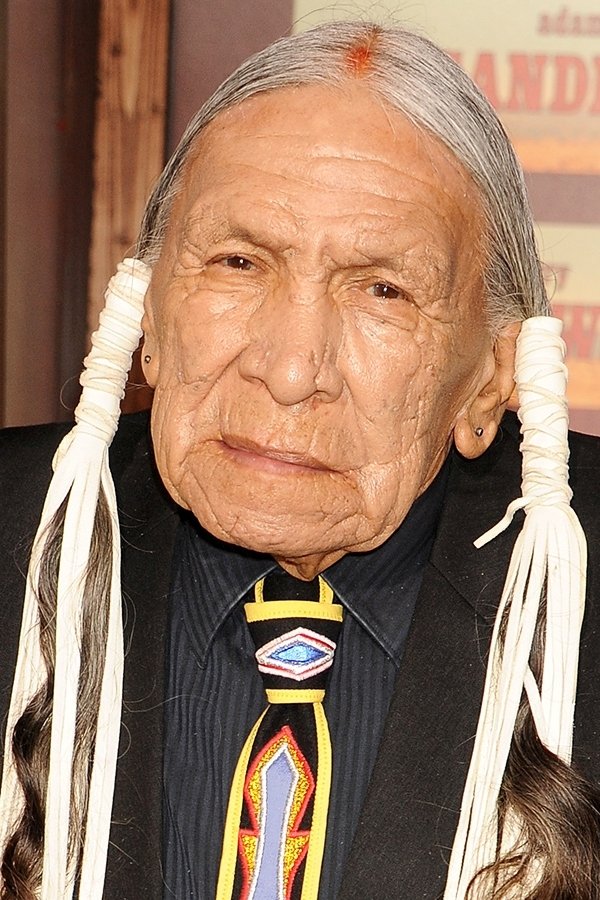
Saginaw Grant
Grey Cloud
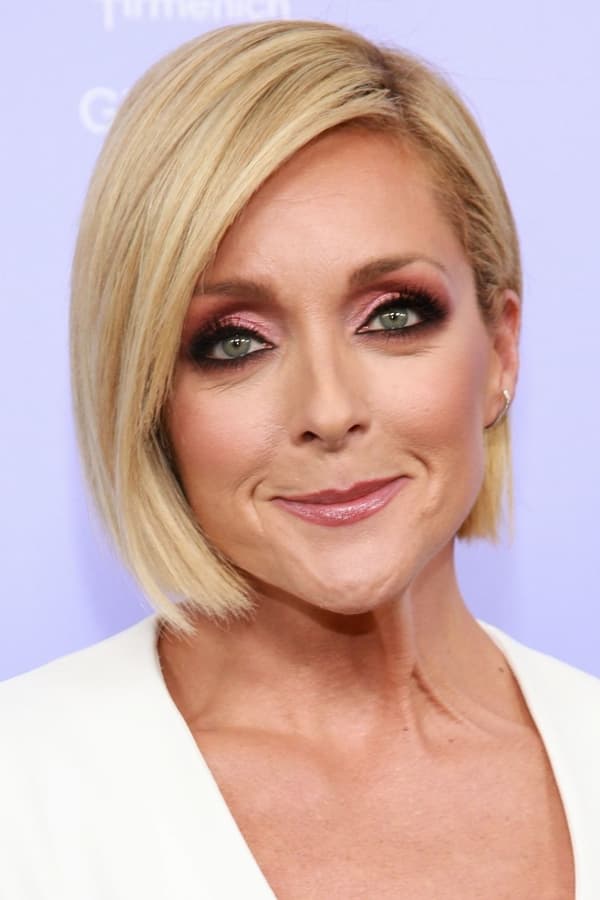
Jane Krakowski
Dale Winter
This HBO mini-series asks why a young white man turned to violence and finds no easy answers. But why do we only ask questions about certain kinds of killers?
Our protagonists perform as the opposite gender while still preserving the parts of their personalities that makes themselves who they are.
When diverse representation is featured on-screen, it oftentimes comes with strings attached that undermine the message they were trying to send. This can be attributed to the fact that behind-the-screen, the industry primarily does not reflect the breadth of diverse difference that is present in daily life. That’s why when something as powerful and authentic as Minari comes along, it is both incredibly wonderful and needs a large audience to witness it.
Like all modern societal phenomenons, it started with a meme. This one highlighted that when there’s a mom in a Pixar film, she is almost without fail given striking curves that highlight the bottom half of her body following a minuscule waist. From Elastigirl to the skeletal Mama Imelda, the animation giant’s artists seem to have a fixation on making exaggeratedly curvy maternal characters.
'Little Woods' rethinks the Western genre and examines the misogyny and classism inherent in the healthcare industry.