



‘The Devil All The Time’ is Gritty and Bleak
Gritty and bleak are the best words to describe this film. There’s nothing happy about it.
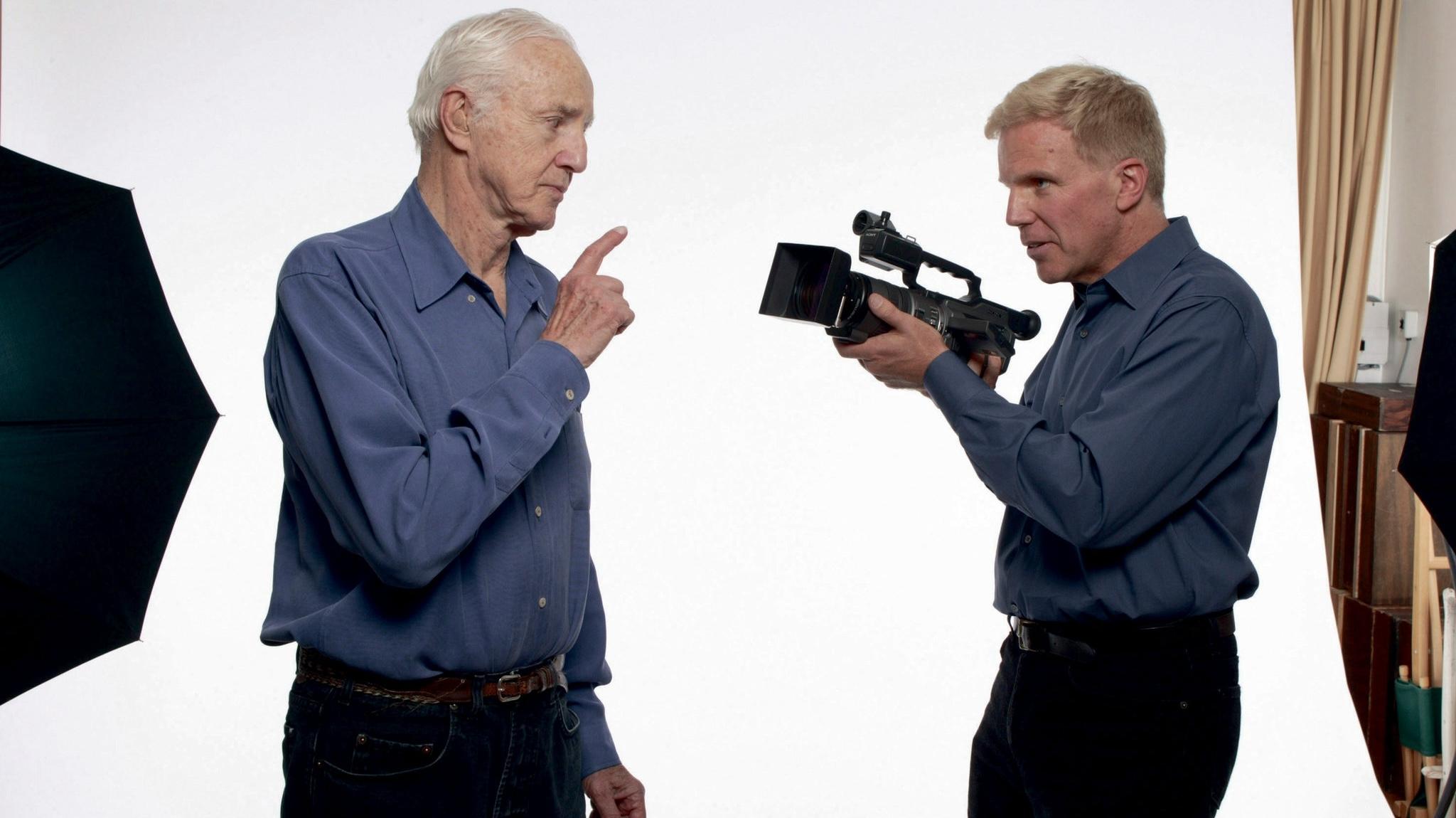



The son of acclaimed cinematographer Haskell Wexler confronts his complex father by turning the camera on him. What results is a portrait of a difficult genius and a son's path out of the shadow of a famous father.
Gritty and bleak are the best words to describe this film. There’s nothing happy about it.
‘Better Than Chocolate’ isn’t perfect, but it sure has charm! The characters are great. Some took longer to grow on me than others, but ultimately they’re all compelling! I appreciate how a select few help those around them to grow.
The “gay best friend”, an age-old trope, has been done in countless films and television series. Ranging from one-note (Sex and the City's Stanford and Mario) to nuanced (Unbreakable Kimmy Schmidt's Tituss), the gay best friend exists to support and advise the main protagonist, with their conflicts swept to the side.
This short film was an overall creative success.
Avatar: The Last Airbender's success fifteen years after its premiere proves the enduring power of its storytelling. But it's more than just a quality show.
A chilling return to the Final Destination franchise with a terrifying twist on fate. Bloodlines explores whether Death can hold a grudge across generations—and what happens when the past won't stay buried.