Living People in "It Was Just an Accident"
It doesn’t offer an absolute answer for the dialectical ethical questions that emerged in search of justice but portrays the characters as living people beyond the identities of victims.
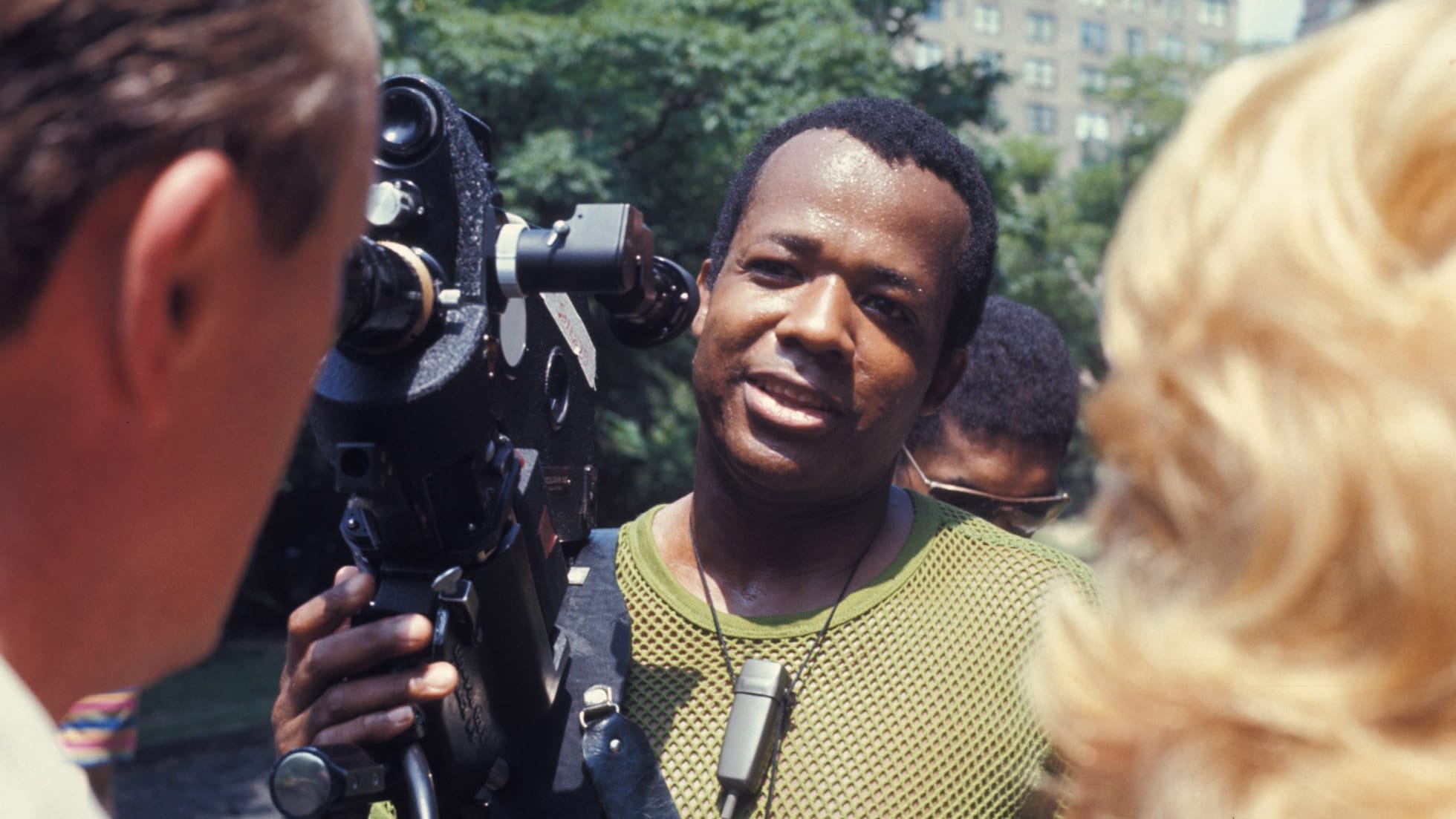



In Manhattan's Central Park, a film crew directed by William Greaves is shooting a screen test with various pairs of actors. It's a confrontation between a couple: he demands to know what's wrong, she challenges his sexual orientation. Cameras shoot the exchange, and another camera records Greaves and his crew. Sometimes we watch the crew discussing this scene, its language, and the process of making a movie. Is there such a thing as natural language? Are all things related to sex? The camera records distractions - a woman rides horseback past them; a garrulous homeless vet who sleeps in the park chats them up. What's the nature of making a movie?

William Greaves
Director


Patricia Ree Gilbert
Self - Actress Testing for Alice
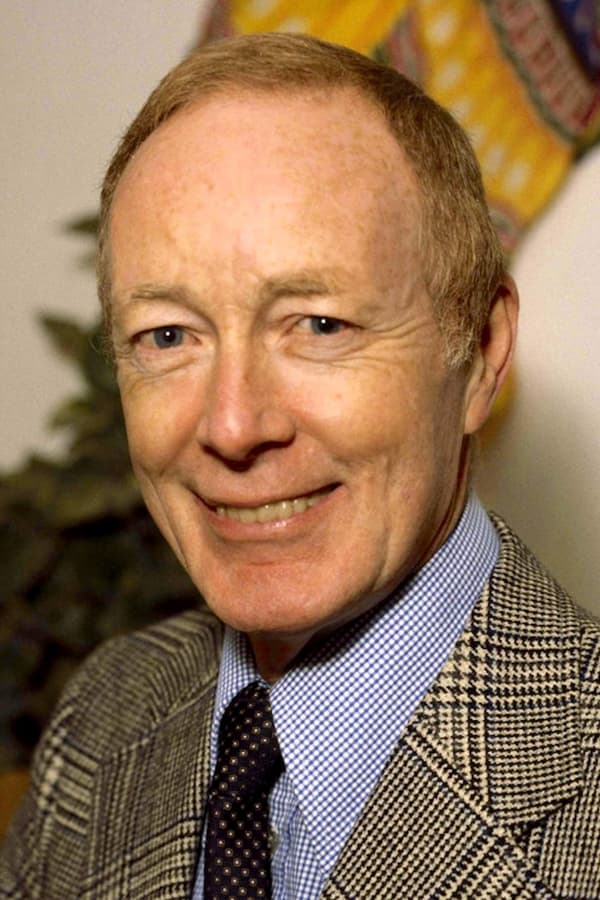
Don Fellows
Self - Actor Testing for Freddy

Jonathan Gordon
Self - Soundman
William Greaves
Self - Director

Susan Anspach
Self - Actress Testing for Alice (uncredited)
Audrey Heningham
Black Lady Clapping Her Hands (uncredited)

Stevan Larner
Self - Cameraman (uncredited)

Terence Macartney-Filgate
Self - Cameraman (uncredited)
Maria Zeheri
Self - Camera Assistant (uncredited)
Robert L. Rosen
Self - Production Manager (as Bob Rosen)

Louise Archambault Greaves
Self - Actress Testing for Alice (uncredited)
It doesn’t offer an absolute answer for the dialectical ethical questions that emerged in search of justice but portrays the characters as living people beyond the identities of victims.
A simple question often sparks intense debate. Incluvie attempts a working definition for the beloved horror genre.
"65" (2023) is the latest Dino flick to try and answer "what else can we do with dinosaurs?"
Dead Poets Society relies on patriarchal tropes such as overbearing fathers, contrived brotherhood, and faux-individuality in order to portray its straight white male characters as oppressed.
Disney has kept its word and allowed a new generation of Black and/or African storytellers to tell their own original stories. The question remains, will the public keep their word?
Spotlighting the legacy of the legendary Raymond Lewis through the love of a devoted daughter.