









The True Confessions of an Invisible Girl
The clever but socially-awkward Tetê joins a new school, and she'll do anything to fit in.
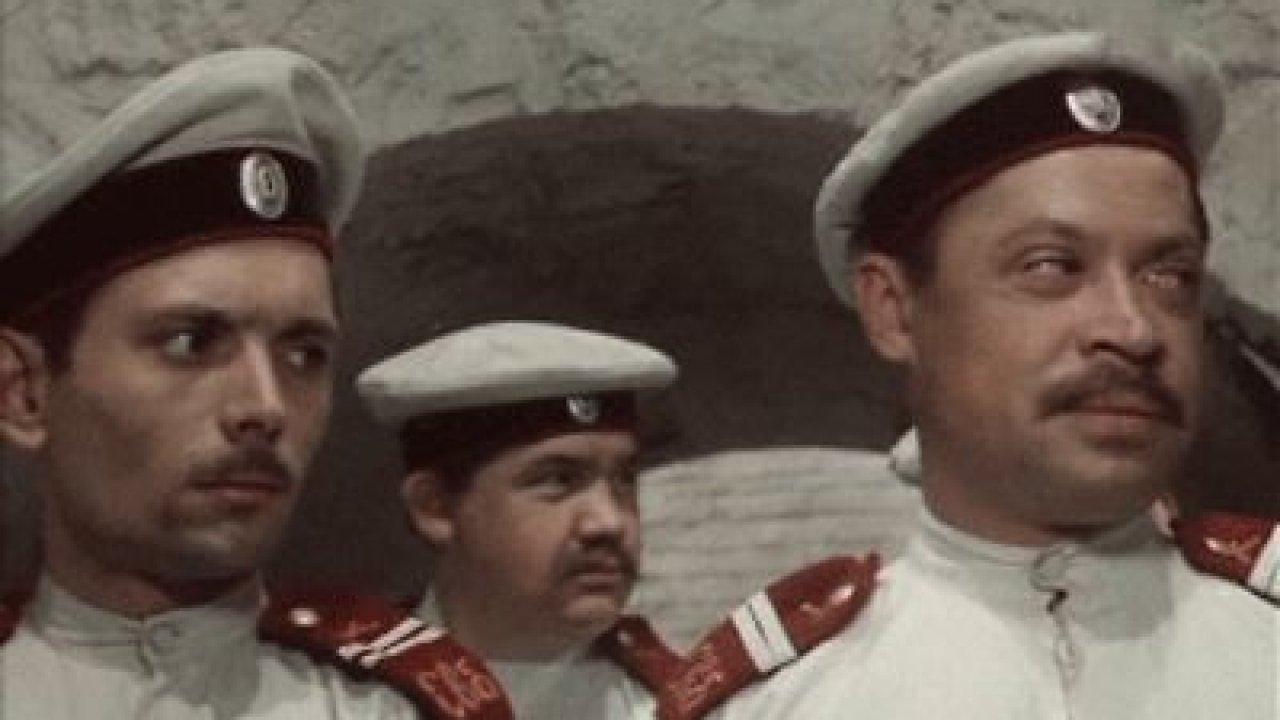



The film is based on history of the Russian Military garrison in Sveaborg (Suomenlinna, near Helsinki) in Finland, which was an autonomous part of Russian Empire. In 1906 Russia had about 12 thousand troops stationed in Sveaborg fortress. The riots were provoked by the Socialist - Revolutionaries who spread influence on the minds of Sveaborg garrison. First acts of un-subordination broke on July 17, 1906, when revolutionary sailors were supported by mine-men. Minemen were arrested and disarmed by the infantry regiment. Gunners decided to release their comrades. The following fight ignited a bloody revolt, that was headed by lieutenants A. Yemelyanov and Y. Kohansky, members of the Lenin's Bolshevik party. A general strike began in Helsinki on the next day. The revolt lasted three days and was crushed by the Baltic Fleet naval bombardment. Over 40 men were executed, hundreds were sentenced to prison.
The clever but socially-awkward Tetê joins a new school, and she'll do anything to fit in.
I’m disappointed in The Woman in Cabin 10, but that’s at least in part because of my love of Ruth Ware’s novel.
Typically in film, characters suffering from mental illness are used as plot devices or exaggerated for comedy. 'The House that Jack Built's representation exceeds in accuracy and realism of OCD.
A historic documentary about the iconic Disney character gives viewers a glimpse into animation.
For the most part, 'Sweet Girl' recycles tired hyper masculine revenge tropes, but a surprise twist in the end turns it into a female-centric revenge film.
When the retelling of the Cinderella fairy tale and a holiday spirit come together, viewers learn about class issues as well as perseverance despite setbacks.