

Racism in A Second Chance: Rivals!
The sequel to the first film, A Second Chance: Rivals! talks about Maddy combating cyberbullying and racism.
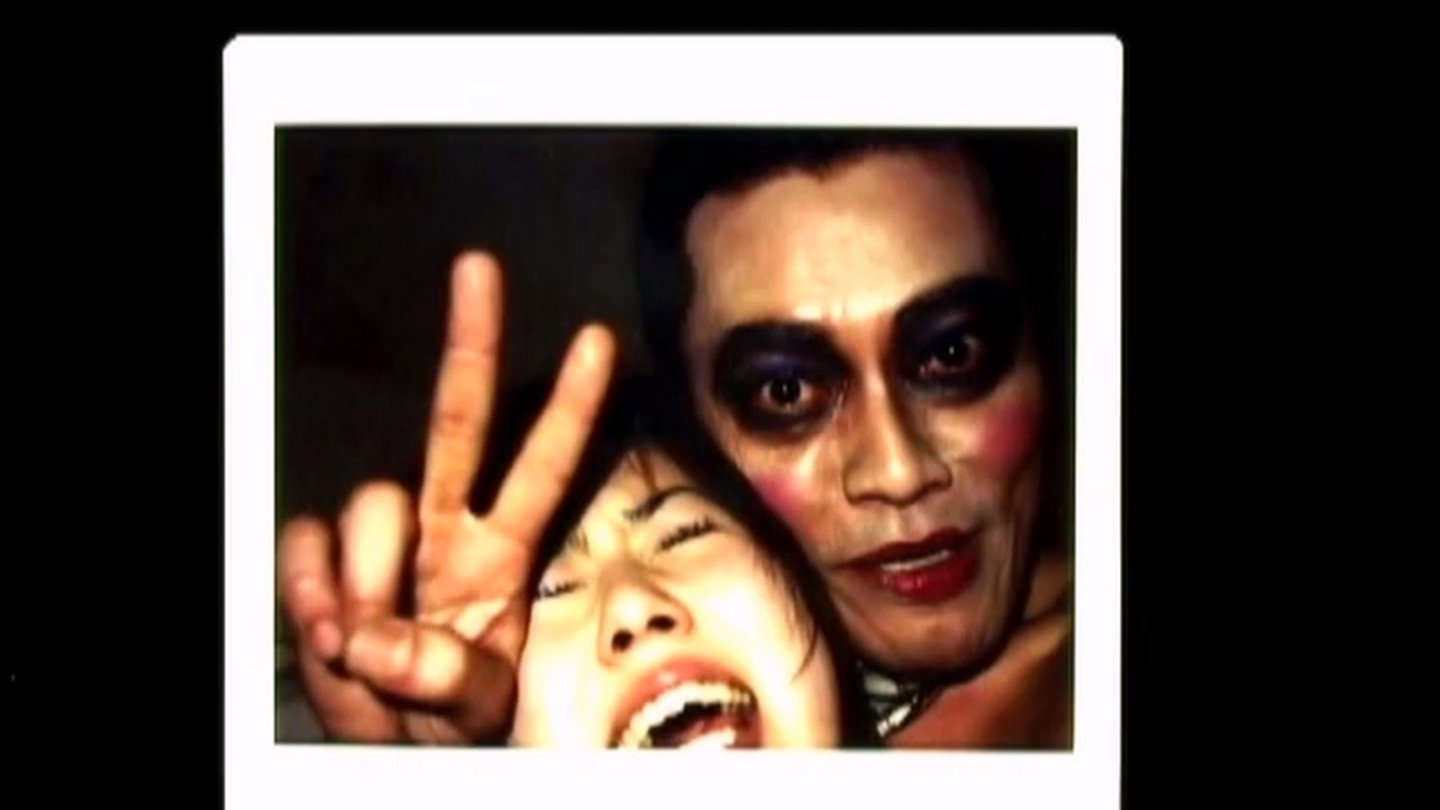



Tokyo’s Valentine Call is a special kind of phone club. Older salarymen pay to wait for calls from teenage girls, discreet meetings are arranged, and handfuls of yen are exchanged for a quick session of enjo kosai, or paid sex with a high school girl. Plenty of girls are doing it—some to make money for fancy, fashionable clothes and accessories, others to set a trap to rob and brutalize the old perverts. But the Valentine Call staff, horny young Ogisu and the vaguely sinister, makeup-coated Mr. Kuni, have a nasty plan of their own. Listening in on the enjo kosai calls, they conspire to trick the girls into giving them free sex. Mr. Kuni even has a twisted concept behind this scheme. He calls it enboku, his campaign to humiliate the teenage girls, drive them away from prostitution and purify Japan.
The sequel to the first film, A Second Chance: Rivals! talks about Maddy combating cyberbullying and racism.
... La huesera haunts her daily life, leaving people to question her viability as a mother, and Valeria’s lack of satisfaction with her life leave her asking similar questions. These misgivings reach their peak after the baby is born, when Valeria, visibly in a state akin to possession, locks her in the fridge when she won’t stop crying through the night
Greta Garbo, a queer actress playing a real-life queer Queen is the best of both worlds.
The characters aren’t likable, the story is predictable and the humor is either disgusting, obnoxious, or uncomfortable. The Wrong Missy is a mess of a film and it’s not really worth your time.
When we hear Korean Cinema, we often think of South Korean Cinema, but what about North Korea? Sure, North Korea has its propaganda moments, but 'Pulgasari' might be its best one yet.
Disney’s first Christmas advert, ‘From Our Family to Yours’ teaches us the magic of the holidays.