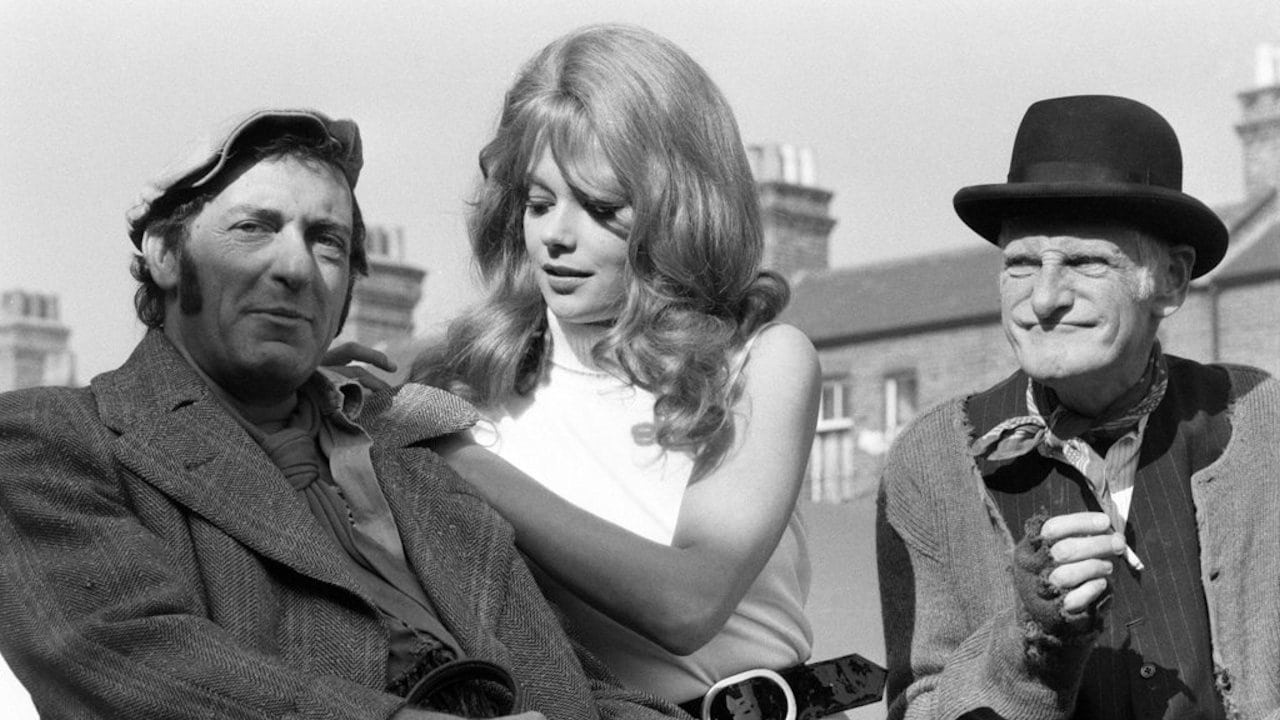
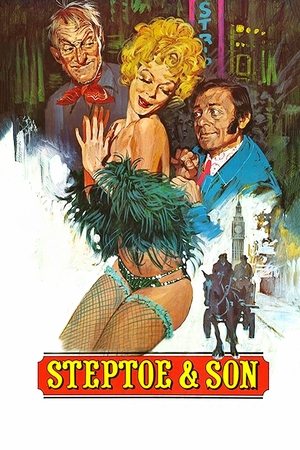



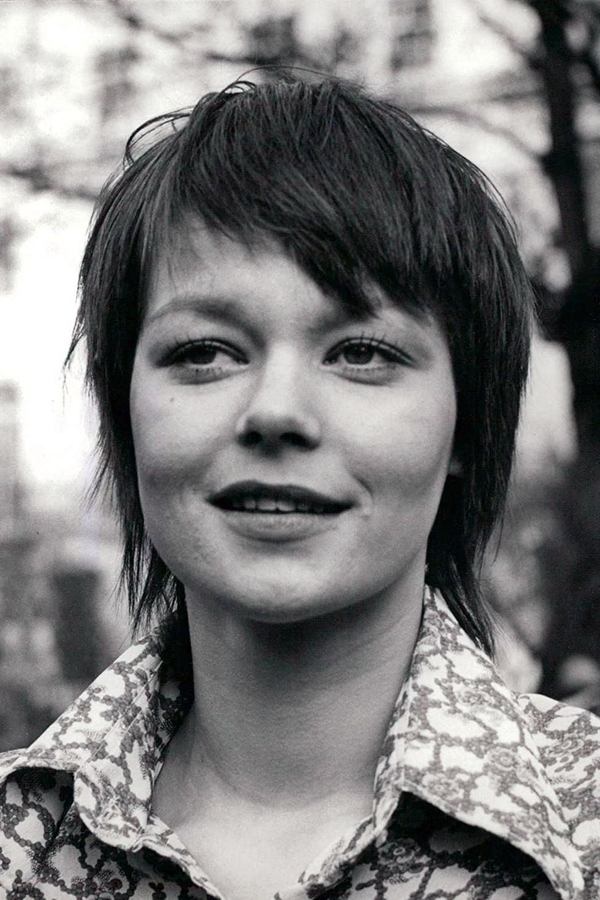
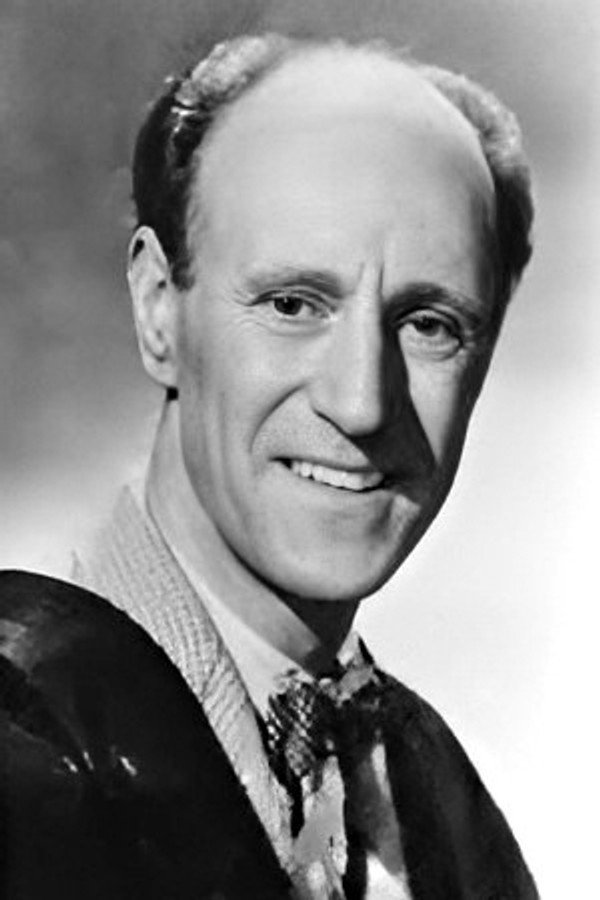
Albert Steptoe and his son Harold are rag-and-bone men, complete with horse and cart to tour the neighbourhood. They also live together at the junk yard. Harold, who likes the bright lights in the West End of London, meets a stripper, marries her and takes her home. Albert is furious and tries every trick he knows to drive the new bride from his household.
With The Father, writer-director Florian Zeller- who wrote and developed the play upon which the film is based- pulls no punches as he confidently makes every effort to put the audience in the mind of someone whose grip on reality has all but vanished. It’s a dazzling testament to Zeller’s abilities as a director as he makes his first transition from stage to film appear as if he’s been working behind a camera his entire career. The dialogue he fashions with co-writer Christopher Hampton, along with the work of production designers Peter Francis and Cathy Featherstone, collectively makes the downward spiral of dementia startlingly tangible, doing so in a way that can be comprehended by everyone except the person it directly affects.
The gentle, emotional nuances of Evan’s coming-of-age story would have been so beneficial to have incorporated into the life of a POC character. Showing a Black, Asian or Latino young man that is afforded the space to be vulnerable, flawed and sensitive while driving a compelling and widely-loved narrative would have been a game changer.
Self expression among teenagers is explored in the live adaptation of Jerry Spinelli's novel of the same name.
The most divisive character in Multiverse of Madness is undoubtedly Wanda Maximoff. Is she good or evil? Is she "unlikeable?" I'm tired of the debate. I love Wanda because she's for us—she's for the women.