
Trans Representation Through Disney’s 'Mulan'
Mulan had to struggle to feel like herself and see herself properly. Some of us have to strive to have our reflection mimic what’s inside. We have to crawl. We have to fight.
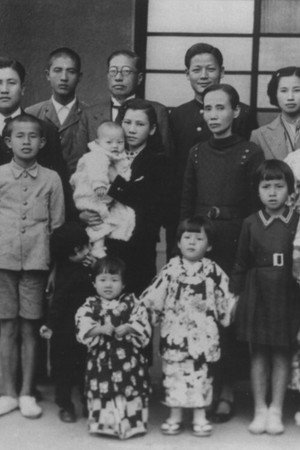


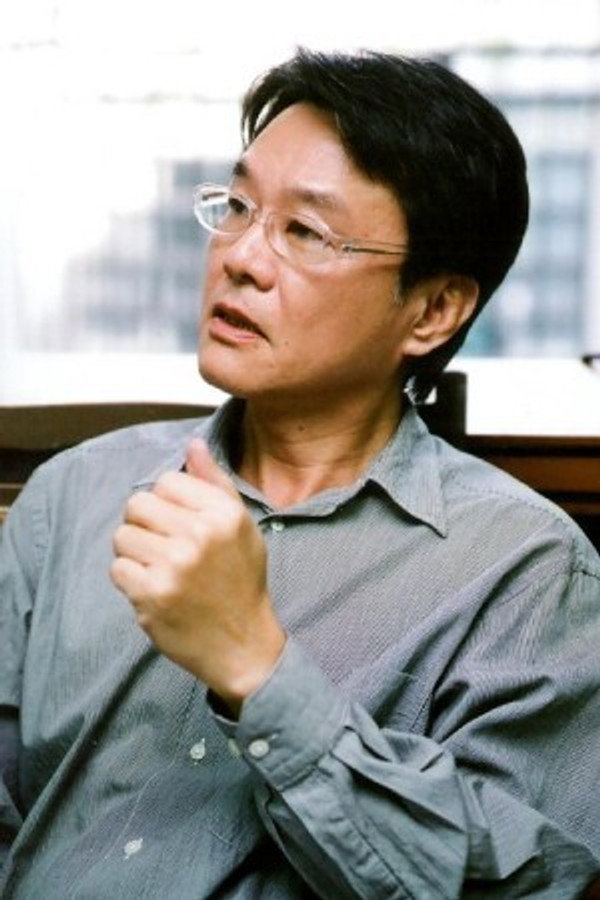
A group of Taiwanese who were born before World War II still insist on writing poetry and haiku in Japanese language. Director HUANG Ming-chuan has been documenting them for 22 years since 1994. Unlike Korea, another previous colony of Japan, Taiwan retains emotional and cultural ties with Japan even after the War. Over 40 years, these poets and writers get together discreetly under the ban of speaking and publishing in Japanese. More than half a century later, despite aging, they remain using Japanese in the final years of their lives. This film gathers memories of local Taiwanese who have been ruled by several colonial powers since the Dutch arrived on the island in late 17th century. And the path to obtain their own voice became a long way struggle, and so as the national identity.
Mulan had to struggle to feel like herself and see herself properly. Some of us have to strive to have our reflection mimic what’s inside. We have to crawl. We have to fight.
Korean culture shines in this Canadian export.
As one of the women said in the film, friendship in your teens is “as important as any lover” and it’s clear they lived that philosophy throughout their early adult lives as well.
With such a raw look at the 15th century, it seems that Disney was really trying to step outside of its element with this motion picture.
Films and TV series often tend to misrepresent or not acknowledge bisexual characters, but recent trends show that bi-erasure is now under deserved scrutiny. So, I’m genuinely happy about the direction bi-representation seems to be taking.
This 2016 winner of an Ophir Award for Best Film focuses on the forbidden romance of a young, Bedouin woman and the ramifications it has for her family, her identity, and her culture.