






We Are Lady Parts Is The Muslim Representation To Keep Your Eyes On
Presenting a bold and unapologetic narrative focused on strong Muslim female characters, the show beautifully incorporates punk rock as a feminist movement in their lives.
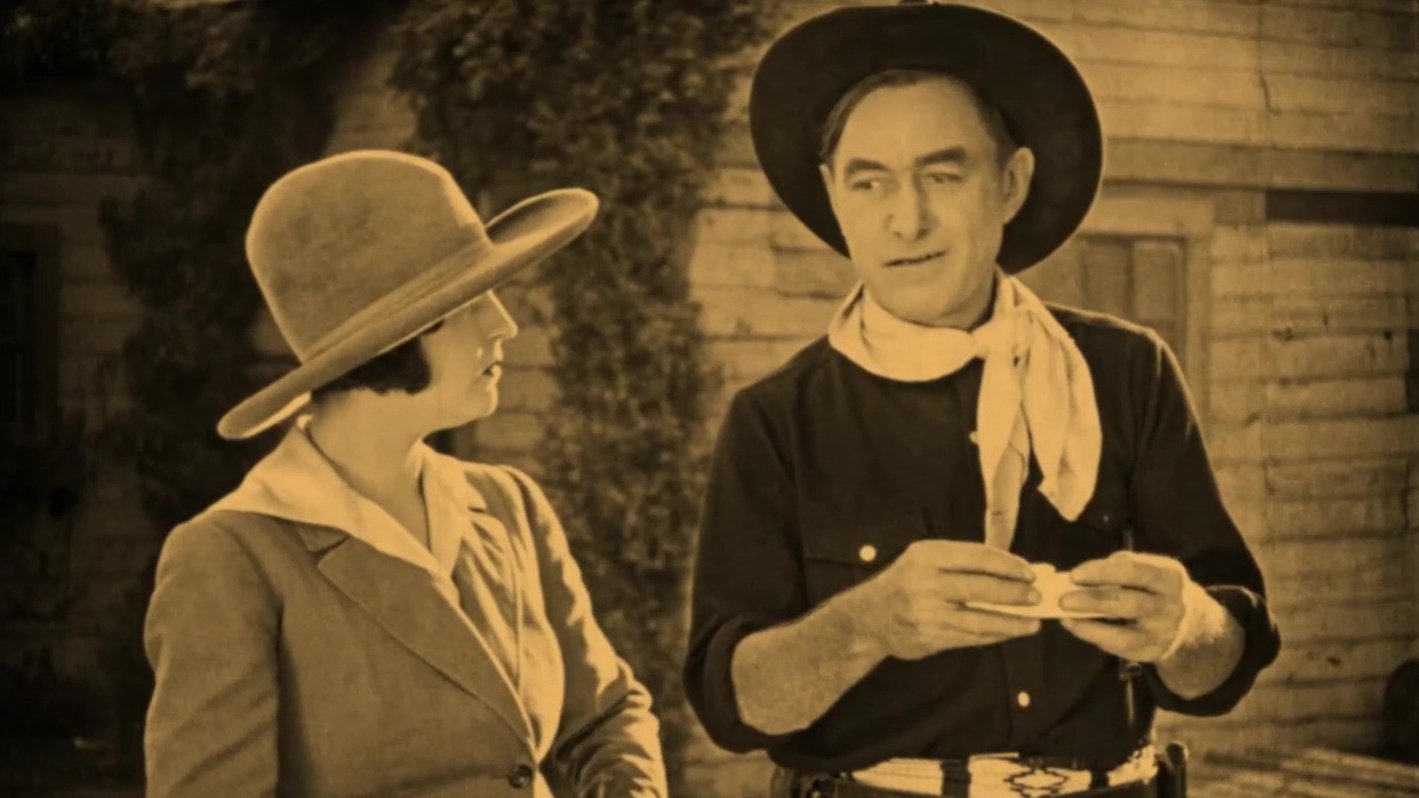
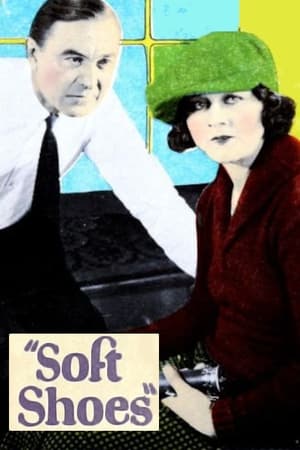


Sheriff Pat Halahan comes into an inheritance and travels to San Francisco to collect. Faith O’Day, a cat burglar armed with pistol and flashlight breaks into his hotel room and demands that Halahan cough up his dough. Halahan sees her threat and raises her a one-dollar bet that he can return a brooch she stole earlier the same evening before its loss is discovered. Pulling off his boots to slip on his own “soft shoes,” Halahan sets off to do a little second-story work, not realizing the trouble he’s in for.
Presenting a bold and unapologetic narrative focused on strong Muslim female characters, the show beautifully incorporates punk rock as a feminist movement in their lives.
America is the crux of the storyline: she is the only person in existence with the power to jump between universes. As central as America is to the Multiverse of Madness story, she somehow didn’t get that much to do.
The plot could’ve really been interesting if the elements of lycanthropy was integrated with perhaps the struggle of identity of being LGBTQ+. It's an experience for so many that as they’re starting to realizing their true selves, they feel like a monster, especially if they come from unsupportive homes or communities. Instead, the horror and transformation elements seem thrown in without contemplation of how this could deepen the narrative.
This list was made with the intention of celebrating comedic craft and a love of seeing more women of colour and newcomers on the scene.
With The Father, writer-director Florian Zeller- who wrote and developed the play upon which the film is based- pulls no punches as he confidently makes every effort to put the audience in the mind of someone whose grip on reality has all but vanished. It’s a dazzling testament to Zeller’s abilities as a director as he makes his first transition from stage to film appear as if he’s been working behind a camera his entire career. The dialogue he fashions with co-writer Christopher Hampton, along with the work of production designers Peter Francis and Cathy Featherstone, collectively makes the downward spiral of dementia startlingly tangible, doing so in a way that can be comprehended by everyone except the person it directly affects.