



'Neon Gravity | Metaverse 7' - MiamisFF Review
Neon Gravity is an assassin who realizes that her target, as well as her current reality, are not what they seem. This short film is a futuristic story that takes place in Downtown Miami.
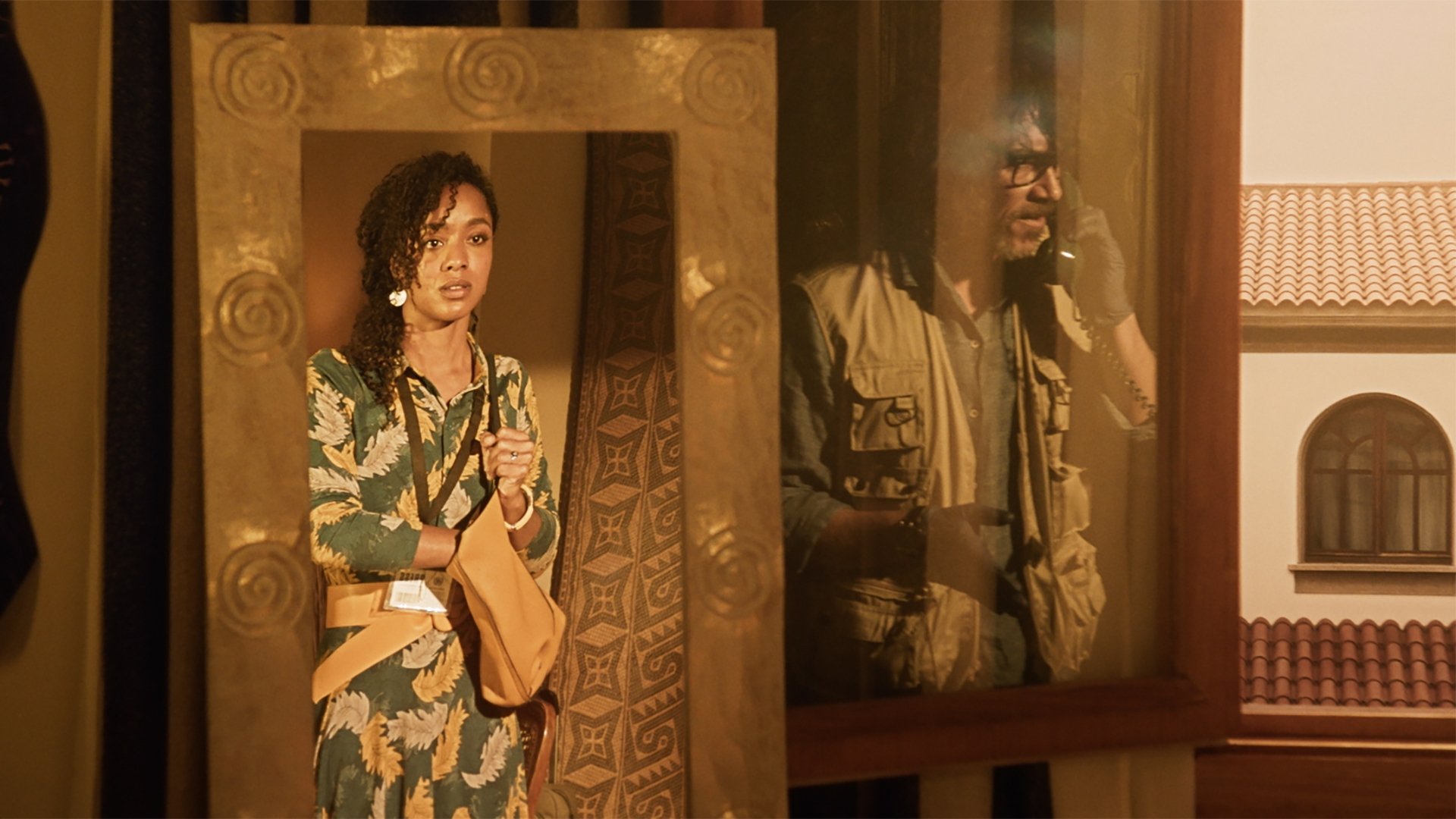



Frederick Salomon, a war photojournalist who became worldwide famous for capturing the image of a girl flying through the air as consequence of an explosion, returns to the country where he took the celebrated picture twenty years before. He is back to receive an award, as many consider him an essential piece in the recent peace efforts in the troubled country. But a local journalist called Hanna doesn’t agree, and wants to kill him for a reason only Salomon knows.
Neon Gravity is an assassin who realizes that her target, as well as her current reality, are not what they seem. This short film is a futuristic story that takes place in Downtown Miami.
'Blonde' commits a relentless assault on the autonomy of Marilyn Monroe, reducing the icon to nothing more than a victim of the director's whims.
When you think of the horror genre, the LGBTQ+ community is probably one of the last things you think of. However, horror is much more queer-coded than you may think.
A young woman who dislikes dogs changes forever when a beloved pet comes into her life in this heartwarming story for animal lovers.
Friendships are tested when two girls have a crush on the popular boy at school.
This is not a story of oppression but a story of liberation.