
Once Upon a Time in (White) Hollywood
Tarantino's alternative history of the 1960's uncritically repeats the era's sexist and racist stereotypes.

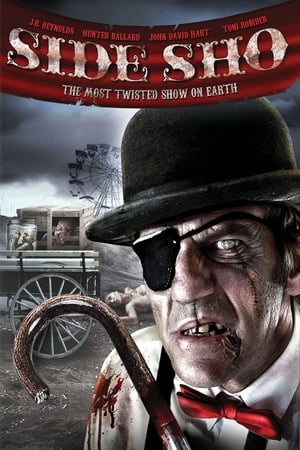


A suburban family traveling the backroads of the southeast in search of historic roadside attractions finds more than they bargained for when they happen upon a rustic sideshow museum that houses a dark secret.
Tarantino's alternative history of the 1960's uncritically repeats the era's sexist and racist stereotypes.
At 2:17 a.m., every child in a third-grade class wakes up, leaves their home, and disappears into the darkness—except one. The next day, teacher Justine Gandy discovers that Alex Lily is the only student left, while the rest have vanished without a trace. Did Justine have something to do with it, or is a far more sinister force stalking the town, targeting not just children, but anyone in its path?
Not every film can make a shopping mall feel both magical and menacing, but Forbidden Fruits challenges that.
I was able to watch the gleefully mesmerizing Disney remake that was Robert Zemeckis’ Pinocchio. I was enthralled by Zemeckis’ iteration.
Netflix takes some liberties in its portrayal of Madame CJ Walker, a trailblazing Black entrepreneur.
Intergenerational friendships and community can be so powerful, and this was a great example.