









I Watched Amazon's Girlboss 'Cinderella' So You Don't Have To
The newest in a long line of Cinderella adaptations, Amazon’s Cinderella (2021) prizes girlbossification above the very story it tries to adapt.
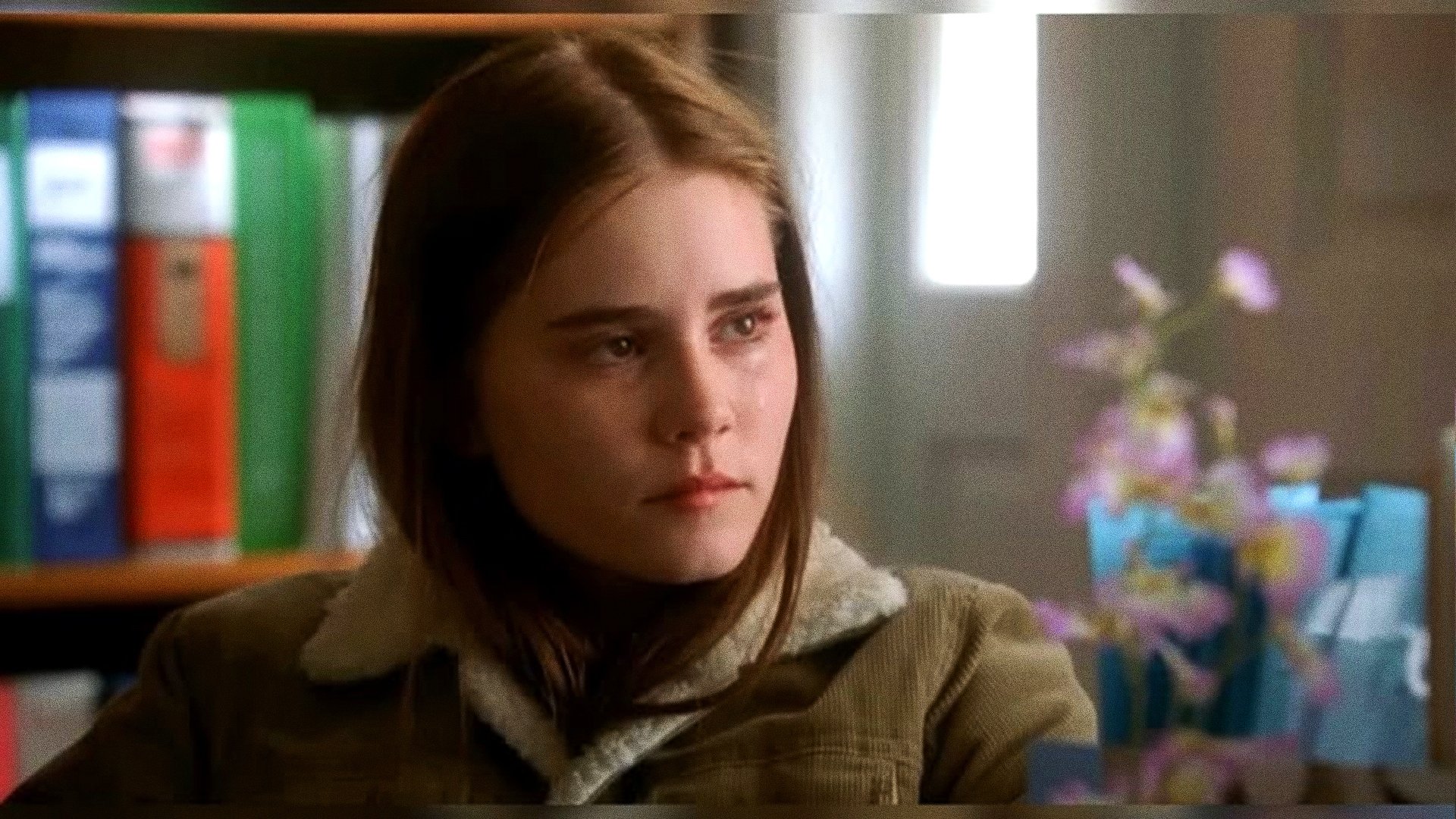
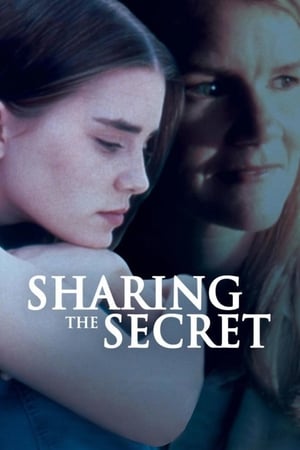


A teenage girl, who feels she must always seem happy for her parents and friends, secretly binges and purges.
The newest in a long line of Cinderella adaptations, Amazon’s Cinderella (2021) prizes girlbossification above the very story it tries to adapt.
This is a list of seven films that explore police brutality and systemic racism made by Black filmmakers. These are important movies to watch and to take in, as — through the power of cinema — they showcase what it feels like to be a Black person living in a country that is internally designed to be against you.
While Peter’s heroics might have been a bit unrealistic at times due to his lack of experience, I will always support the civilian taking down the establishment.
Disney's live-action remake is vibrant and beautiful, with updated music and classic enthusiasm, but it fails to push the envelope and provide nuance for Ursula.
A refreshing twist is that all the kids’ powers are…kind of useless. There’s a kid who can only move in slow motion, a kid who has every power in the world but can only use them randomly, and our main character Missy who has no powers at all. The thesis of the film seems to be that it doesn’t matter what kind of powers you have, its the way you use them, which is good for the warm and fuzzies.
An animated reboot based on the book of the same name, with differences from the live-action movie of the same name.