

What We Do in the Shadows (of Our Closet Walls)
There’s enough evidence to insinuate that What We Do in the Shadows is intentionally queer-coded.
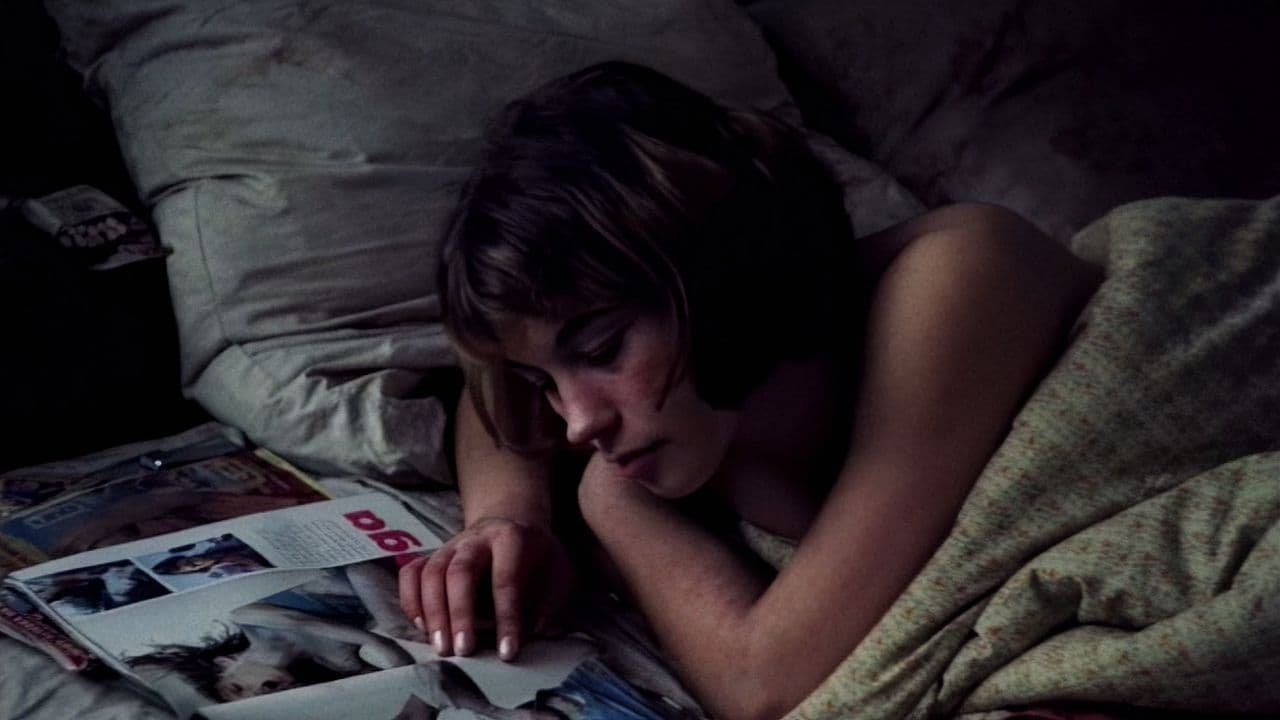
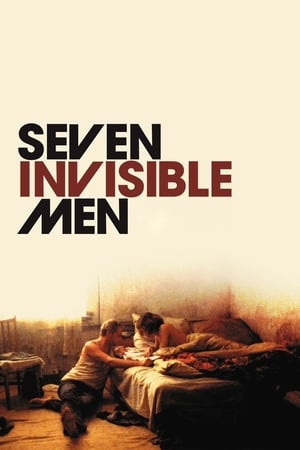


A group of drop-outs, losers and criminals are travelling in a stolen Mercedes seemingly aimlessly along numerous derelict houses and impassable roads to eventually end up on an old decaying state farm in Crimea, the southern tip of the former Soviet Union, where the mother, wife and daughter of one of them live. The men kill time with smoking, drinking and staring in front of them, but an undercurrent tension is brewing. On the last night they have a party that is equally destructive as their life
There’s enough evidence to insinuate that What We Do in the Shadows is intentionally queer-coded.
In 1971, when discussions about how to integrate their school system break down, the community of Durham, North Carolina agrees to bring in Bill Riddick(Babou Ceesay) to conduct a series of summits(charrettes) to help them move forward with desegregation.
The most divisive character in Multiverse of Madness is undoubtedly Wanda Maximoff. Is she good or evil? Is she "unlikeable?" I'm tired of the debate. I love Wanda because she's for us—she's for the women.
In Amazon’s new shark flick, The Devil’s Mouth, terrible tourists finally get their comeuppance while two estranged best friends must overcome their petty squabbles to survive as the rest of their party gets chomped one by one. While it’s by no means an Oscar winner, The Devil’s Mouth is good old fashioned shark week carnage with a tourist critical twist, perfect with popcorn, a friend, and a healthy does of schadenfreude.
Ultimately, Wicked is a story about the cost of being othered, the pain of being misnamed, and the quiet revolution of standing in your truth.
The film seems like an extreme interpretation of the conspiracy theorists that exist in real life. And then, there’s the twist.