




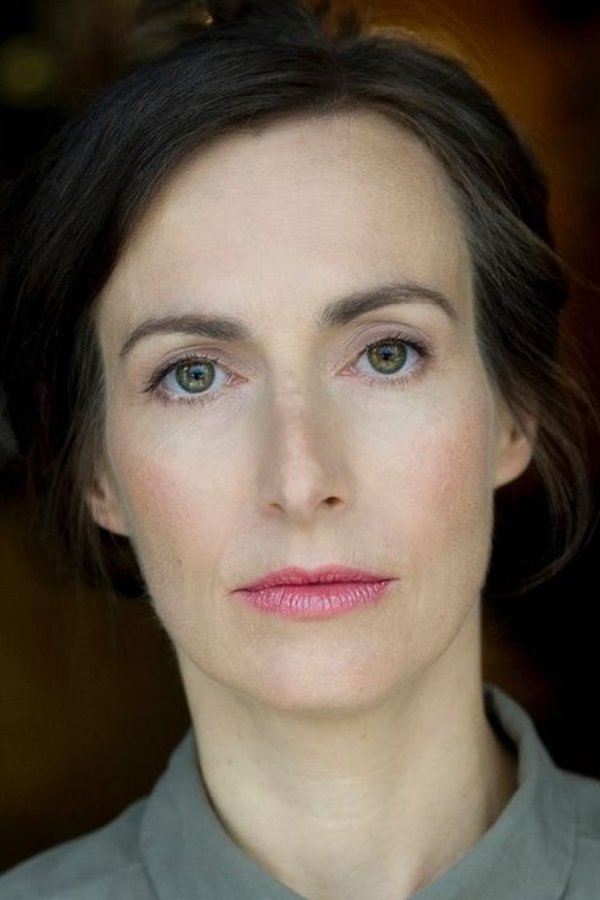




“Uncle Frank”: Acceptance and Queer Representation
Growing up with a lot of siblings, young Beth felt ignored her immediate family. Uncle Frank made her feel seen, heard, and accepted.
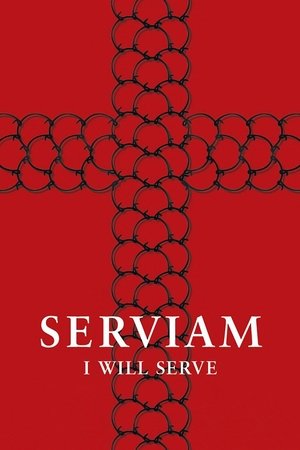


An all-girl Catholic boarding school near Vienna for the wealthy Austrian elite and their children. The school is thriving, but faith is declining and the upper floors are deserted. The head of the institution, a young energetic nun, fights with ardor against this decline. Martha, 12, one of the nun’s favorite pupils, is a devoted girl who wishes to expiate the sins of the world. Encouraged by the nun, she is given a penance belt and taken to the abandoned upper floor.
Growing up with a lot of siblings, young Beth felt ignored her immediate family. Uncle Frank made her feel seen, heard, and accepted.
Two young girls meet in the same neighborhood unexpectedly as they embark on a new adventure using their imaginations as this movie brings strong representation among women.
For a troubled teen, Will discovers what is important in life when he attends a summer camp: the people who care about his well being.
Our protagonists perform as the opposite gender while still preserving the parts of their personalities that makes themselves who they are.
“The most disrespected person in America is the Black Woman/the most unprotected person in America is the Black Woman,” Director Spivey Jr quotes. The quotes are absolutely true. Misogynoir is a devastating social ill that is not given the weight it is due.
Chickenhare and the Hamster of Darkness explores true identity through exploration.