
“Not My Dog,” But It Should Be
Not only can viewing Not My Dog inspire people to adopt a dog that may be facing tremendous odds, but even that simple action of watching has a social effect.
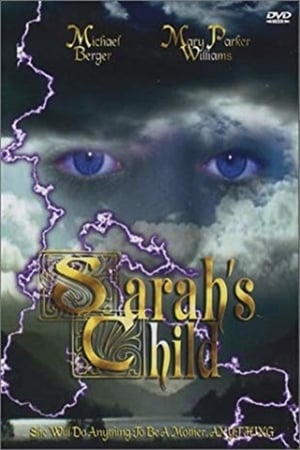


Sarah LaMere had loved Michael Rome Matthews for a long time. She witnessed him marry her best friend, only to lose her along with two sons in an accident. Now that they are together at last she is devastated to learn that she can never have children. While Rome tries to accept this, Sarah believes motherhood is her only path to happiness and security with the man she loves and she becomes increasingly unbalanced. Seemingly out of nowhere children's clothes and toys appear in the house and then a strange young girl named Melissa appears, whom Sarah treats as her own child. When their landlady is horribly murdered after questioning Melissa, Rome fears the line separating reality and fantasy has been crossed.
Not only can viewing Not My Dog inspire people to adopt a dog that may be facing tremendous odds, but even that simple action of watching has a social effect.
The Sandman features a plethora of LGBTQ+ characters and is openly expressive about it!
Facing the world with our fair share of uncertainties and/or apprehensions, many of which, sadly, may be well-founded, is nothing to sneeze at. Influenced and buffeted by the constant barrage of social media, fake news, and general upheaval present in our contemporary reality, what IS real and what's not becomes a blur.
The definition of the word foul is “offensive to the senses,” which is a pretty good summation of the new Disney+ film, Artemis Fowl
Joel Coen has gone solo to create perhaps the greatest version of Shakespeare's 'Macbeth' since Shakespeare himself.